Are We Fighting a Virus or an Infodemic?
Navigating the Infodemic Tidal Wave in a World Already Gripped by COVID-19
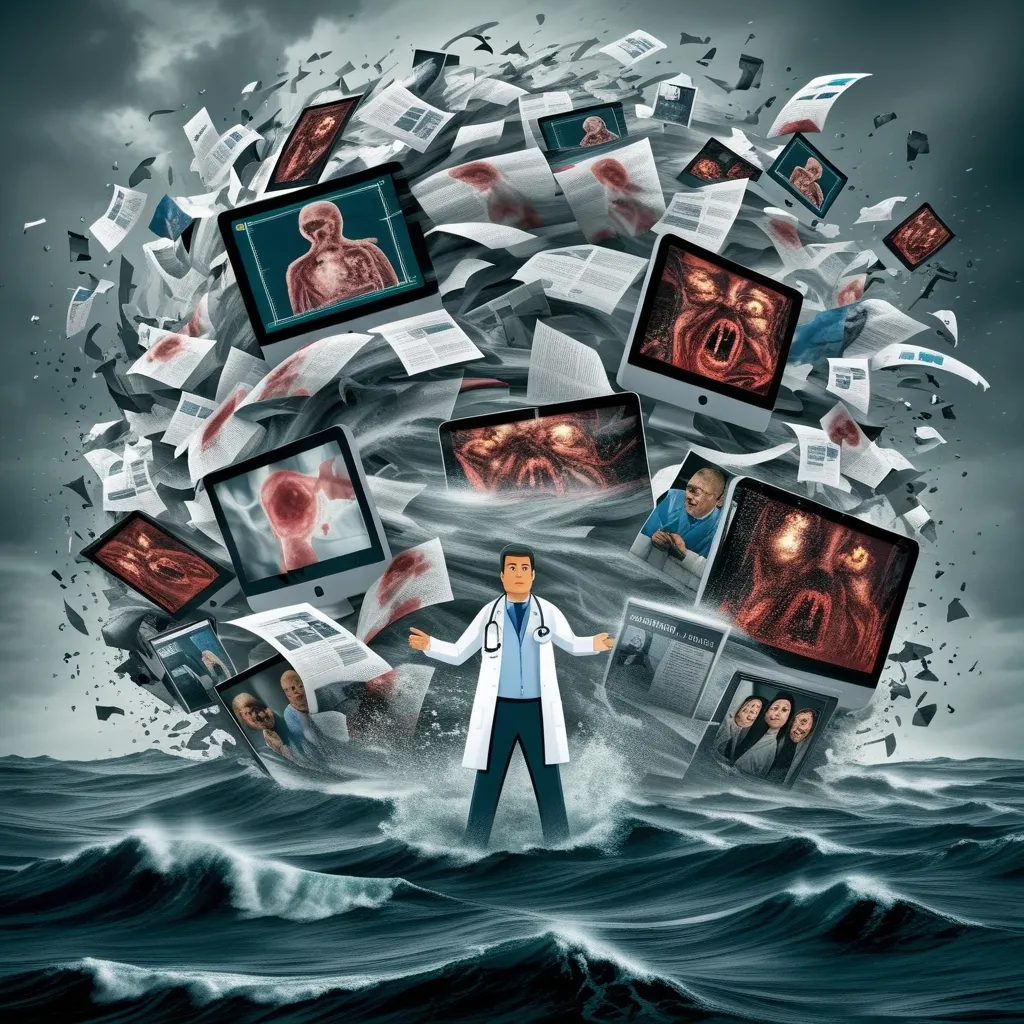
The COVID-19 pandemic has been a ground-shaking event, but what often goes unnoticed is the equally destructive wave of misinformation swirling around it. We aren’t just battling a virus; we’re contending with an “infodemic”—a relentless flow of false, misleading, and downright harmful information. This chaos has taken over our news feeds, social media, and everyday conversations, leading to dangerous misunderstandings and actions.
The Explosion of Misinformation
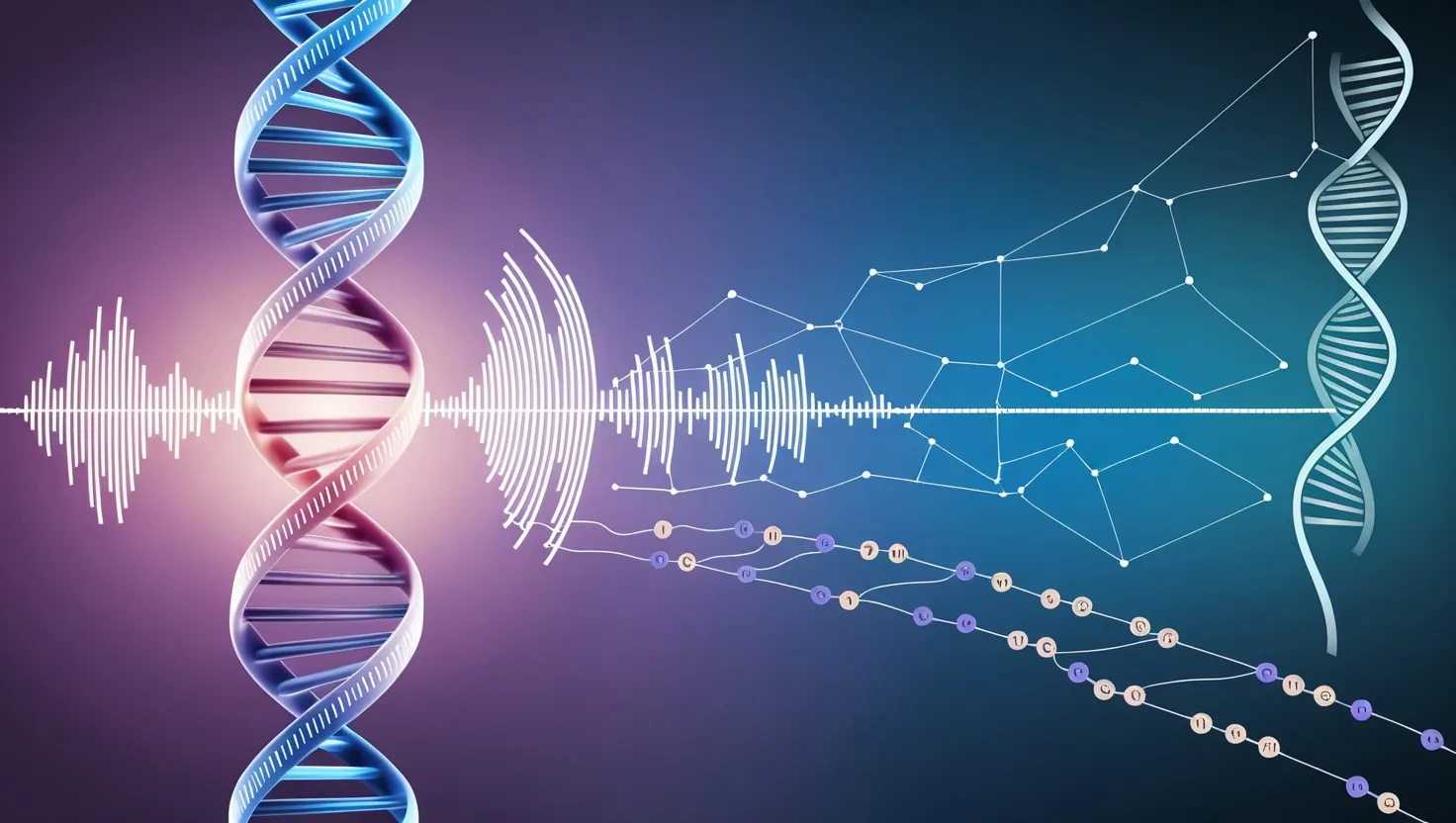
From day one, misinformation was an unwelcome guest in our pandemic party. As the virus made its unwelcome global tour, a flood of rumors, myths, and conspiracy theories tagged along. Completely baseless claims—like face masks causing CO2 buildup or vaccines altering your DNA—started small but snowballed into massive waves of confusion and fear.
Decoding Misinformation
Misleading information isn’t a one-size-fits-all thing; it comes in two flavors: disinformation and misinformation. Disinformation is when people spread lies intentionally, usually aiming to cause some sort of trouble or hysteria. Think scapegoating entire racial groups or accusing governments of bioweapon conspiracies. On the flip side, misinformation happens when folks pass along incorrect info without realizing it; they mean well but get things totally wrong.
How It Spreads
Social media has basically been gasoline on the misinformation fire. Platforms like Facebook, Twitter, and Instagram have become breeding grounds for all sorts of off-the-wall claims about COVID-19 cures, treatments, and prevention hacks. Ever hear about drinking water every 15 minutes to ward off the virus or using specific teas and essential oils for a magical cure? That’s the sort of garbage that’s making rounds, tricking people into dangerous behaviors.
Impact on Public Health
The fallout from all this misinformation is huge. It fuels confusion, ramps up stigma, and fans the flames of discrimination, making our fight against the virus that much harder. Outlandish theories—like the virus being a bioweapon or related to 5G towers—haven’t just spread fear; they’ve seriously undermined trust in healthcare authorities and scientific research. At times when trust is critical, this kind of erosion is downright scary.
Why We Fall for It
It’s human nature to crave answers, especially in the middle of a crisis as unnerving as this pandemic. Uncertainty and fear create the perfect breeding ground for false narratives. People latch on to things that provide a semblance of control, even if they’re completely made up, like some miracle cure or grand conspiracy. It’s a deeply ingrained psychological quirk that makes factual information easy to dismiss if it’s scary or inconvenient.
The Media’s Role
News media and influential people have also had a hand, whether they realize it or not. Unverified claims get shared by celebrities and politicians, racking up massive engagement and causing widespread misinformation. These top-down sources of false info are particularly dangerous because they come from people who many look up to or trust automatically due to their social status.
Scientific Hoaxes
Let’s talk “scientific” misinformation. Fake scientific claims, or badly interpreted data, have also been a problem. Real but unverified research—often from non-peer-reviewed sources—gets twisted and spread around, fueling all sorts of nonsense. From hasty science to outright fabrications, these hoaxes further muddy the waters, making it all the more difficult for people to find solid ground.
The Fallout
What’s the cost of all this misinformation? It’s huge. People end up distrusting proven treatments and avoiding vaccines because they’ve read or heard false claims. This bad info has also deepened social divides and fragmented political landscapes, as different groups cling to conflicting beliefs about the virus. And the worst part is the erosion of trust in vital institutions like health authorities and news organizations, complicating efforts to enforce public health measures.
Fighting the Infodemic
To tackle the infodemic, it’s essential to push out accurate, evidence-based info aggressively. Collaborations between health authorities and media outlets are crucial to debunk false claims and spread the right information. Teaching media literacy can also help folks figure out what’s real and what’s nonsense. Moreover, social media platforms need to step it up; they should enforce stricter policies and ramp up fact-checking to curb the spread of bad info.
Building Trust and Policies
For healthcare policies to make a meaningful impact, public trust is vital. Transparent, consistent, and honest communication from health authorities helps in building this trust. When people feel respected and informed, they are more likely to stick to the guidelines and measures in place to keep everyone safe.
Wrapping Up
The COVID-19 pandemic has shed light on just how crucial accurate information is during health crises. Misinformation, whether it’s intentional disinformation or innocent misunderstanding, can have significant, damaging consequences. By knowing more about the different types and sources of misinformation and the psychology behind it, we’re better equipped to face it head-on. Moving forward, fostering a culture of reliable information and promoting media literacy can help safeguard public health, maintaining trust and ensuring that facts, not fears, guide us through.