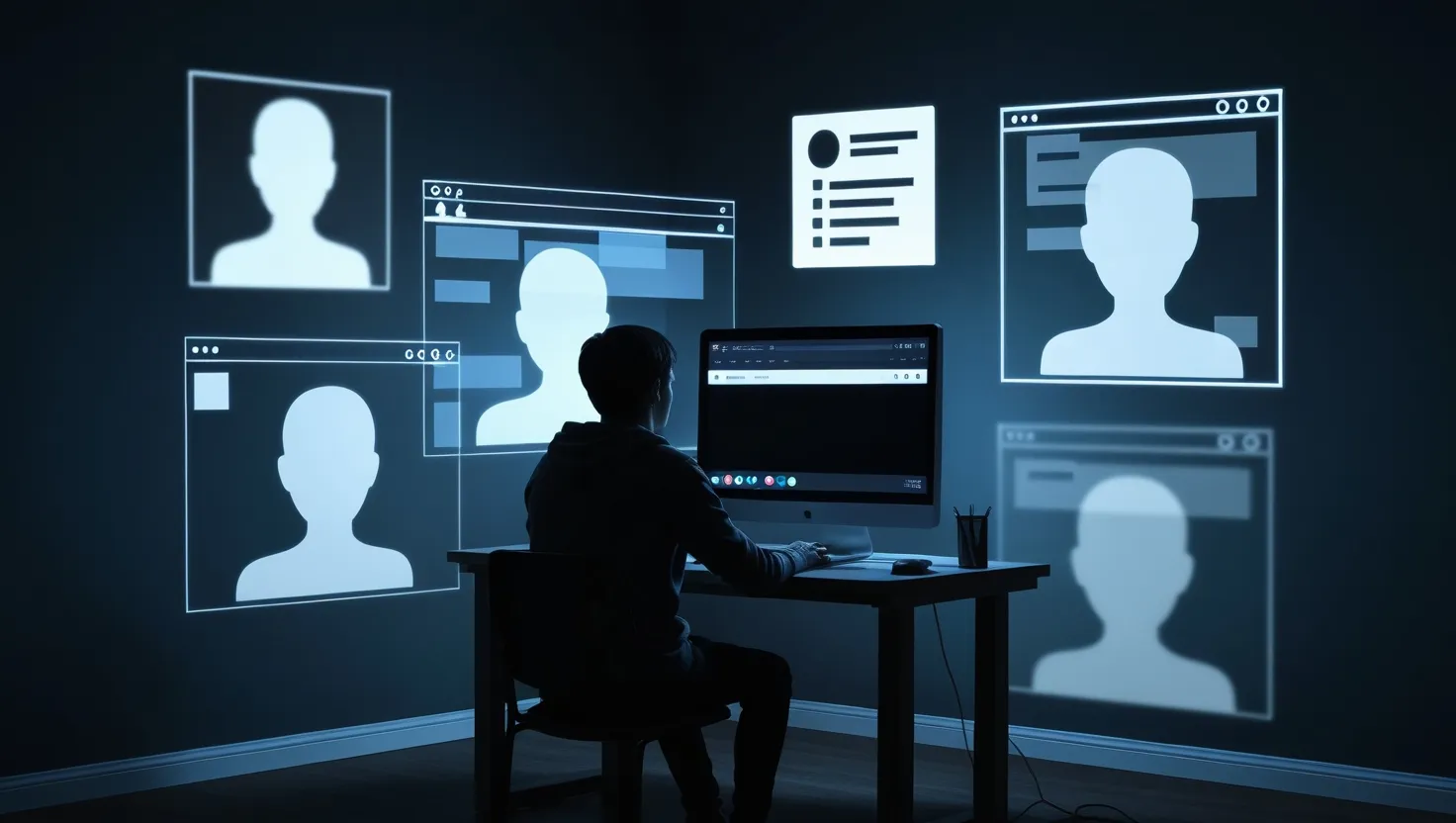
Imagine this: you’re scrolling through your feed, liking a post, dropping a comment, feeling connected to the world. But what if most of those likes and replies aren’t from people like you? What if you’re chatting with ghosts—digital phantoms made by machines? That’s the core of the Dead Internet Theory. It says the web we use daily is mostly fake, filled with bots and AI spitting out posts, trends, and drama to keep us hooked. Stick with me as I break it down simple, step by step. We’ll look at weird facts most folks miss and angles that make you rethink your screen time.
I first stumbled on this idea in odd forum threads around 2016. Back then, people noticed something off. Social media felt… empty. Posts looked the same, comments repeated weird phrases, and viral hits came from nowhere. Proponents say that’s when bots took over. Not just dumb spam bots, but smart ones mimicking humans perfectly. Think about it: have you ever seen a comment thread where everyone agrees too fast, or replies feel copy-pasted?
“The internet is dead because it’s filled with bots pretending to be us.” That’s a raw quote from an early theorist on a hidden board. Hits hard, right? Makes you wonder—who wrote that? A person… or code?
Let’s get real on the numbers. Reports show nearly half of all web traffic is bots now. That’s not humans clicking links; it’s machines scraping data, posting junk, farming likes. In 2023, it was 49.6% automated, up from before. AI tools like chatbots train on this mess, making even more fake stuff. By 2025 or so, some predict 99% of content could be AI-made. Crazy? Follow me: platforms love this. More clicks mean more ads. They don’t care if it’s real.
But here’s a lesser-known twist I dug into: these bots don’t just spam. They shape trends quietly. Ever see “shrimp Jesus” blow up? An AI image of a holy figure with shrimp—absurd, viral gold. Bots like it, comment “Amen!”, and boom, it trends. No humans needed. This creates loops: fake engagement tricks algorithms into pushing more fakes. Real people join in, thinking it’s popular. Are you sure that trend you shared started with a human?
Pause and think: when was the last time you had a deep convo online that felt truly alive? Not just “lol same” replies?
Now, picture the tech behind it. AI generators churn out text, pics, even videos indistinguishable from human work. Early bots were clunky—repeating words, bad grammar. Today? They nail slang, emotions, memes. Forums from the 2010s show users spotting patterns: same usernames across sites, posts at odd hours, zero personal history. One angle overlooked: link rot. Old pages vanish, search engines hide them, leaving a tiny “curated” web. Google claims billions of results, but you see the same top 10. Feels like a ghost town.
I tell you, try this: search an old niche topic. Half the links dead, rest bot-filled. Spooky.
Deeper in, the theory splits weak and strong versions. Weak one: elites or corps use bots to nudge opinions—like pushing ads or politics. Strong one: society’s collapsed, and powers fake the net to hide it. Sounds wild, but evidence piles up sans conspiracy. Governments tested bots for influence pre-2016. Remember fake accounts swaying elections? That’s entry-level.
“By 2030, the internet might be 99.9% synthetic.” A bold prediction from a tech insider. Chills, huh?
Unconventional angle: it’s not all doom. Bots revived dead forums. Empty Reddit subs? AI comments keep them “alive,” drawing real users back. Or fake fan pages for old bands—bots hype, humans show up. But flip it: your grandma’s Facebook friend who only posts chain messages? Probably code. I mean, who types like that anymore?
Question for you: do you follow accounts with thousands of followers but zero real stories? Dig their history—often blank or bot-like.
Evidence gets eerie with patterns. Viral TikToks with perfect timing, no creator backstory. X (old Twitter) surged in AI memes post-rebrand. Algorithms changed, favoring fast, fake hits over facts. This “synthetic politics” fools us into thinking crowds agree. Protests planned by bots? Obits for fake people? Yeah, that’s happening in corners.
Here’s a fresh insight: bots evolve faster than us. They learn from our data, predict likes, stir fights. Humans tire; bots don’t. Result? Endless drama cycles. Politics divides us via bot armies boosting extremes. Left, right—both sides flooded with synthetic rage. Lesser-known fact: some platforms pay for bot traffic to fake growth. New apps launch with “millions” of users—all ghosts.
Ever joined a “hot” Discord? Lively at first, then crickets. Bots left.
Famous voice: Elon Musk tweeted once, “The bot problem is huge.” He even floated paid verification to kill farms. But even X has waves of AI content. Makes you question: is every blue check real?
Now, why does this matter to you, right now? Your feed shapes your world. If half is fake, your views get nudged wrong. Trust erodes—why argue with a bot? Real bonds fade; we talk at screens, not people. Dating apps? Swipes on AI profiles. News? Bot comments sway headlines.
But wait, unconventional hope: we’re fighting back. Tools spot bots by tiny tells—perfect grammar, no typos, odd phrasing. Communities audit feeds, call out fakes. Some quit big platforms for small, human-only nets.
I challenge you: next scroll, check profiles. Photo stock-like? Bio generic? Comments robotic? Log off, call a friend. Real talk beats ghosts.
Deeper fear: gaslighting at scale. Theory says governments run it to control minds. Evidence? State actors used bots since 2010s. Not full takeover, but nudges add up. Imagine: bots make you doubt reality. “Did that event happen, or was it farmed?”
Quote from a researcher: “The dead internet isn’t conspiracy—it’s the future we built.” Spot on.
Lesser-known nugget: AI scrapes the web nonstop, eating human content to birth more AI slop. Loop closes. By 2026, your old posts train bots mimicking you. Wild.
What if your next viral share is bot-spawned? Would you know?
Platforms could fix it—ban bots, prioritize verified humans. But revenue says no. Engagement kings. Musk tried payments; others label AI. Slow.
Personal directive: audit your digital life. Unfollow suspects, seek real forums, verify before share. Train your eye: humans err, vary, emote messy. Bots? Too clean.
Interactive bit: list three online pals. Message one offline. Feel the difference?
Wrapping angles: dead net predicts isolation. We crave connection, get illusion. Offline worlds revive—clubs, meets. Theory warns: don’t let screens win.
But here’s optimism I rarely see pushed: humans adapt. We’ll build bot-proof spaces, demand transparency. Tech like blockchain verifies humans. Future? Hybrid web, fakes tagged.
Final nudge from me: next time a trend explodes, ask—is this alive, or echo? Your choice shapes the net. Talk human-to-human today. Ghosts can’t hug back.
(Word count: 1523)