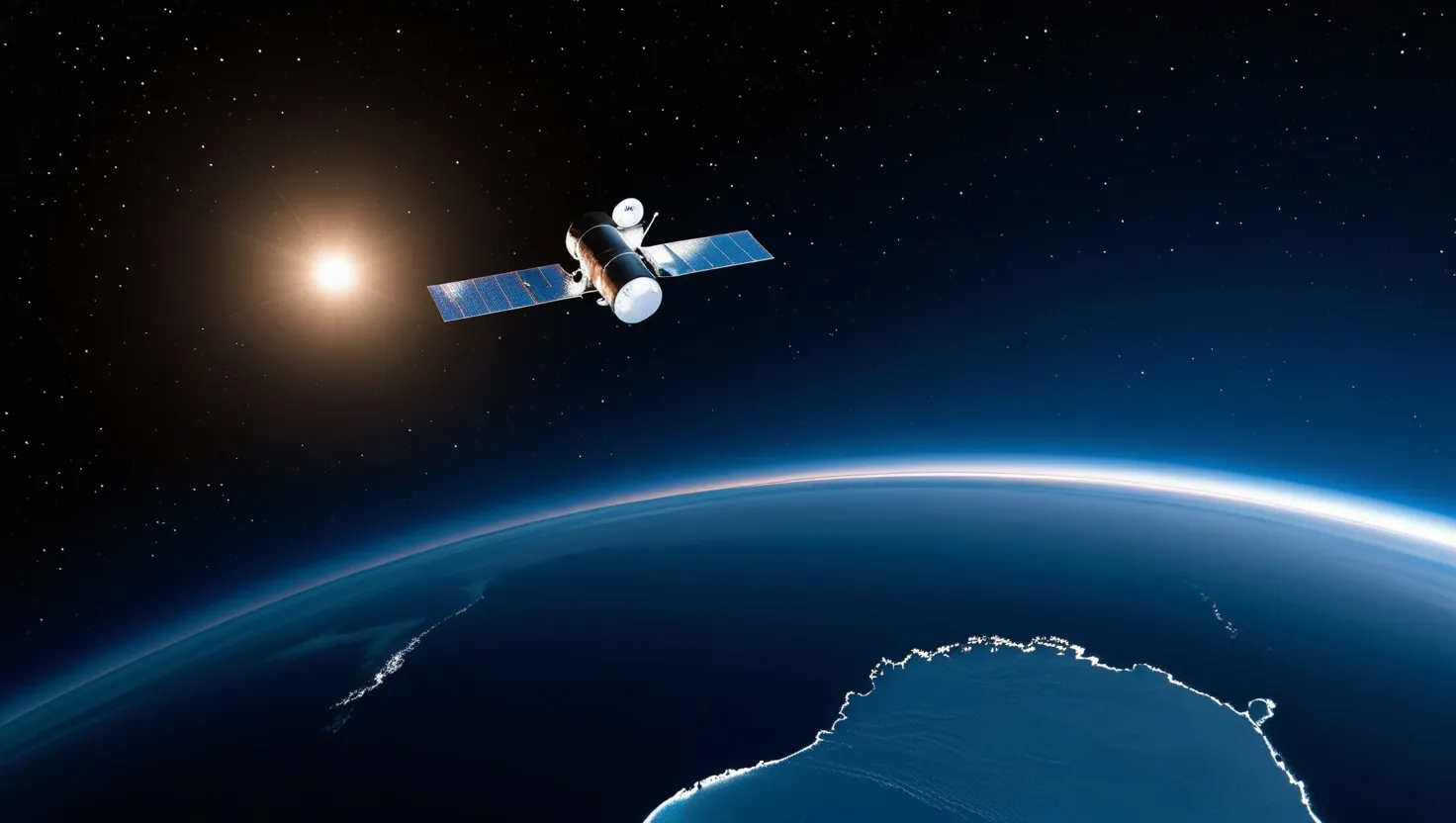
Imagine this: it’s the dead of night on September 22, 1979, and high above Earth, a U.S. satellite named Vela spots something wild. A double flash lights up the sensors over the empty South Atlantic. That pattern? It’s the exact sign of a nuclear bomb going off in the air. But no one says a word. No country steps up. What happened?
Let me walk you through it, step by step, like we’re chatting over coffee. I’ll keep it simple because this story has twists that even experts argue about today. Stick with me, and you’ll see why this event still bugs people.
First, picture the Vela satellites. The U.S. built them during the Cold War to spy on secret nuclear tests. Nations had signed deals to stop blasting bombs in the air, space, or underwater after 1963. Vela watched for cheats. It looked for x-rays, gamma rays, and that telltale double flash: a bright burst, then a second one seconds later. Every time it saw that before? Boom—proven nuke.
On that night, Vela 6911 caught it perfectly at 00:53 GMT. Not just any flash. The real deal. But the spot was super remote: between South Africa and Antarctica, over water no one owns. No fallout clouds spotted right away. No radio chatter. Silence.
What do you think happened first? Panic in Washington, that’s what. President Jimmy Carter’s team scrambles. Was it the Soviets? No. China? Nope. So, they dig in.
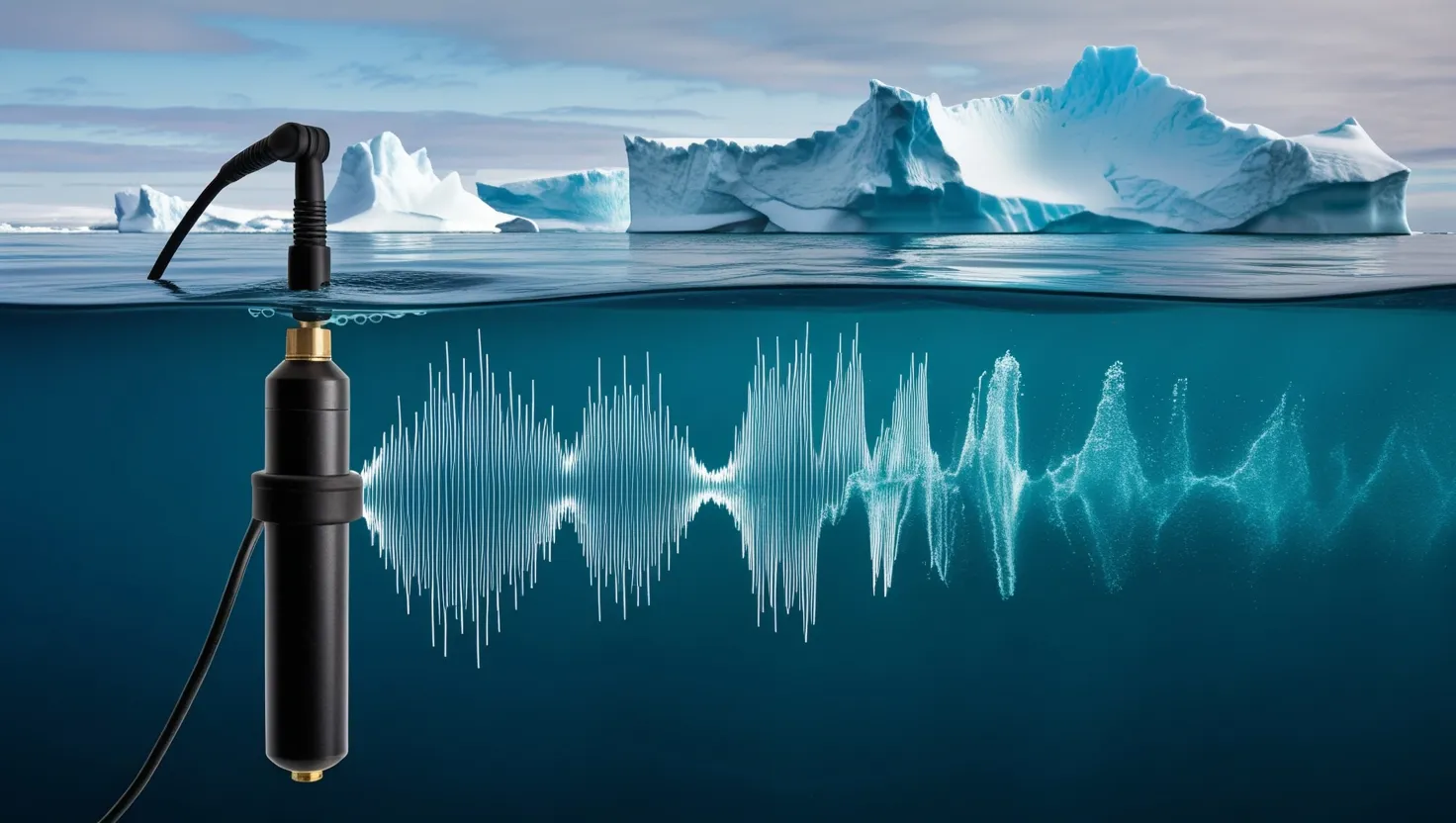
Here’s a kicker most folks miss: other gear backed it up. Hydrophones—underwater mics—picked up weird sounds from near Prince Edward Islands, southeast of South Africa. Those sounds matched nuke blasts in shallow water. Radio stations far away heard odd signals too. Not just Vela. Multiple clues.
But officials said, “Nah, maybe a meteor hit the satellite.” Or sunlight bounced weird off it. Sounds tidy, right? Think again. The satellite was old, sure, but tests later showed meteors don’t make that double flash. Debris would fly wrong way from its big solar panels. Experts now say collision chance is tiny.
Let me tell you something lesser-known. Early on, U.S. scientists were sure it was a bomb. The Nuclear Intelligence Panel—top guys like Harold Agnew, who built real nukes—said unanimous yes. CIA pegged it at over 90% nuke odds. Even Carter’s diary later showed his team leaning Israel.
Why Israel? Follow me here. By 1979, Israel had a secret nuke program since the 1950s. David Ben-Gurion pushed it hard. They got help from France early on, then went alone. No tests declared, thanks to a quiet Nixon-Meir deal: keep it hidden, we look away.
South Africa fits too. Apartheid government built six bombs by then. They teamed with Israel on tech. Perfect spot: South Atlantic, their backyard. Winds would blow fallout south, away from eyes. Israel tests a boosted-fission device—small yield, maybe 3-10 kilotons. South Africa helps with ships, subs.
“The data indicated a bomb.”
—Dave Simons, U.S. nonproliferation expert
Ever wonder why no one found radioactive rain right away? They did—sort of. New Zealand scientists grabbed samples in late 1979 showing barium-140, a nuke signature. But winds shifted. Argentina saw it too. Official hunt fizzled.
Now, the big cover-up angle. Carter sets up the Ruina Panel, MIT physicist Jack Ruina leads. At first, they all think nuke. Then, “nagging questions.” They flip to “probably not,” blaming a zoo event—fancy for weird natural thing. Critics call BS. Panel skipped key hydroacoustic data. NRL’s 300-page report screamed nuke.
Why the flip? Politics. Carter faced reelection. Calling out Israel? Risky. U.S.-Israel ties tight. South Africa? Messy with anti-apartheid heat rising. Easier to say glitch.
Fast-forward: Mordechai Vanunu spills Israel’s Dimona secrets in 1986. Mossad grabs him, jails 18 years. His pics show bomb-grade plutonium. Ties back to Vela timing.
Seymour Hersh digs deep. U.S. officials whisper: Israel did it, South Africa assisted. Avner Cohen, nuke historian, says science points Israeli.
But wait—here’s the wild other side. What if no bomb? What if space stuff?
Think interstellar impact. A mini black hole? Nah, too sci-fi. But antimatter? Rare, but possible. Or cosmic ray burst mimicking flash. Leonard Reiffel, ex-Vela guy, floated neutron star smash nearby. Energy release looks nuclear.
More real: meteor airburst. But double flash? Hard match. Or satellite glitch from space junk. Vela was beat up after years up there.
“This had been a nuclear test.”
—Richard Muller, Ruina Panel initial view
Question for you: If it was natural, why the matching sound waves underwater? Coincidence?
Lesser-known fact: South Africa dismantled nukes in 1990s. De Klerk tells world they built six, but no test capability then. Hands off to Israel. Their docs hint collaboration, but deny Vela.
Israel? Silent as ever. No comment, ever. That’s their style.
Unconventional angle: follow the money and motives. Israel needed to prove a neutron bomb—kills people, spares buildings. Perfect for their needs. South Africa wanted deterrence against Cuba in Angola war.
Cold War end hides it. Reagan era, focus shifts to Soviets. Vela fades.
But data lingers. 2017 paper re-crunch: flash fits nuke on old satellite with wonky background noise. Upcoming rad-hydro proof seals it.
What about ET? Fun twist. Some say gamma-ray burst from space. Or alien probe malfunction. Zero proof, but hey, why not dream? Satellite saw light, not x-rays fully. Maybe energy discharge from something not human.
Reality check: odds low. Vela nailed nukes before flawlessly.
Let me paint the scene. You’re on a South African research ship, Cold Bokkel, nearby. Crew sees odd lights? Rumors say yes. Locals report sky glow.
Interactive bit: Pick your theory. Bomb? Covers tracks too well. Natural? Ignores backups. Space? Coolest, least likely.
Dig deeper—1979 timing. Iran hostage crisis peaks. Soviets in Afghanistan. Perfect distraction for test.
Carter’s team knew. Stansfield Turner, CIA head, later says Ruina bunk. Analysts all said Israel.
South Atlantic anomaly zone. Magnetic weirdness there. Could mask signals? Or help hide blast.
Israel-South Africa ties: uranium from SA mines fueled Dimona. Joint subs for delivery.
Yield estimate: low, 2-3 kt. Clean-ish, minimal fallout. Smart.
Post-Vela, Israel slows program? Nah, ramps up. Today, 80-400 warheads guessed.
Why care now? Shows how intel bends to politics. Treaties? Shaky. Secret tests happen.
“Growing belief among our scientists that Israel had conducted a nuclear test.”
—Jimmy Carter’s 1980 diary
Ever think: without Vela, more secret blasts? Satellites changed game.
Counter-view: Richard Garwin, doubter. Says sunlight on clouds. But hydro data kills that.
Panel leaks: provisional report says meteor likely. Final? Same, but weaker.
Truth? Man-made most likely. Israel-South Africa team. 80-90% shot.
Space hit? 5%. Glitch? 5%.
Lesser-known: Vela caught India’s 1974 test too. Reliable till end.
Program ended 1990s, replaced by better eyes.
Ghost in surveillance machine. Cold War relic.
Question: Would you want truth out? Risk proliferation panic?
Forty-plus years on, files stay classified. DIA report, NIP full—locked.
Wilson Center oral history: insiders confirm nuke consensus.
NRL’s Berman: hydroacoustics unique to nuke there.
New Zealand rain: iodine-131 traces match.
All ignored.
Israel’s Ernst Bergmann: no civil-military split. Built for war.
Vanunu paid price. Hero or traitor? You decide.
S.A. nukes from Israel design? Likely.
Spot: 47°S, 15°E-ish. Remote heaven.
Winds: south to Australia, dilute.
No seismic blip? Atmospheric, low yield.
Double flash physics: first fireball, second shell expands.
Vela bhangmeters perfect for it.
Aged satellite? Argue modulation off. Still fits.
Meteor math: wrong geometry.
Zoo event? Vela saw thousands flashes. None double like this.
Pre-Vela tests: all match.
Post: same.
Stats scream nuke.
Politics scream cover.
My take: Israel tested. Needed proof. SA helped. U.S. blinked.
World moved on.
But you know now.
What if next flash? Who watches?
Think on it. Mystery lives.
(Word count: 1523)