Are We Ready to Make the Moon Our New Home?
Rising Above Earth: Humanity's Leap into Lunar Colonization
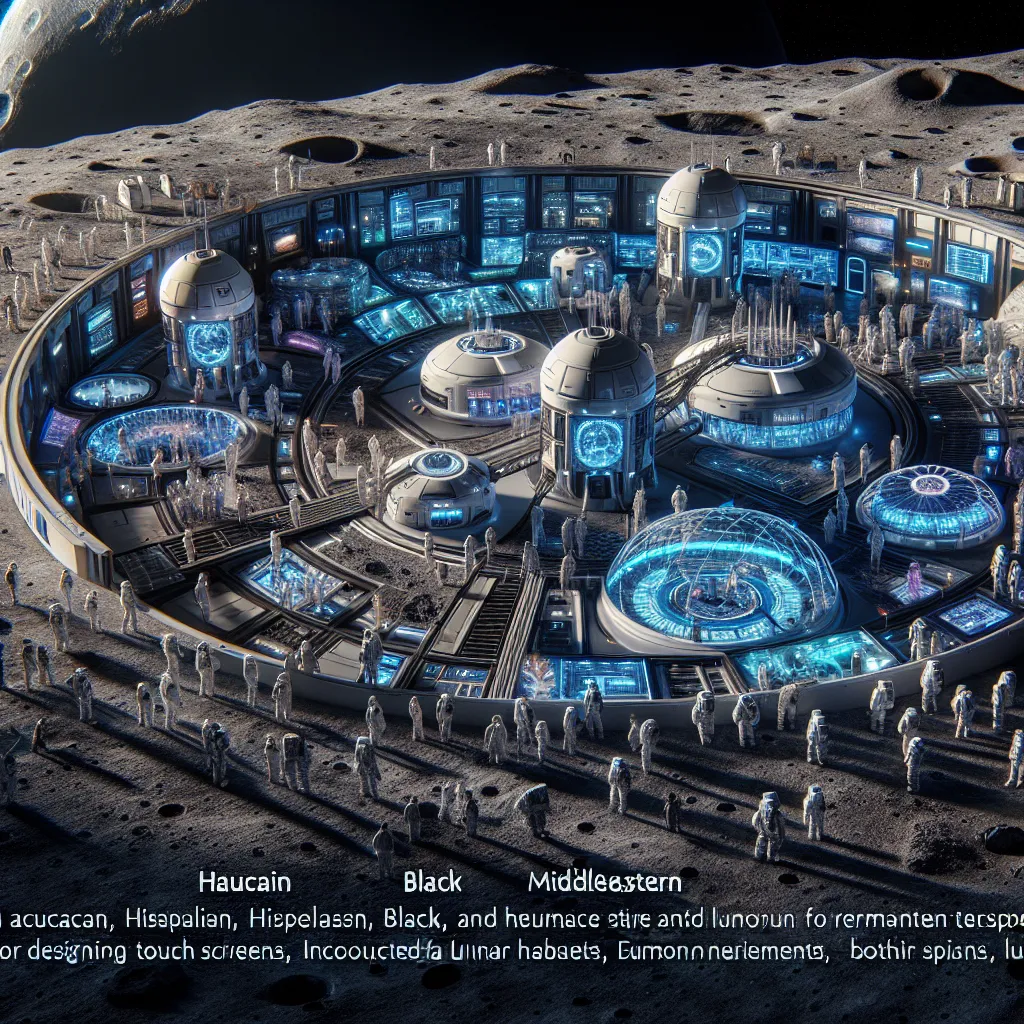
Humans have always fantasized about venturing beyond Earth and exploring the galaxy. Though it may seem like we’re born too early for this grand adventure, the truth is, we have the tools to take the first step right now by building a base on the Moon. NASA and private companies estimate it could cost between $20 to $40 billion, spread over a decade—comparable to the cost of the International Space Station and some national budget surpluses. This is a relatively modest investment considering the potential benefits.
Constructing a Moon base would serve as a testing ground for new technologies and unlock enormous resources. It could spark a new space race and lay the groundwork for even more ambitious endeavors, like colonizing other planets. This would not only benefit humanity on Earth through technological advancements but also involve us in a monumental, collective project. So, why haven’t we started yet? Unfortunately, governments often struggle to commit to long-term projects that secure our future.
Let’s imagine we decided to start building a Moon base today. Historically, colonization happens in phases. First, explorers map and claim the territory, like European monarchs did during the age of exploration. Next, small missions establish outposts that are still reliant on their home countries. Finally, a true colony forms, creating new wealth and opportunities for everyone involved.
Colonizing the Moon would follow a similar pattern, but without the tragic consequences of past human colonization. The Moon is challenging for many reasons: a lunar day lasts 29 Earth days with extreme temperature variations, there’s no atmosphere to protect against meteorites or radiation, and the surface is covered in jagged dust. Nevertheless, we’ve proven we can do difficult things.
The first phase of lunar colonization began with the Apollo missions 60 years ago. Satellites and rovers have since mapped and studied the Moon, finding crucial resources like water and metals. We know enough now to move into phase two: building a small Moon base, which could be completed in about a decade. This base would be lightweight and likely be set up in natural shelters like lava tubes or craters near the poles, where the lunar day lasts six months.
Initially, the astronauts would only stay for short missions, but they’d lay the groundwork for permanent habitation. They’d study the Moon’s composition and experiment with using local materials, such as purifying lunar ice for water and using it to grow food. They could also split water into hydrogen and oxygen for rocket fuel, making it easier and cheaper to launch missions from the Moon.
As phase two progresses and proves successful, we would enter phase three: developing a self-sufficient colony. Private contractors would arrive to exploit the Moon’s resources. They could mine precious metals and Helium-3, an isotope valuable for nuclear fusion. The colony would also need to use lunar materials for construction, making advancements in 3D printing and robotic mining crucial.
The colony would gradually grow, relying less on Earth for supplies. In time, engineers, scientists, and families would populate it, making the Moon a place to live rather than just work. The birth of the first extraterrestrial child would signal a significant milestone, transforming the Moon into a permanent human settlement.
New technologies developed to sustain the lunar colony would have immense value on Earth. These could include advanced recycling methods or genetically modified crops that require minimal water. The Moon could even host a space elevator, facilitating easy transport of goods and people to and from lunar orbit.
Eventually, the Moon might become a bustling hub of economic activity, raising questions about governance and identity. Will lunar-born individuals identify with their parents’ nationality, or form a unique lunar society? Will the Moon declare independence from Earth, challenging existing treaties?
Regardless of these questions, the Moon is an ideal starting point for learning to colonize the Solar System. This endeavor could unify nations and safeguard our species’ future in case of Earthly disasters. If we’re serious about exploring the Milky Way, the time to start is now. So, why not begin with the Moon?