How Do Simple Ants Build Kingdoms of Complexity?
The Magic of Many: How Simple Interactions Transform into Extraordinary Complexities
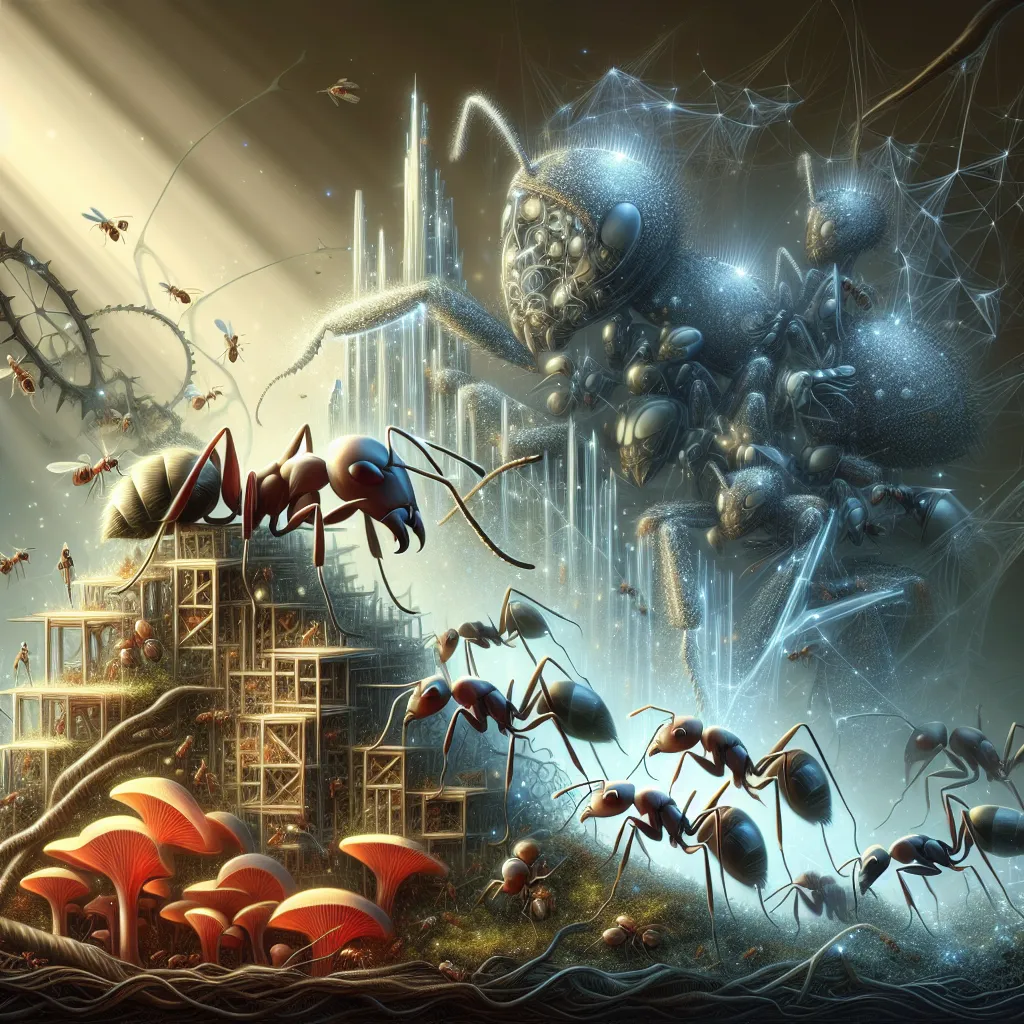
Ants might seem pretty dumb on their own. They don’t have much brains or any real plans. But when you put a bunch of ants together, they become surprisingly smart. Ant colonies can build complex structures, keep farms of fungi, take care of insect “cattle,” and even wage wars. This happens due to a phenomenon called emergence. Emergence is when simple things come together to form something that is more complex and has new properties that the individual parts don’t have. It’s complexity rising out of simplicity, and it’s everywhere you look.
Think about water for a moment. The molecules that make up water don’t have the property of wetness. But when these molecules interact, they create wetness. Zoom in close enough on wet fabric, and you’ll see no wetness, just molecules in spaces between the fabric. Wetness is an emergent property born from lots of water molecules playing together. That’s the magic of emergence—small interactions under simple rules create a whole new and complex reality. More is different, and this new thing can combine with other new things to build even higher layers of complexity.
Let’s look at ants again. How does an ant colony organize itself without a central leader? It’s all about following simple rules and communicating through chemicals. Each ant has a job and signals what it’s doing. For instance, a worker ant gives off a chemical saying, “I’m a worker.” When ants meet, they smell each other and exchange this information. If something disrupts the balance, like a bunch of gatherers getting eaten by an anteater, worker ants will notice. They don’t smell enough gatherers, and after a critical point, they switch jobs to become gatherers, restoring balance. This elegant rule-based system keeps the colony running smoothly despite the randomness.
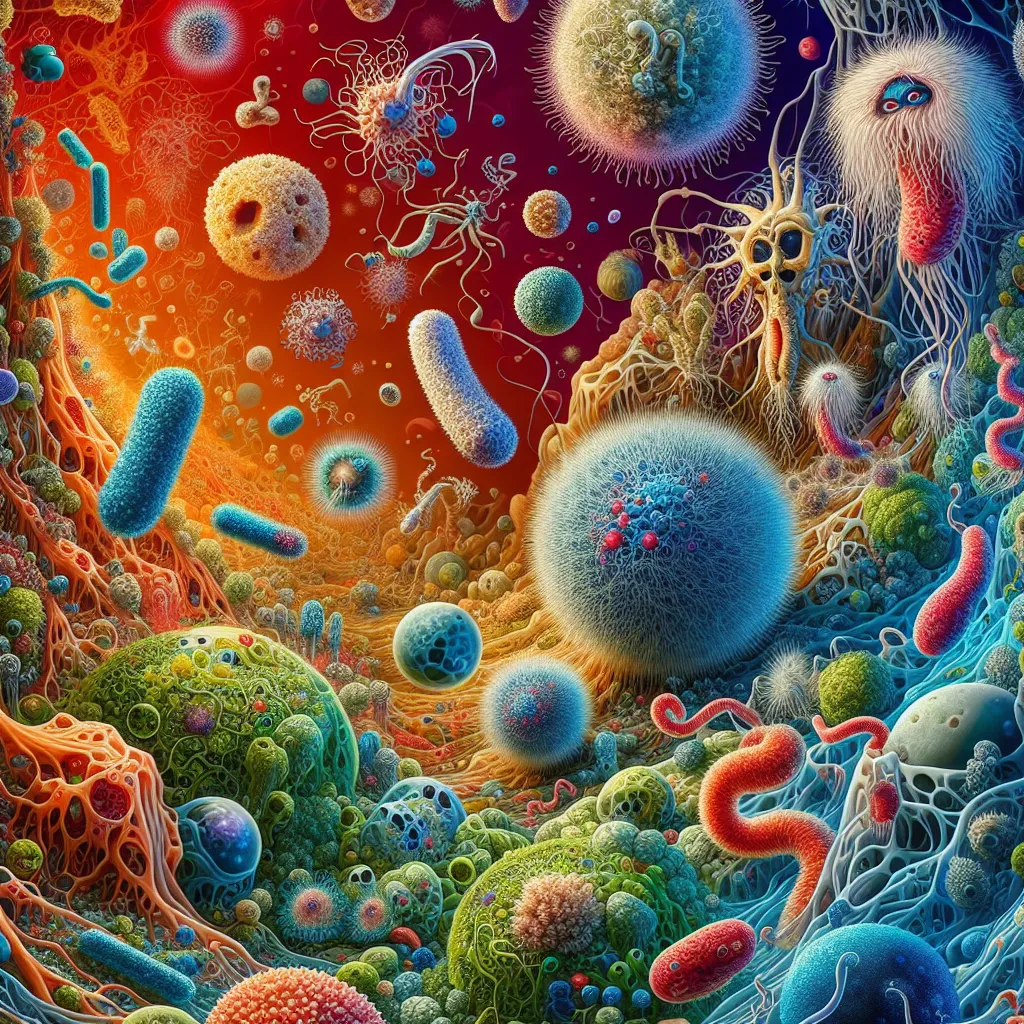
This idea scales up. Atoms form molecules, molecules form proteins, proteins form cells, cells form organs, and organs form individuals. These individuals form societies. From the smallest unit of life up to entire human civilizations, what emerges are entities with properties vastly different from their parts.
Consider the human body. Your heart beats because pacemaker cells coordinate through chemical signals, syncing up without any central command. This coordination goes all the way up to our consciousness, which might just be an emergent property of brain cells interacting.
This idea extends to human-made constructs like nations. A nation isn’t just its people, institutions, symbols, or territory. All these elements are fluid and change over time, yet nations interact with the world, wage wars, and can grow or perish. They exist because of interactions between millions of humans.
We are always creating complex structures without even realizing it—communities, companies, cities, societies. These complex entities are way more capable than the individual humans they arise from. Why does this happen? We don’t know for sure, but it seems to be a fundamental feature of our universe, a fascinating and beautiful aspect of how things come together.