Is Corporate Greed Sabotaging the Cure for Cancer?
From Ancient Roots to High-Stakes Innovation: Medicine's Extraordinary Journey
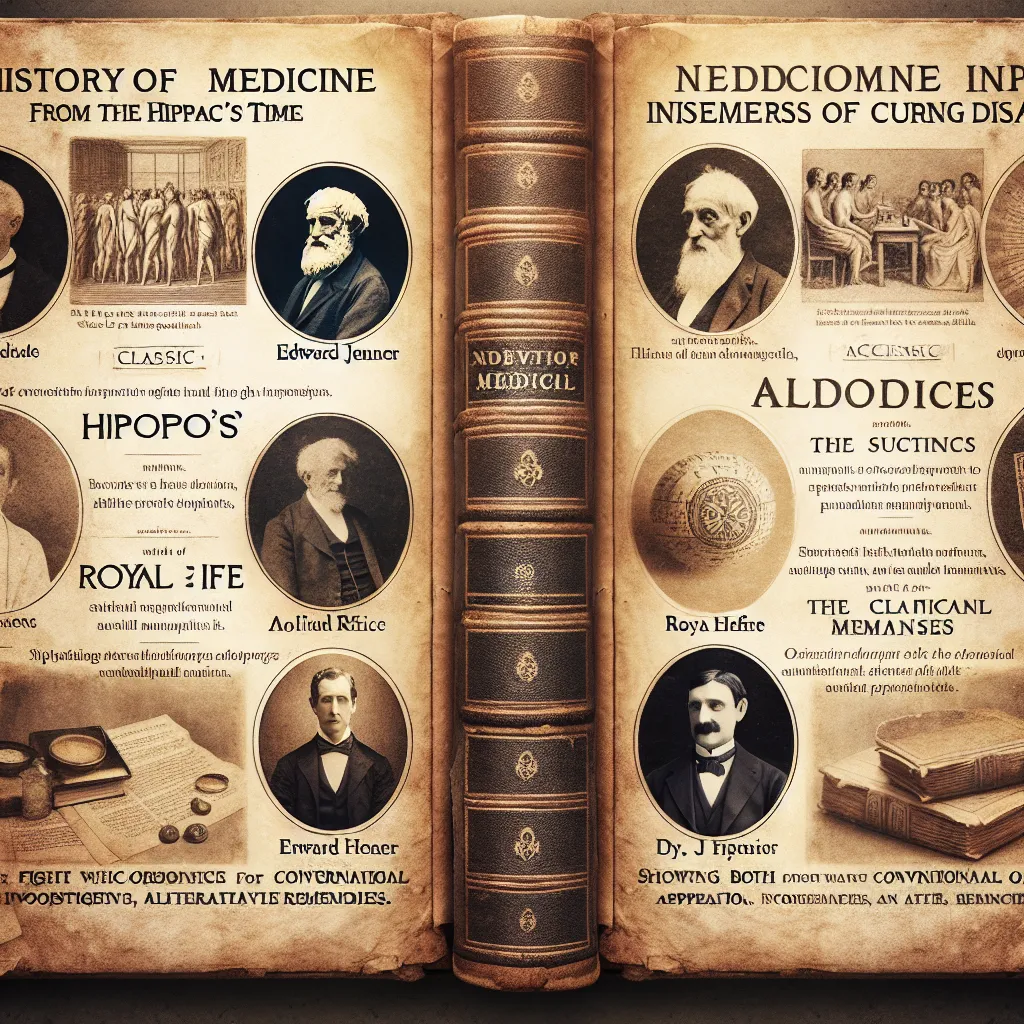
Medicine has an ancient history, from primitive herbal treatments to advanced modern practices. Hippocrates, the father of medicine, set the groundwork for today’s medical practices—observation, diagnosis, prognosis, and treatment. Fast forward to the 19th century, Edward Jenner’s smallpox vaccine and Louis Pasteur’s germ theory marked significant milestones. The 20th century saw breakthroughs like antibiotics, medical imaging, and organ transplants, doubling human lifespan over the past 400 years.
However, medicine also became an industry. President Eisenhower once warned that profit-driven war would lead to perpetual conflict, suggesting a similar dynamic might apply to healthcare. Huge sums have been invested in cancer research, raising concerns about profit motives in the disease’s persistent presence.
Royal Raymond Rife, an innovative mind of the early 20th century, believed cancer wasn’t a disease but a virus he named the BX virus. Rife developed a machine that used frequencies to destroy harmful microorganisms. His clinical trials showed promising results, with remarkable successes in curing cancer in lab animals and patients. Despite this, his work faced stern opposition from the medical establishment, most notably from Morris Fishbein of the American Medical Association (AMA), known for his aggressive suppression of non-mainstream medicine. Rife’s lab was repeatedly targeted, and his reputation tarnished.
The AMA has a contentious history. Originally formed as a trade union for doctors, it sought to marginalize alternative medicine. Leaders like Simmons and Fishbein used the Journal of the AMA to attack alternative practitioners, sometimes engaging in unethical practices themselves. Over time, the AMA became synonymous with the medical status quo, often resisting alternative treatments.
Harry Hoxsey, a self-taught healer, encountered similar resistance. He developed a popular herbal treatment for cancer and faced relentless legal and professional challenges from the AMA. Despite winning a libel case against Fishbein, Hoxsey’s clinics were eventually shut down, and his methods discredited.
Critics argue Big Pharma prioritizes profit over cures, but it’s essential to differentiate between corporate greed and the sincere efforts of medical professionals. While some accuse pharmaceutical companies of suppressing cures, it’s crucial to recognize the dedicated research and advancements made possible through mainstream medicine.
In modern times, pioneers continue exploring alternative treatments, and the medical community must remain open to innovative ideas. Vigilance against corporate greed is necessary, but so is trust in the dedicated scientists and healthcare workers striving to find cures.
Cancer has a personal toll, affecting almost everyone. Although alternative treatments often emerge from frustration with conventional medicine’s limits, they must be approached with caution. Open-mindedness and rigorous scientific validation are essential to ensuring new treatments’ safety and efficacy.
Ultimately, resilience and relentless pursuit of knowledge will drive medical progress, and the path to a cure for cancer hinges on balancing innovation with ethical considerations.