Is Your EU Vote More Powerful Than You Think?
Navigating Europe's Democratic Maze: Shaping the Future of the EU Together
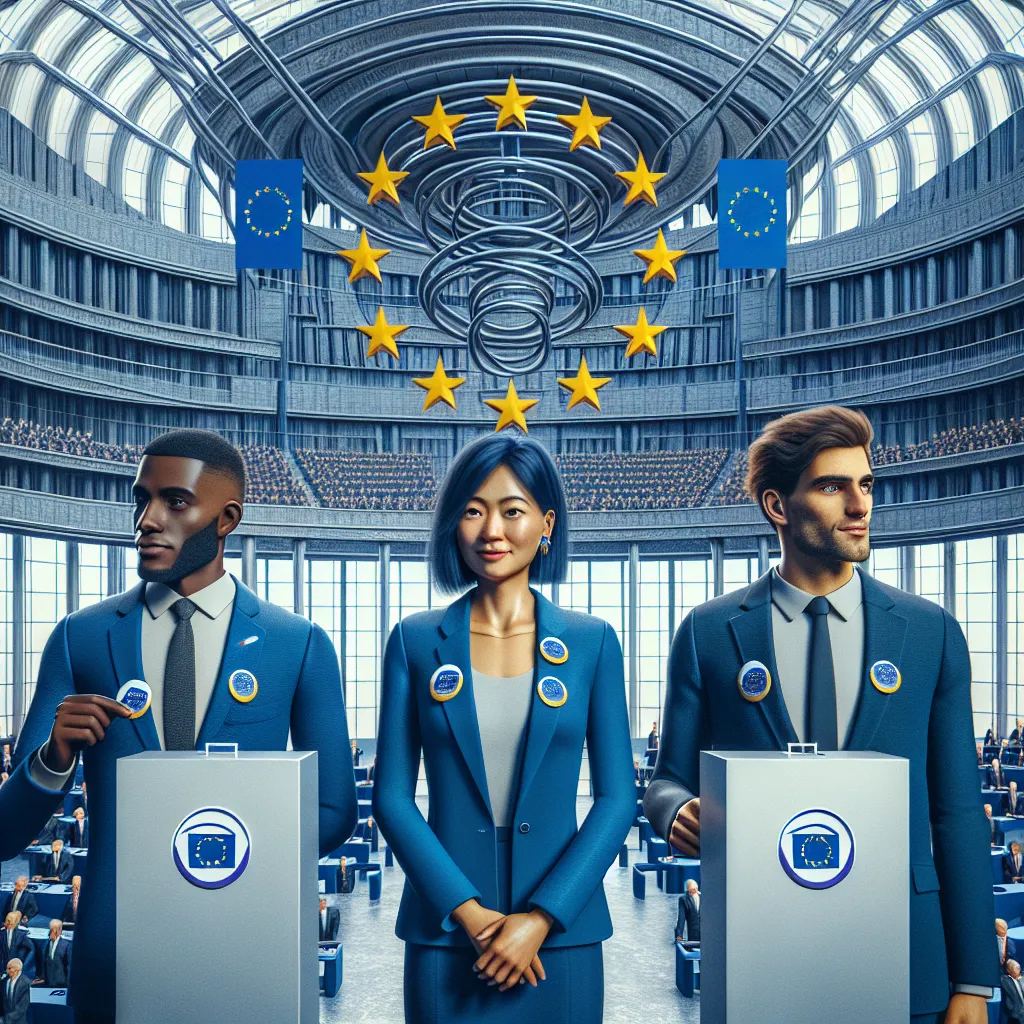
Living as a citizen of the European Union can sometimes feel like being under a massive bureaucracy that makes decisions beyond our control. Many Europeans believe their votes in EU elections don’t really matter and doubt the EU’s democratic nature.
Democracy is all about policies reflecting the people’s will. However, society comprises many different groups vying for influence and power. In a functional democracy, checks and balances ensure fairness in these power struggles. But, this concept evaporates at the international level, where politics are more anarchic. Historically, powerful nations took what they wanted through force or coercion. Post-World War Two, the United Nations aimed to establish peaceful rules, but with limited success, as it lacks real power.
The EU, however, strives to enforce rules among its members via the European Court of Justice, which can make binding decisions. Initially created to secure peace and prosperity in Europe, the EU also aims to amplify its members’ international influence. It’s a unique blend of a super-state and collective democracy, though challenging due to the differing priorities of member countries.
Creating a democratic union of independent nations is tough. The EU chose a mix of letting people vote for national politicians who then make EU decisions and direct elections for an independent institution to make binding decisions. Four main institutions coordinate this system: the European Council, the Council of the EU, the European Commission, and the European Parliament.
The European Parliament is the only body directly elected by EU citizens. It has progressively gained more power over the past two decades, requiring its approval for new laws, EU budget allocations, and international treaties. This makes the Parliament influential, and therefore, your vote crucial, even on an international stage. However, it can’t propose new laws, leading some to argue the EU isn’t democratic enough.
Currently, the EU is controlled by member states’ governments. Giving more power to the European Parliament could make the EU more democratic but would reduce individual member states’ power. The decision on how to proceed rests with us, the citizens, and the member states.
So, is the EU democratic? Compared to its member states, it’s less so but still possesses democratic elements. If you disagree with their decisions, you can look up how your representatives voted and vote them out in the next election. The push to make the EU more democratic is intertwined with the struggle over who wields power.
The EU is evolving, and your vote influences not just current politics but also the future structure of the Union. Whether to strengthen the European Parliament or maintain the status quo is up to voters across Europe. Despite its complexities, participating in EU politics is crucial, as elections can bring significant changes.
Europe is a significant topic, and understanding the EU helps us decide if we want to be involved in shaping its future. If we don’t engage in this democratic process, others will make decisions for us, possibly in ways we might not favor.
Thanks to various European YouTubers who helped translate and narrate this information into different languages, making it accessible to more citizens across the continent.