The Curious Case of Sergey: A Time Traveler’s Tale or Clever Fiction?
Time-Travel Tales: When Imagination and Reality Dance Through the Streets of Kiev with a Soviet Passport and a Smile

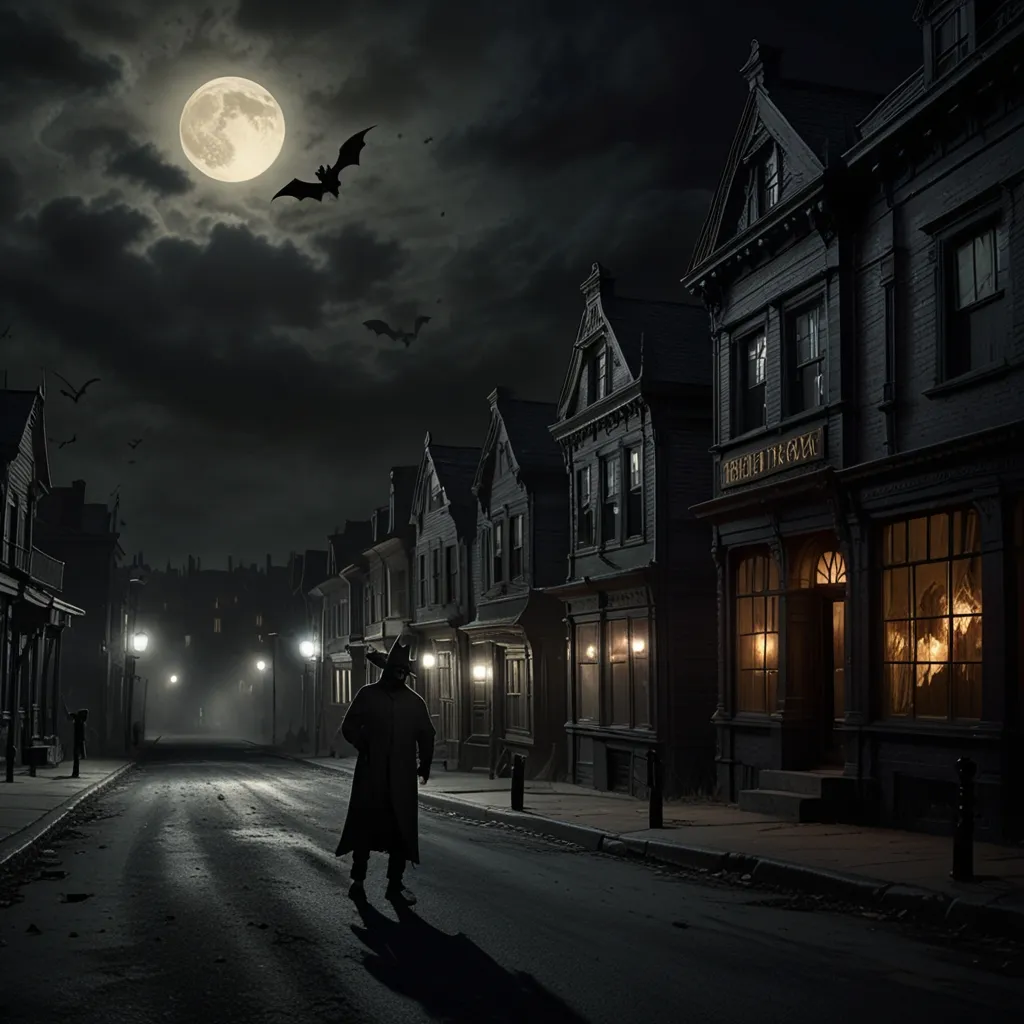
Back in April of 2006, a peculiar event unfolded on the streets of Kiev, Ukraine that got everyone scratching their heads. A young man, by the looks of him in his early 20s, seemed completely lost and bewildered near a high-rise building. Folks passing by thought, maybe he was just another tourist gone astray. But things took a turn for the weird when he approached the local police with an outlandish request—directions to a street that didn’t even exist.
The plot thickens as the officers asked this guy for some ID. There were two glaring issues with what he handed over: first, his identification was from the Soviet Union, a place that had ceased to exist long before 2006. Second, and perhaps stranger, the birthdate listed would have made this youthful-looking chap about 74 years old. How was this possible? The story of Sergey Panamerenko, our young protagonist, began to unravel—a tale captured by a Russian documentary titled “The Time Traveler.”
People initially spotted Sergey wearing clothes straight out of the 1950s, all crisp and new-looking. He was desperately trying to find “Peshnaya Street,” a place that wasn’t anywhere on the city map. An antique camera dangled from his neck, another oddity. The attending officer, Sergey Annapenko, couldn’t ignore these strange details, especially since the papers Sergey had were dated from 1958, yet appeared immaculate.
Of course, this surreal situation led the authorities to escort Sergey to a psychiatric clinic as he refused to go willingly, acting more unruly than ever. There’s CCTV footage capturing his every move—Sergey looking astounded by modern gadgets like mobile phones, and clutching onto his belongings like a lifeline.
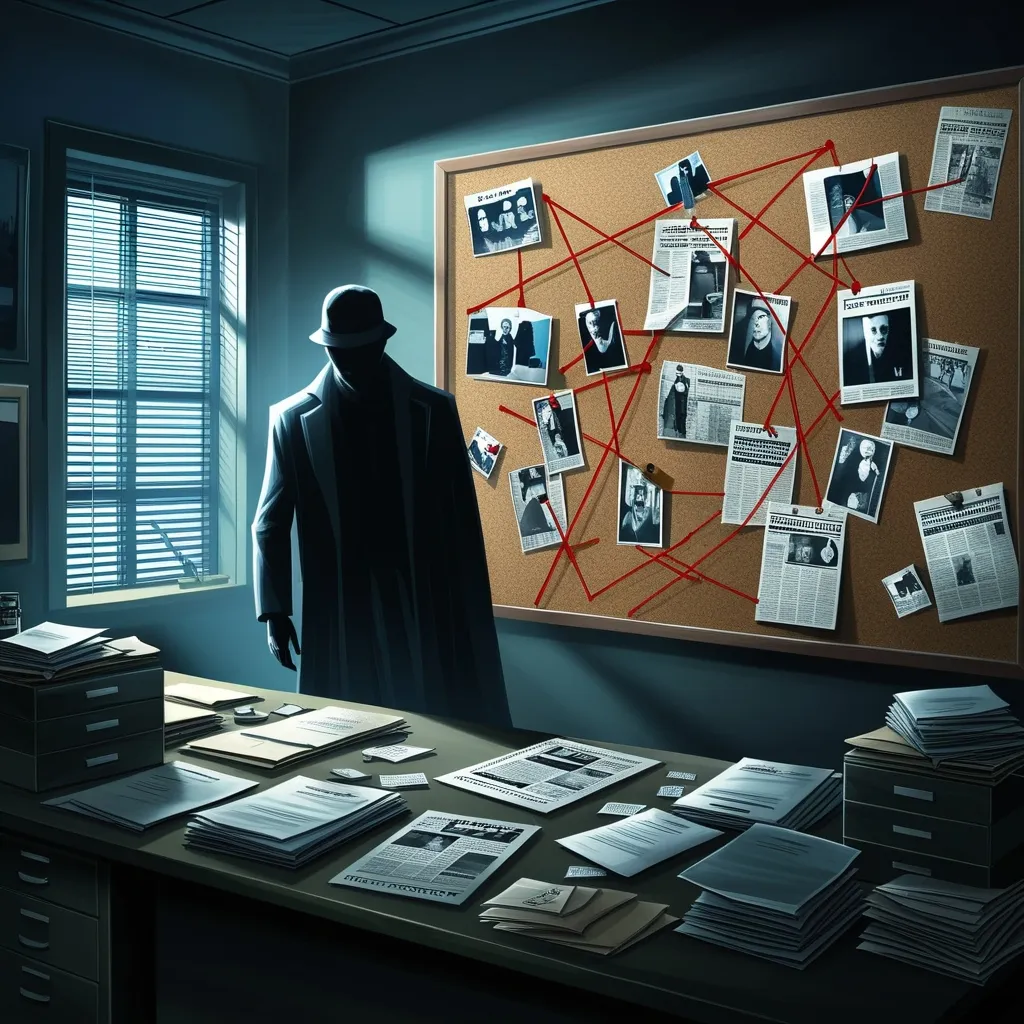
Delving further, investigators started piecing Sergey’s fantastic tale together when a peculiar photograph came into focus. The shot, taken with that antique camera, reveals a skyline of Kiev not yet realized, complete with skyscrapers absent from the current map. Scrawled on the back was a note to someone named Valentina, hinting at a hopeful reunion, albeit sometime in an indeterminate future.
The plot thickens with Sergey seemingly vanishing into the ether of time, suspected to have traveled far beyond what the city has yet to become. This mystery, frozen as of 2011 in the documentary’s release, and with no word from Sergey’s end, leaves an itch curiosity can’t scratch.
Time travel, a concept sucking us into its tantalizing whirl for so long, has shape-shifted through science fiction—classics from Mercier’s 1770 book that hurled characters centuries forward, to Dickens’ “A Christmas Carol,” and the genre-defining “The Time Machine” by H.G. Wells. Yet, the burning question persists: Can we actually leap through time’s fabric?
It turns out, zipping into the future isn’t merely the stuff of storybooks. Einstein, that brilliant mind of the early 1900s, laid down frameworks with his theory of relativity—time shifts for the fast-moving clocks compared to ones ticking away at a stationary pace. Fancy taking a jaunt 100 years ahead? All it takes is a spaceship skimming close to light speed on an interstellar round-trip.
This mind-bending notion was tested and proven with flights where clocks aboard slightly lagged upon return, a small victory for Einstein’s theory, aptly named special relativity. But dipping back in time? Now that’s a thornier puzzle, one not universally embraced among physicists but theoretically cozying up in Einstein’s expansive ideas.
To unravel past folds of time, science toys with bending spacetime until it loops back on itself—a cosmic shortcut, faster than the light-speed bar. Envision this as your life path traced through a circular timeline, granting a revisit to familiar milestones from yesteryears. Yet, this grandiose maneuver demands astronomic energy, perhaps something only capable of monumental cosmic phenomena, still out of reach by today’s standards.
So, does this unraveling of Sergey’s journey suggest he slipped through a space-time tear or a wormhole prompted by a UFO snap? It’s thrilling to muse on, but let’s press pause on the imagination reel.
Despite the intriguing tale, Sergey Panamerenko’s escapade doesn’t hold water under scrutiny. Several red flags bubble up, giving credence to skepticism. Within the documentary lurks a casting director—a hint towards dramatization rather than reality. The details are wonky; mismatches in dates, times, and even Sergey’s supposed age surface. Photographs used to prop this tale up reveal discrepancies upon closer inspection, with digitally aged images adding to the story’s fabricated aura.
As beguiling and mesmeric as Sergey’s journey through time may seem, it’s not an account of actual time-twisting folly. Still, it captivates as a crafted piece of storytelling, one that tugs at our intrinsic curiosity about time’s slippery embrace.
Why are we irresistibly drawn to time travel? Perhaps because its allure lies in our powerlessness over time—how it universally slides away unclaimed, unamendable. Time travel opens windows into what might be, teasing with glimpses of the unimaginable future and do-overs of fondly or regretfully remembered pasts.
Dreaming of temporal journeys nudges at our what-ifs. What would change if we nudged moments in time—altering those pesky embarrassments, missed opportunities, or idle dreams left to wilt? Would life offer a different hue if choices veered in new directions?
But in our quest to rectify past choices or leap into futures unknown, there lies a simpler truth. Each present moment hands us a chance to steer towards less regret. It reminds us to live intentionally, not imprisoning ourselves in the “could-have-beens” of life but rather driving through each day like a wild, exhilarating expedition.
As we bid Sergey’s fictional jaunt goodbye, let’s toast to the journeys we forge here and now. In this wondrous ride called life, may we find joy in the unexpected turns, continually crafting a narrative that remembers daring ventures and fulfilling adventures. Here’s to making the present as vibrant and unregrettable as possible, one moment at a time.