What Can Blindness Teach Us About Battling Neglected Tropical Diseases?
Rising Above The Shadows: Humanity's Battle Against Hidden Scourges
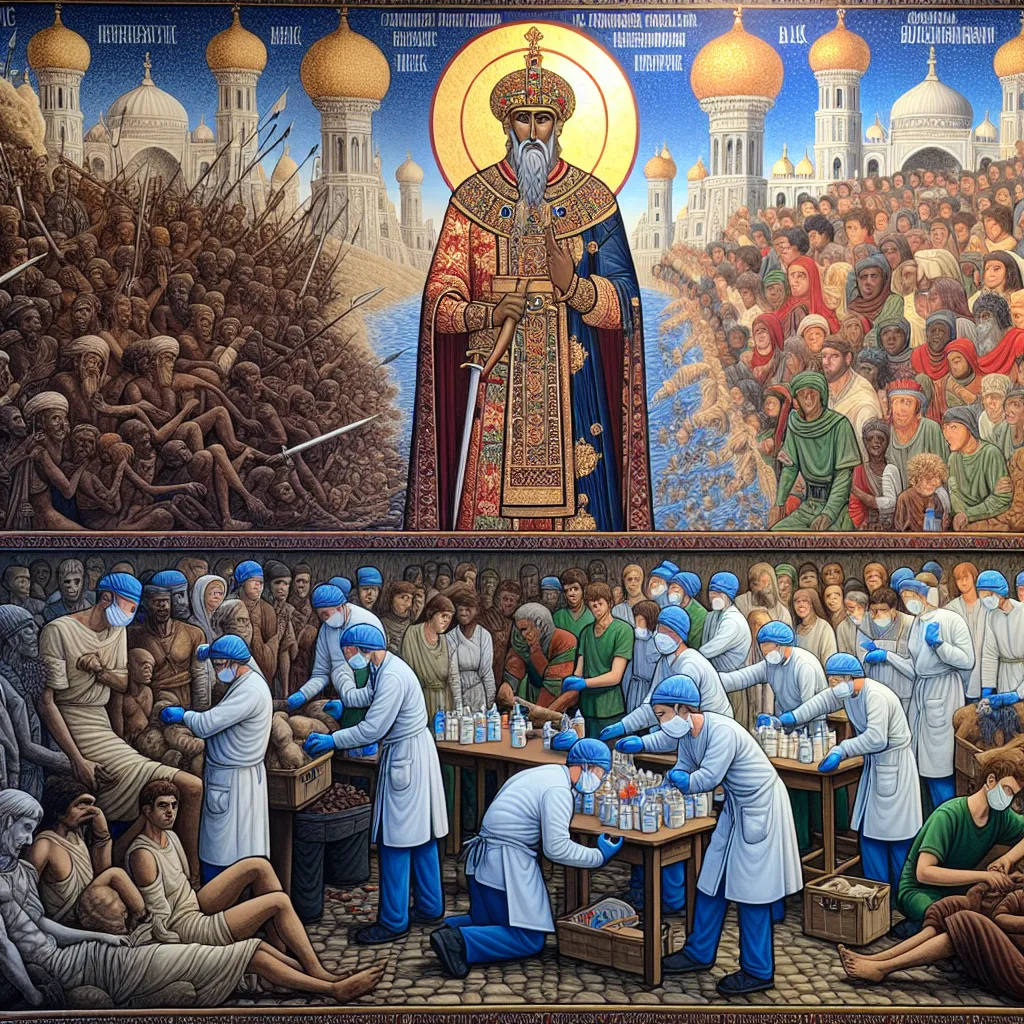
In 1014, Byzantine Emperor Basil the Second defeated the Bulgarian army and captured 15,000 prisoners. Instead of killing them, he had a cruel idea. He ordered 99 out of every 100 prisoners to be blinded and left one with one eye to guide the rest home. This way, their communities would be burdened with caring for them for the rest of their lives.
Today, humans face a similar, cynical threat from a group of diseases known as NTDs (Neglected Tropical Diseases). One in seven people worldwide suffers from one or more NTDs, more than the population of Europe. These diseases cause immense pain and suffering, crippling millions of people and costing billions of dollars in lost income each year. They weaken communities and slow down progress.
NTDs are caused by various parasites like worms, bacteria, and viruses. The symptoms they cause are horrifying. Some, like hookworms, steal nutrients from children, stunting their growth and impairing their intelligence. Some NTDs cause blindness through terrible eye infections. Others trap people in bed for months, damaging internal organs and shortening lifespans. Some lead to severe disfigurements, causing social stigma and unemployment. Others bring unbearable itching or pain.
Take Dracunculiasis, for example. If you drink infected water, you won’t notice anything for a year. Then, a blister pops up on your leg, and a worm starts to emerge, releasing new larvae. The only way to remove it is to pull it out slowly, centimeter by centimeter, over weeks, as the worm can be up to a meter long.
We declared war on these parasites, aiming to eradicate most of them by 2020. In 1985, there were 3.5 million cases of Dracunculiasis globally. By 2015, that number dropped to 22. We’ve nearly wiped out this parasite.
Such achievements may not make big headlines like Ebola, but they are remarkable. NTDs primarily attack people in isolated communities who can’t defend themselves. Some villages are 500 kilometers from the nearest health facility, so even if medicine is available, it’s challenging to get it to the patients. This called for a massive effort.
The fight against NTDs is possibly the biggest medical program in human history. Organizations from all fields are working together to eliminate ten NTDs. Ironically, every NTD is preventable or treatable. However, most require giving medicine to every person in high-risk areas for years, often in countries with no infrastructure. Governments and health organizations couldn’t do this alone. The pharma industry stepped in, distributing necessary drugs for free and promising to continue until these ten diseases are gone.
By 2020, nearly $18 billion worth of drugs will have been distributed, the largest drug donation in history. In 2015 alone, these treatments reached over 850 million people, more than the population of the EU and the US combined.
Bad news tends to dominate headlines, while stories of overcoming destructive diseases through unprecedented cooperation often go untold. Good things are happening all the time, bringing us closer to a future without suffering.
We, as a species, can do great things when motivated by the desire to help each other. It’s good to remember that from time to time.