What If GMOs Are Our Secret Weapon to Save the Planet?
Reimagining Agriculture: The Superpowers and Myths of GMOs in Modern Farming
GMOs, or Genetically Modified Organisms, are a hot-button topic in science. While genetic engineering in medicine, like GM insulin, is pretty much accepted, things get heated when it comes to food. So, what’s the fuss about?
Humans have been tweaking plants and animals for thousands of years. Picture this: you’ve got a couple of crops with awesome yields, or maybe a super loyal wolf. Naturally, you breed them to keep those great traits going. Over generations, these genes become more prominent, transforming the plants and animals around us. So, if we’ve been at this for millennia, what makes GMOs different?
Selective breeding is a bit of a gamble, you’re hoping for some lucky genes. Genetic engineering, however, lets us handpick the traits we want—bigger fruit, pest immunity, you name it. But here’s where things get sticky.
One big worry about GMOs is gene flow. This means GM crops could contaminate traditional ones, mixing in traits farmers didn’t ask for. And then there’s the controversial idea of Terminator seeds—plants that can’t reproduce, forcing farmers to buy seeds every year. People really hated this, so it never took off.
But let’s get real—GM plants are not going wild on a rampage. Crops often pollinate themselves and need to be related to cross-breed. Plus, farmers use buffer zones to keep things separated. But what everyone really wants to know is, are GM foods safe to eat?
The short answer: yup. GM plants destined for our plates go through rigorous safety checks, and after 30 years and thousands of studies, the science community agrees they’re as safe as non-GM foods.
Let’s talk about BT crops. They produce a protein that wrecks specific insects, acting as their own pesticide. Sounds scary, but it’s fine for us. It’s like how coffee is great for us but kills insects, or how chocolate is a treat for humans but toxic to dogs. Different strokes for different folks—or species.
On the flip side, some GM plants are engineered to withstand certain weed killers, like glyphosate. This has led to a boom in glyphosate use in the US. It’s less harmful to humans than other herbicides, but it’s created an over-reliance among farmers, sidelining more balanced agriculture methods.
Criticism of GMOs often bleeds into criticism of modern farming and big corporations. These complaints are legit and crucial. We need more sustainable farming. And guess what? GMOs can actually help with that.
Look at the success stories: In Bangladesh, a GM eggplant drastically cut insecticide use, improving farmers’ health and boosting their income. In Hawaii, a GM papaya saved the local industry from a devastating virus.
But GMOs aren’t just about pest control. Scientists are working on crops packed with extra nutrients, like vitamin-rich rice or antioxidant-loaded fruits. They’re also developing plants that can endure erratic weather and tough soils, potentially saving us from climate-induced food shortages.
Some future GMOs might even help the environment more directly. Imagine crops that pull nitrogen from the air, reducing the need for polluting fertilizers. Or super-effective carbon-absorbing plants to combat climate change. With today’s tech, the possibilities are endless.
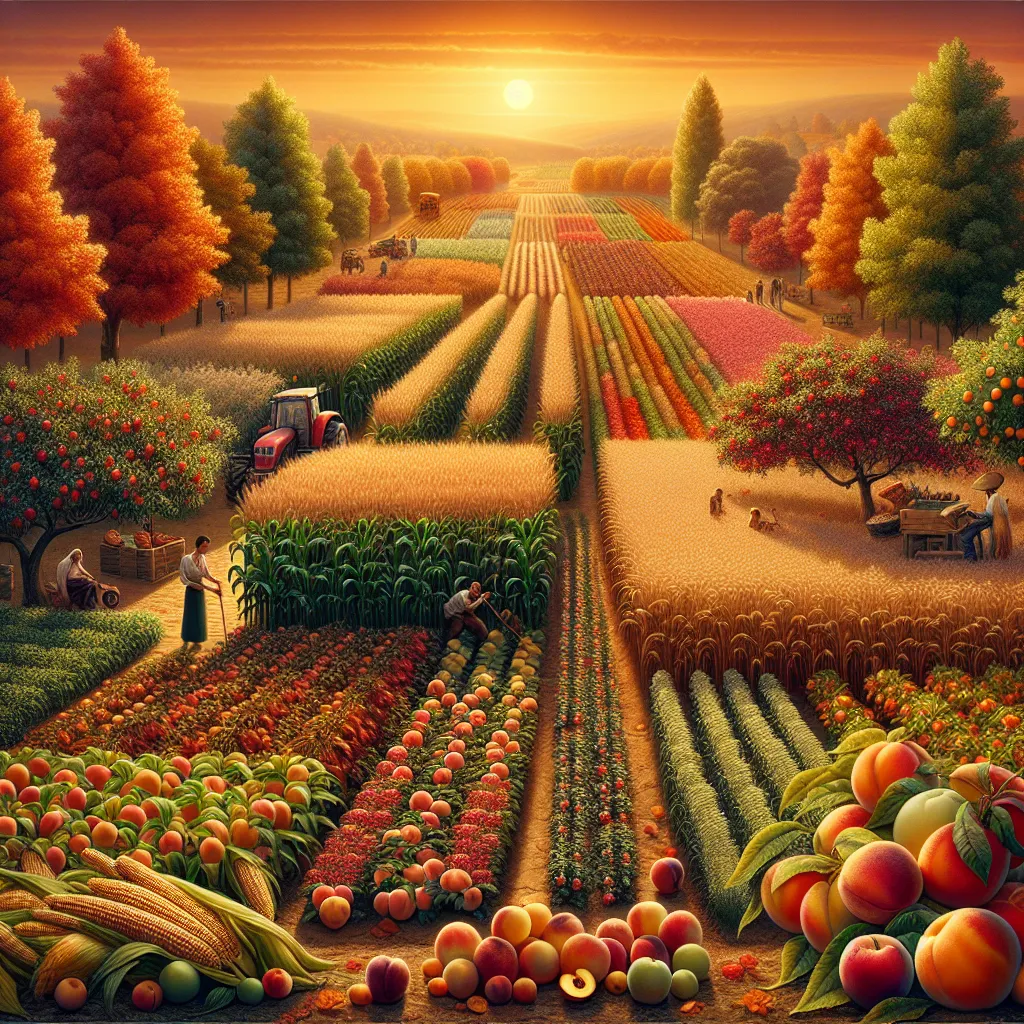
We eat a staggering amount of food every day, and by 2050, we’ll need 70% more of it. We can either clear more forests for farmland and use more pesticides, or we can become smarter and more efficient with the land we’ve got—enter GMOs. These super crops could help us farm intensively, not extensively, making them the new organic.
In a nutshell, GMOs could radically improve agriculture while helping to fix our environmental mess-ups. They might just be our best tool to save the planet.