What if We’re the Aliens in Human History?
Together Through Time: Humanity’s Journey from Survival Struggles to Modern Marvels
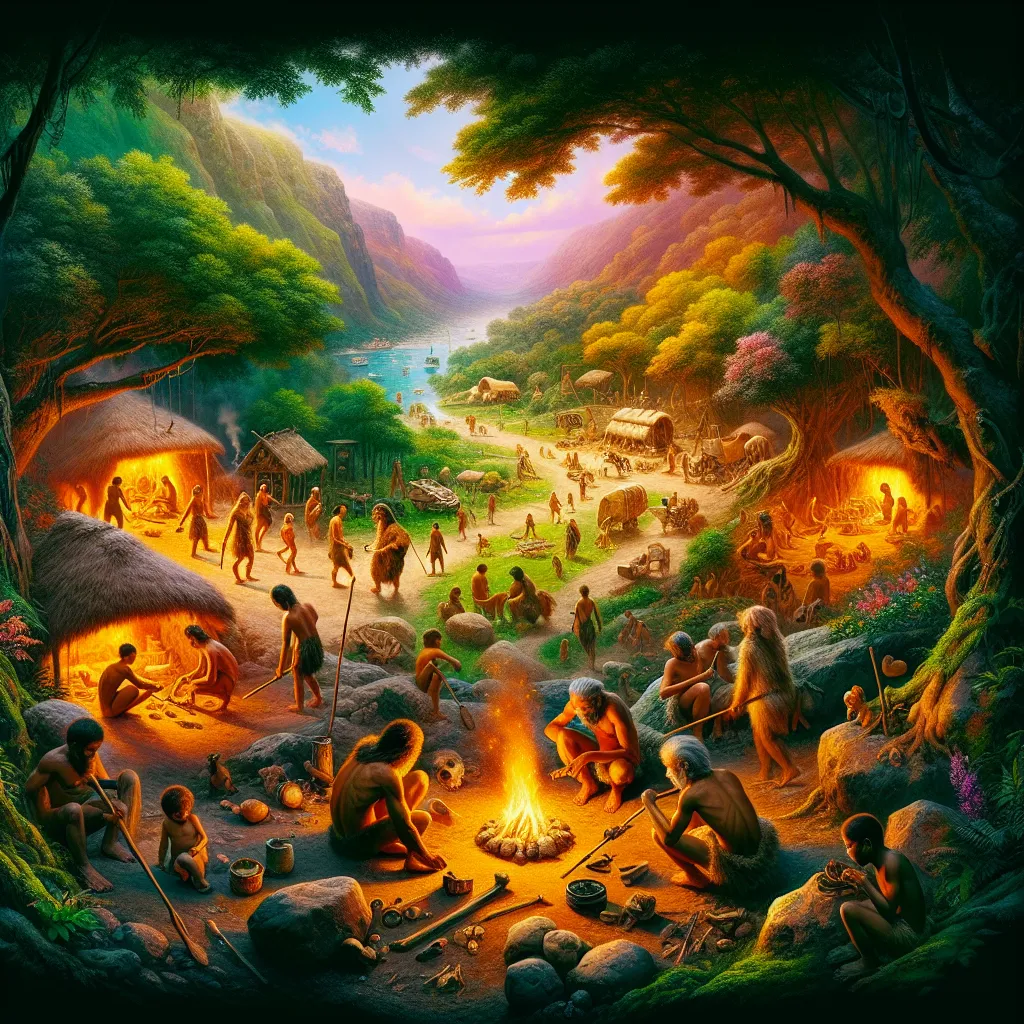
The world feels normal and ordinary to us now, but this is a luxury that wasn’t afforded to our ancestors. We take food, shelter, and security for granted, but those same essentials were a constant struggle for the vast majority of human history.
Our story traces back to 6 million years ago when the hominini tribe split from the apes. The first humans, the genus Homo, appeared around 2.8 million years ago. Contrary to what we might think, we weren’t the only humans. Homo sapiens sapiens emerged about 200,000 years ago, co-existing with at least six other human species. Imagine living in a world where encountering a cousin of comparable intelligence was a regular occurrence—almost like living with aliens.
One of those, Homo erectus, survived for an impressive 2 million years, much longer than modern humans have been around. The other human species disappeared roughly 10,000 years ago, and we don’t really know why. Some DNA mixing occurred between these species and us, but it wasn’t significant enough to merge fully.
Back to technological milestones. Early humans used tools 2.8 million years ago but didn’t make much progress until they harnessed fire about 1.8 million years ago. Fire changed everything: cooking made food more nutritious, light extended their days, and warmth made harsh winters manageable. Fire also offered protection and a tool for hunting, setting the stage for human advancements.
Around 300,000 years ago, humans formed small hunter-gatherer societies. They had fire, tools, and a proto-language, and they buried their dead, showing early signs of culture. For a long time, nothing much changed—our ancestors were survival experts. They had a mental map of their territory, memorized vital environmental information, crafted intricate tools, and led rich social lives within their tribes.
The big shift came about 12,000 years ago with agriculture. People could now rely on others for survival, leading to specialization. Some worked on better tools, others bred crops or livestock, and some invented new things. Agriculture led to predictable food supplies and allowed communities to grow, hoard food, and build defenses, transforming villages into cities and cities into empires.
Fast forward 500 years to the Scientific Revolution, which reshaped our understanding of the world. The Industrial Revolution soon followed, laying the groundwork for our modern society. Efficiency grew, and more people could contribute to humanity’s progress. The invention of the computer and the rise of the Internet revolutionized everything, making knowledge more accessible than ever before.
In the grand timeline of human existence, it’s astounding how quickly things have progressed. The average high schooler today knows more about the universe than scholars did a few centuries ago. Humans dominate the planet, but our reign is fragile. Despite our advanced lifestyle, we are not so different from our ancestors who lived 70,000 years ago.
Our modern way of living has existed for a tiny fraction of human history. The future holds many uncertainties. We might be building a grand skyscraper of human achievement, but whether it’s on a solid foundation or quicksand is still up for debate. So, the next time you encounter minor inconveniences like a cold burger or a missed train, remember how extraordinary our human world is. Maybe those small annoyances aren’t worth the frustration.