What Lurks Beneath the Atomic Glow? Unmasking the Dark Side of Nuclear Power
When Atomic Dreams Turn to Nightmares: Dangers of Nuclear Energy
Three Reasons to Say Goodbye to Nuclear Energy
1. Nuclear Weapons Proliferation
Nuclear energy technology has a dark history. It made its violent debut in 1945 when two cities were destroyed by nuclear bombs, just a year after the first nuclear test explosion. While nuclear reactors were later developed for generating electricity, they’ve always been closely tied to nuclear weapons. Developing nuclear weapons almost inevitably requires reactor technology. The Nuclear Non-Proliferation Treaty aimed to spread reactor technology for peaceful purposes, but it hasn’t been very successful. Over 40 years, several countries have developed nuclear weapons using reactor technology. It’s tough to tell a peaceful nuclear program from one aiming to build weapons. In the 1970s, major nuclear powers sold “peaceful” technology to smaller countries, which then used it to develop weapons. The road to nuclear weapons often starts with peaceful reactors.
2. Nuclear Waste and Pollution
Nuclear waste is highly dangerous and stays toxic for tens of thousands of years. Spent nuclear fuel is not only radioactive but also contains deadly chemicals like plutonium. A process called reprocessing can extract plutonium from spent fuel, which can either be used to build weapons or as new fuel. However, most of it isn’t used as fuel because we lack the right kind of reactors. Even a tiny amount can be fatal or used to make bombs. Countries like Germany have tons of this stuff lying around, as reprocessing seemed like a good idea decades ago. So where do we put all the waste? Ocean dumping is banned, and burying it securely for thousands of years is challenging. Currently, over 30 countries with nearly 400 reactors manage hundreds of thousands of tons of nuclear waste, and only Finland is serious about permanent storage.
3. Accidents and Disasters
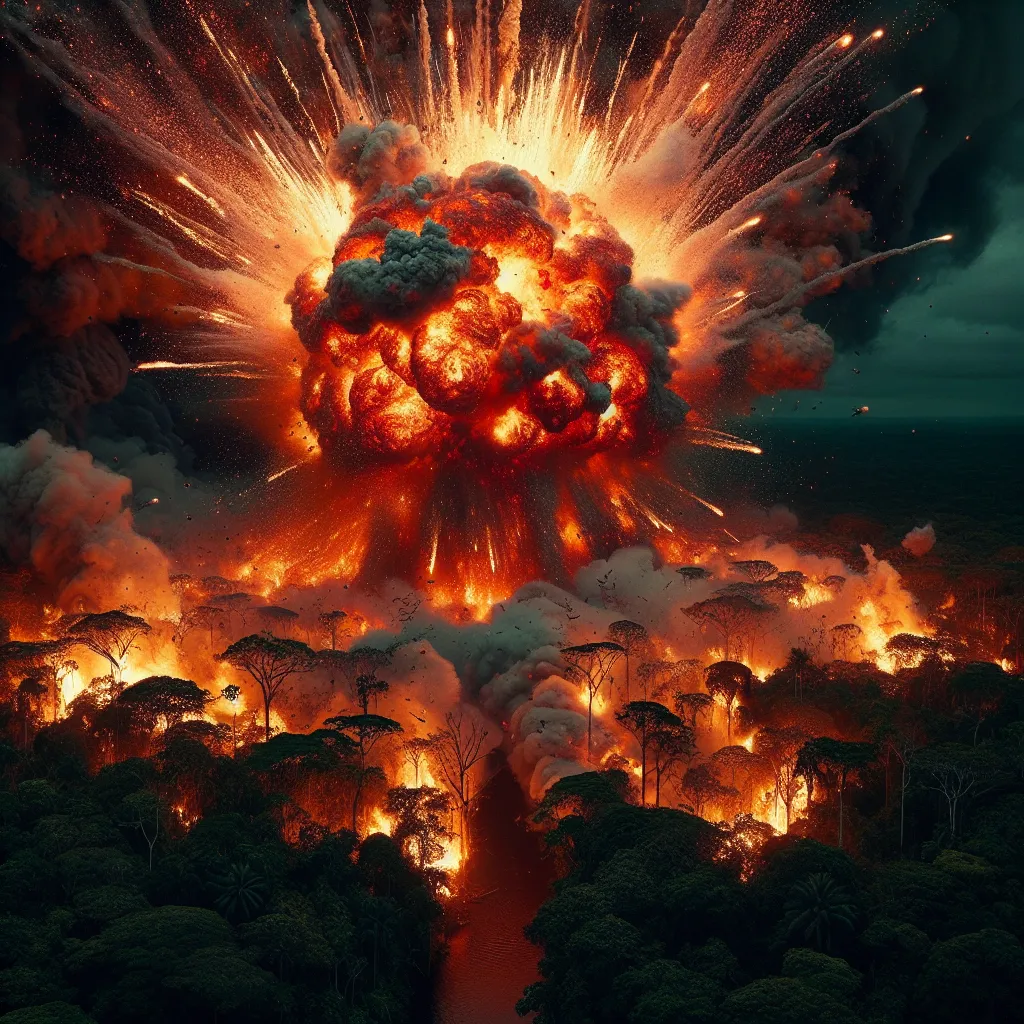
In 60 years of using nuclear power, there have been seven major reactor accidents. Three were mostly contained, but four released significant radioactivity. For example, in 1957, 1986, and 2011, large areas in Russia, Ukraine, and Japan became uninhabitable for decades. The death toll from these disasters is highly disputed but likely in the thousands. These accidents happened with different types of reactors in various countries and eras. Given these numbers, we must ask: is getting 10% of our energy worth a devastating disaster every 30 years? Would getting 30% be worth another Fukushima or Chernobyl every decade? How much land needs to be contaminated before we say no more?
Should We Use Nuclear Energy?
The risks associated with nuclear energy might outweigh the benefits. It’s time to reconsider this technology and possibly abandon it for good.