What Makes You 'You' in a Universe of Trillions: A Journey Through Cells and Identity
Whimsical Reflections on the Fluidity of Self in a Universe of Ever-Changing Patterns
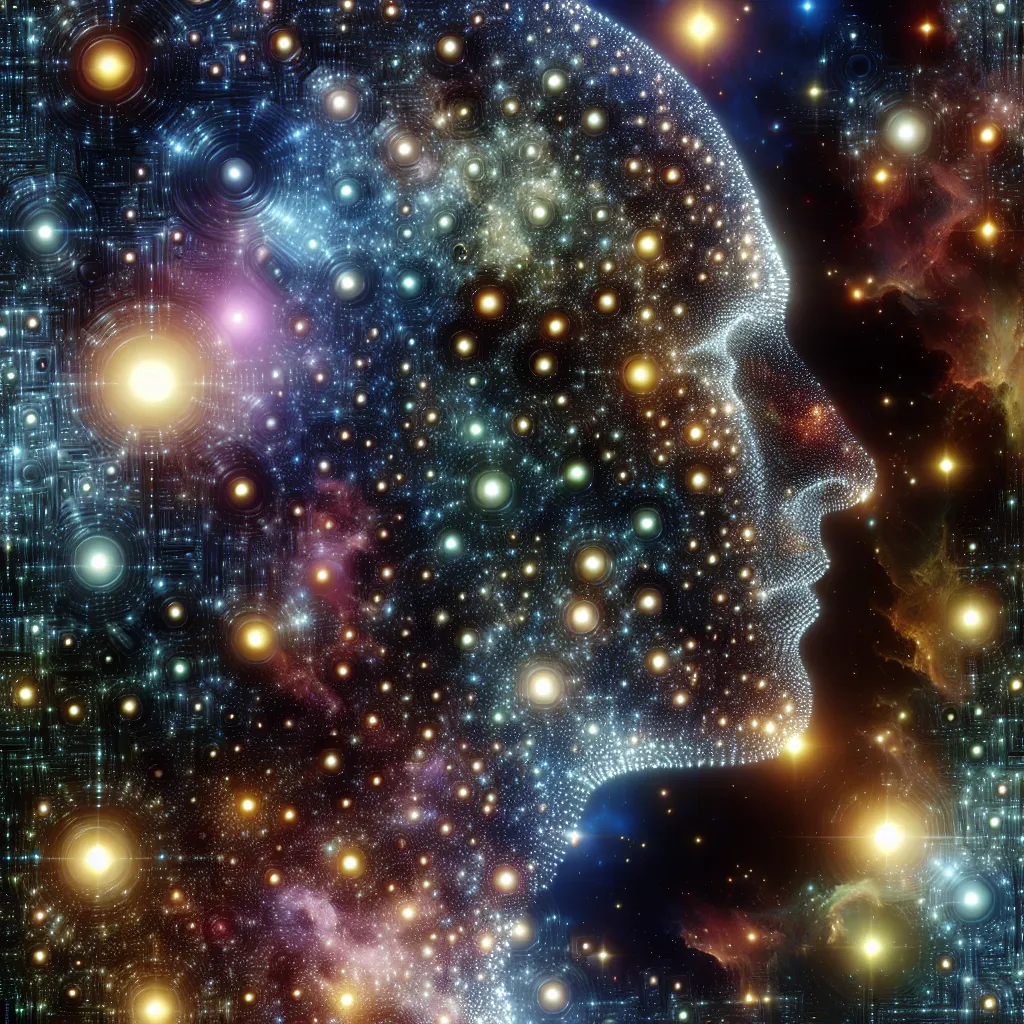
Are you your body? It’s a strange question, right? On the surface, it seems simple. But where do you draw the line before “you” stop being “you”?
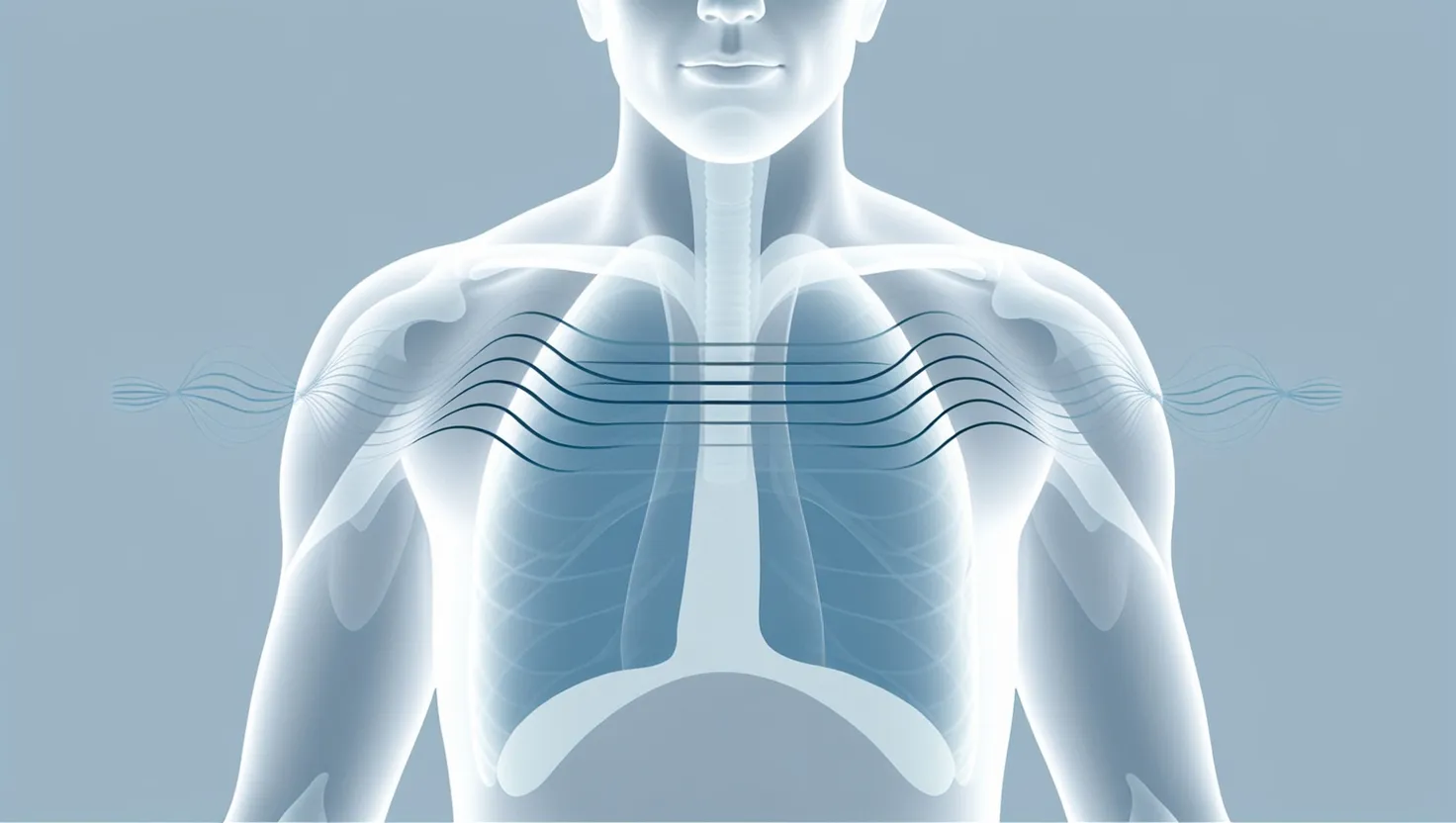
Your body houses trillions of cells, way more numerous than stars in the Milky Way. Each cell is like a tiny machine, alive but without consciousness or purpose. Together, they form complex systems to keep you going—digesting food, gathering resources, transporting nutrients, and scanning the environment. If you take a cell out of your body and put it in the right conditions, it might live for a while. The cells can exist without you, but you can’t exist without them. Strip away all the cells, and there’s nothing of “you” left.
But what if you donate an organ? Those billions of cells continue living in another person’s body. Does this mean a part of you lives on in them? Or is their body just keeping a part of you alive? Imagine a scenario where you swap cells with someone else, one at a time. At what point do they become you? Or would this just be a gross, slow form of teleportation?
It gets more complicated. The idea of ourselves as unchanging is false. Almost all your cells die and renew over your lifetime. In just seven years, most of your cells will have been replaced at least once. Every time this happens, you change a bit. So, if you live to an old age, you’ll have cycled through roughly a million billion cells. What you consider yourself is just a snapshot in this constant cycle.
Some cells don’t follow this cycle and become cancerous. They refuse to die, breaking the biological contract and becoming practically immortal. Cancer is a part of you, prioritizing its survival over yours. Yet, could you say a cancer cell becomes a separate entity with its own will to live?
Take Henrietta Lacks, a woman whose cancer cells, taken without her permission, have been living since 1951. These cells have been used in research for decades and have saved countless lives, growing to at least 20 tons of biomass. Is part of Henrietta living on in these cells?
Your genetic code was once believed to be the same in all your cells, but that’s not the case. Your genome changes over time through mutations and environmental influences, particularly in the brain. Brain cells in adults have thousands of unique mutations not found in nearby cells. So, how much of “you” is really in your DNA?
It turns out a significant part of our genome includes viruses that infected our ancestors. Even the mitochondria, the cell’s powerhouses, were once bacteria that merged with our cells’ ancestors and have their own DNA. An average cell has hundreds of them, not really human but still part of us.
We are made up of trillions of tiny, ever-changing parts. Together, we form a self-sustaining pattern that gained self-awareness and can reflect on itself through time and space. But this pattern only truly exists in the present moment. Where did it all start? At conception? With the first human? Or when life began on Earth? Perhaps even when the elements making up your body were forged in a star?
Our brains are wired for absolutes—beginning, end, life, death, you, me. But maybe these are just concepts trying to capture a fluid reality. Understanding who we are is a puzzle about our physical and mental selves, both of which can be divided and separated, yet somehow still connected.
Maybe our human experience is just a fleeting, beautiful pattern in an ever-changing universe.