What Secrets Do Neptune's Moons Hide About Our Solar System's Wild Past?
The Captivating Story of Neptune's Misfit Moons and the Dominance of Triton
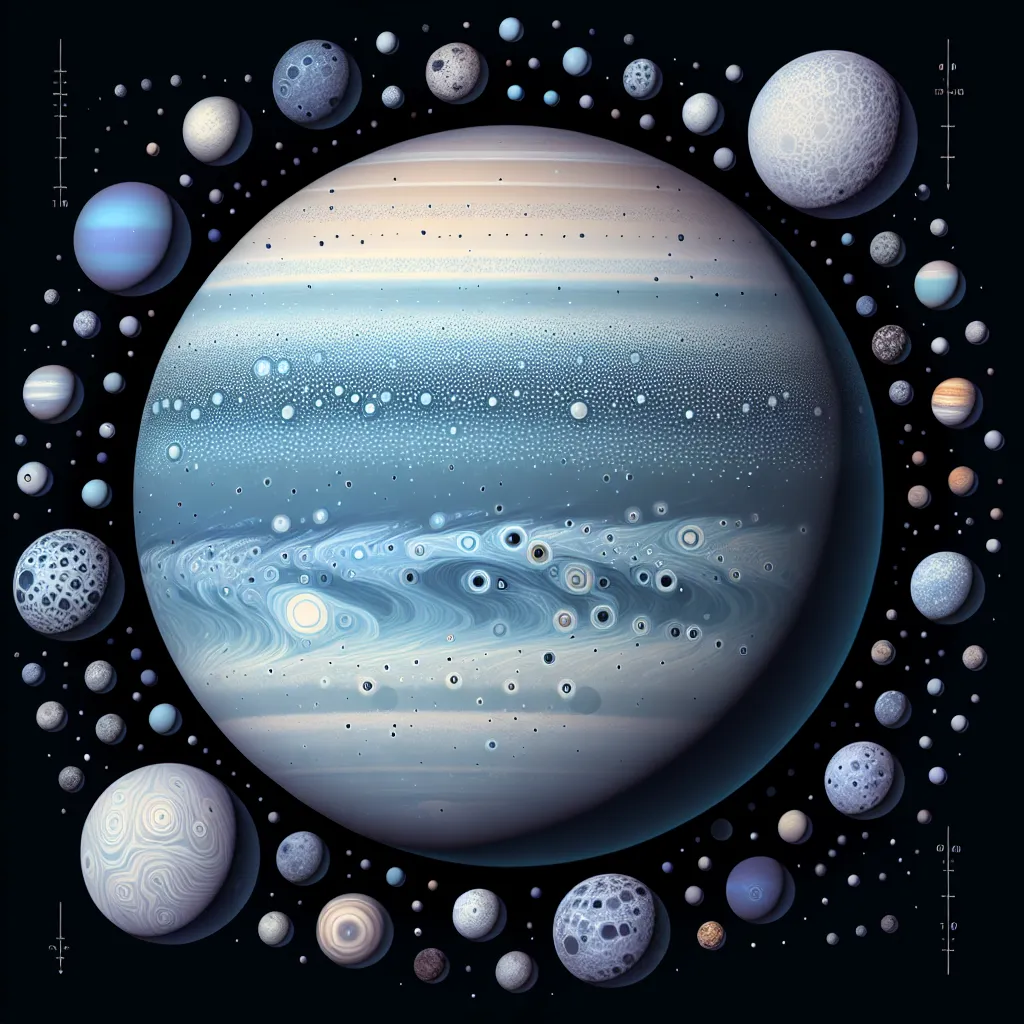
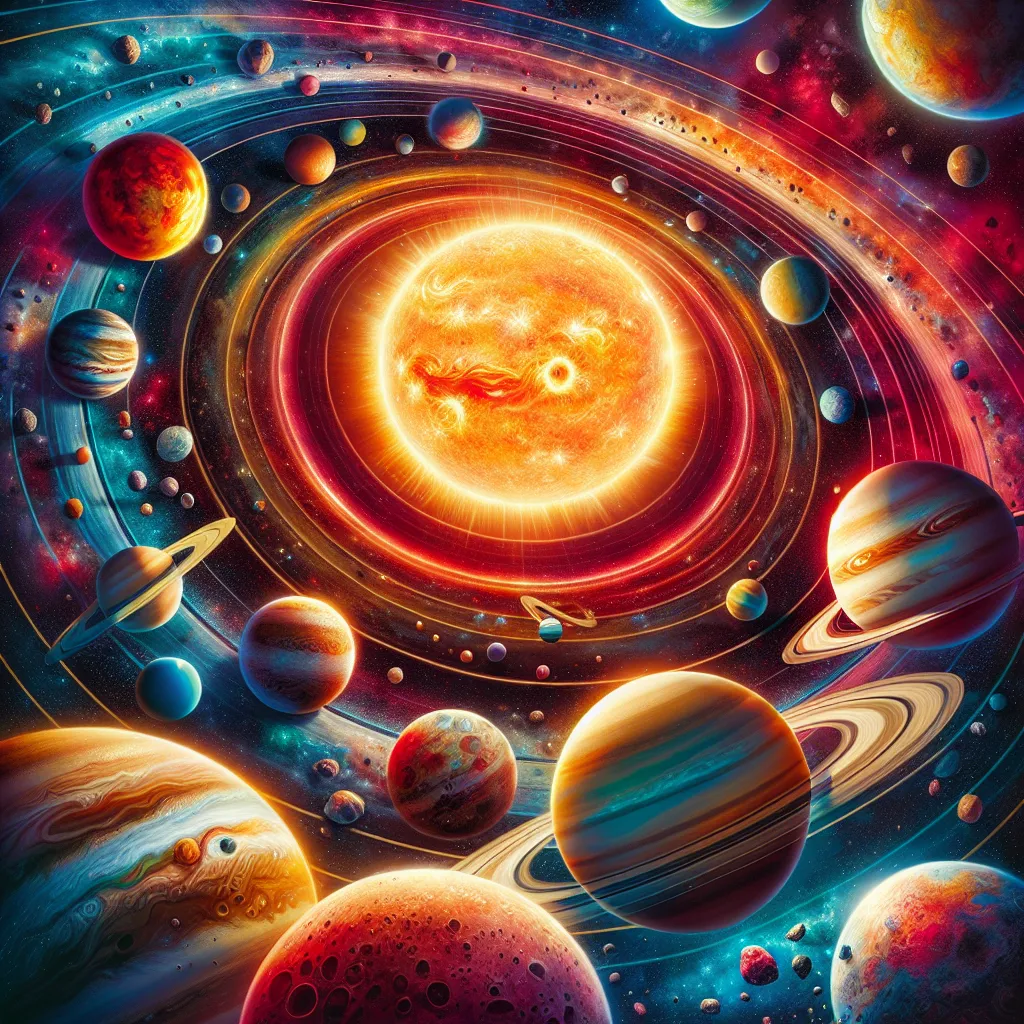
The moons of Neptune are quite the odd bunch. Most are small, potato-shaped bits of ice and rock. Some of them orbit so far from Neptune that it takes them 29 years to complete just one circle around the planet. Almost all of these moons are asteroids that got trapped by Neptune’s immense gravity.
Among these 14 moons, Triton stands out significantly. Triton holds 99.5% of all the mass found around Neptune. This makes it the seventh-largest moon in the solar system, possessing more mass than all smaller moons combined. Imagine combining Russia and Australia—that’s roughly the surface area of Triton.
One fascinating fact about Triton is that it’s one of only four objects in our solar system known to be geologically active. Even more intriguing is its backward orbit around Neptune. This unique characteristic suggests that Triton was not always Neptune’s moon. Most likely, Triton was a dwarf planet that got ensnared by Neptune’s gravitational pull during the chaotic youth of our solar system.
The popular theory is that Triton was once part of a binary system. When Neptune moved to the outer regions of the solar system, its gravity disrupted this binary system, ejecting the other object into space and capturing Triton in its orbit. This event probably wreaked havoc on the orbits of Neptune’s other moons, causing some to crash into Neptune or be ejected into space, leaving Triton as the dominant moon.
But Triton’s dominance won’t last forever. Neptune’s gravity is gradually slowing Triton down. Eventually, Triton will either crash into Neptune or break apart, forming a spectacular ring system similar to Saturn’s. So, if you’re thinking about investing in real estate on Triton, you might want to reconsider.