What Secrets Lurk Within NYC's Most Mysterious Skyscraper?
Hidden Stories in the Concrete Jungle: The Spy Tower Among Us
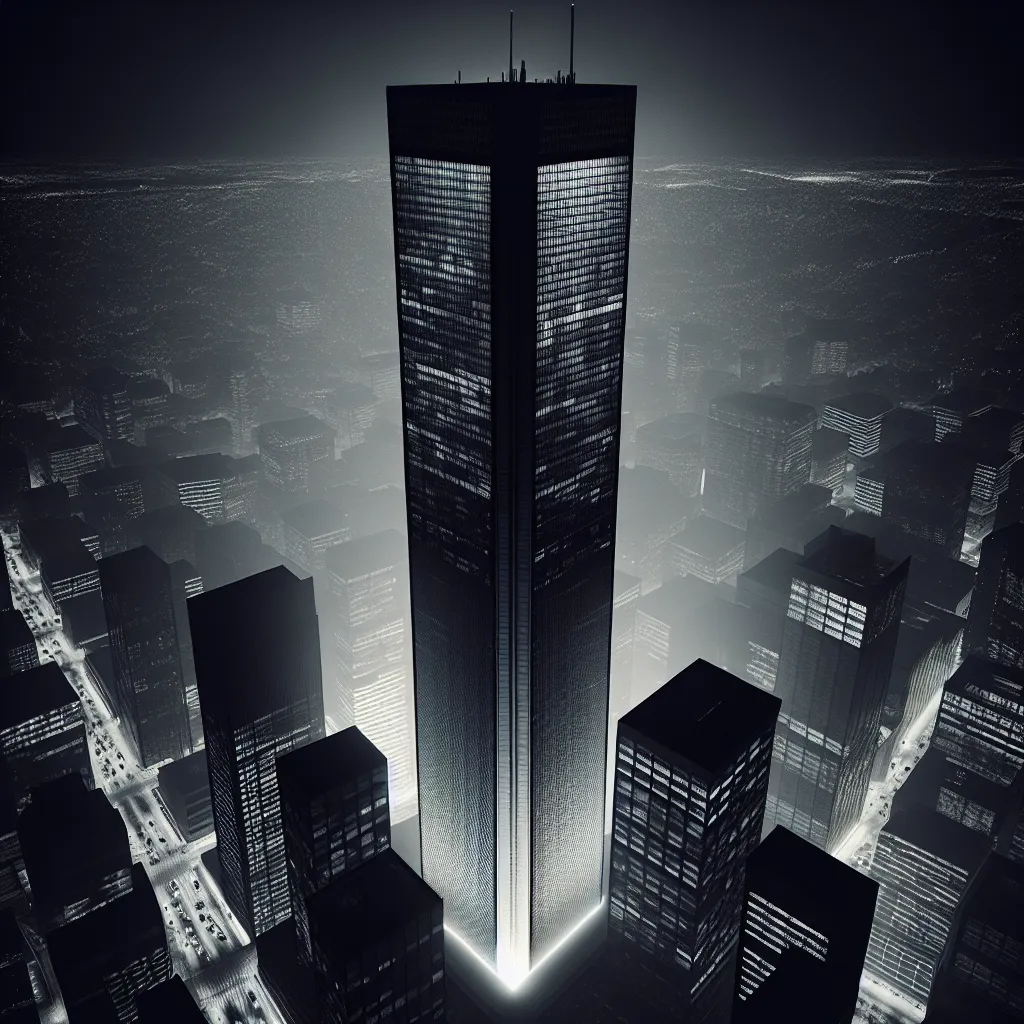
New York City boasts an impressive skyline filled with architectural diversity, from gothic and art deco styles to modern structures. Yet, one building stands out for its eerie plainness. Rising 500 feet with 29 storeys, 33 Thomas Street has no windows, lights, or markings. Officially an AT&T telecommunications building, it’s actually a secret NSA spy station from the Cold War era designed to withstand nuclear attacks.
Constructed between 1969 and 1974, this brutalist architecture masterpiece, often dubbed the most mysterious building in New York, has a deeper secret. Leaked documents by ex-NSA contractor Edward Snowden revealed its true identity as “Titan Point,” an NSA mass surveillance hub.
During the Cold War, fears of nuclear war led the U.S. to launch Project X—a program to create a nuclear-proof skyscraper. This fortress was designed primarily to safeguard computers and telecom equipment rather than people. It had no windows and could support 1,500 people for two weeks, but its purpose was much more clandestine.
AT&T has historically shown a high level of cooperation with the NSA. Documents disclosed that their facility at 33 Thomas Street has been a crucial site for mass surveillance. This includes monitoring phone calls, faxes, and internet data, often using full-take surveillance, capturing both metadata and content.
Congress attempted to regulate such activities with the Foreign Intelligence Surveillance Act (FISA), designed to limit spying on foreign nationals and agents of foreign powers. However, despite these regulations, reports show the NSA continues widespread surveillance. Snowden’s leaks further exposed the depth and breadth of this monitoring system, which targeted entities as significant as the United Nations and various foreign governments.
The tower, nicknamed the “Long Lines Building,” stands as a symbol of hidden agendas and the complex relationship between national security and privacy. With AT&T providing massive amounts of telecommunications data to the NSA, it’s evident that our digital footprints are less private than many believe.
Project Blarney, another NSA initiative, leverages partnerships to access global networks and has been cited for targeting vast swathes of communications for over four decades. It’s evident that surveillance is deeply embedded in modern telecom infrastructure, raising questions about the balance between security and individual liberty.
As citizens, it’s crucial to stay informed about how much data we’re surrendering in exchange for convenience. Surveillance extends beyond just insurgents or foreign threats; it infiltrates everyday communications, diminishing privacy. Reflecting on Benjamin Franklin’s words, trading liberty for security often leads to losing both.
Big tech companies like Google and Facebook also cooperate with government surveillance, blurring the line between public safety and personal privacy. The challenge is balancing these interests without compromising fundamental freedoms.
For now, the mystery of 33 Thomas Street, visible but invisible in Manhattan’s skyline, serves as a reminder to stay vigilant about how our digital age impacts privacy and freedom. Remember, always think twice before agreeing to those terms and conditions—it could mean more than just sharing your photos.
Thanks for sticking around with me today. If you found this interesting, don’t forget to like, share this post with your friends.