mysteries

Why Doesn't River Water Taste Like the Ocean?

Salt's Journey: Rivers' Gift to the Ever-Tasting Sea
Why Doesn't River Water Taste Like the Ocean?

Have you ever wondered why the ocean is salty, but rivers aren’t? It may surprise you to learn that most of the salt in the sea comes from rivers. Here’s how it happens.

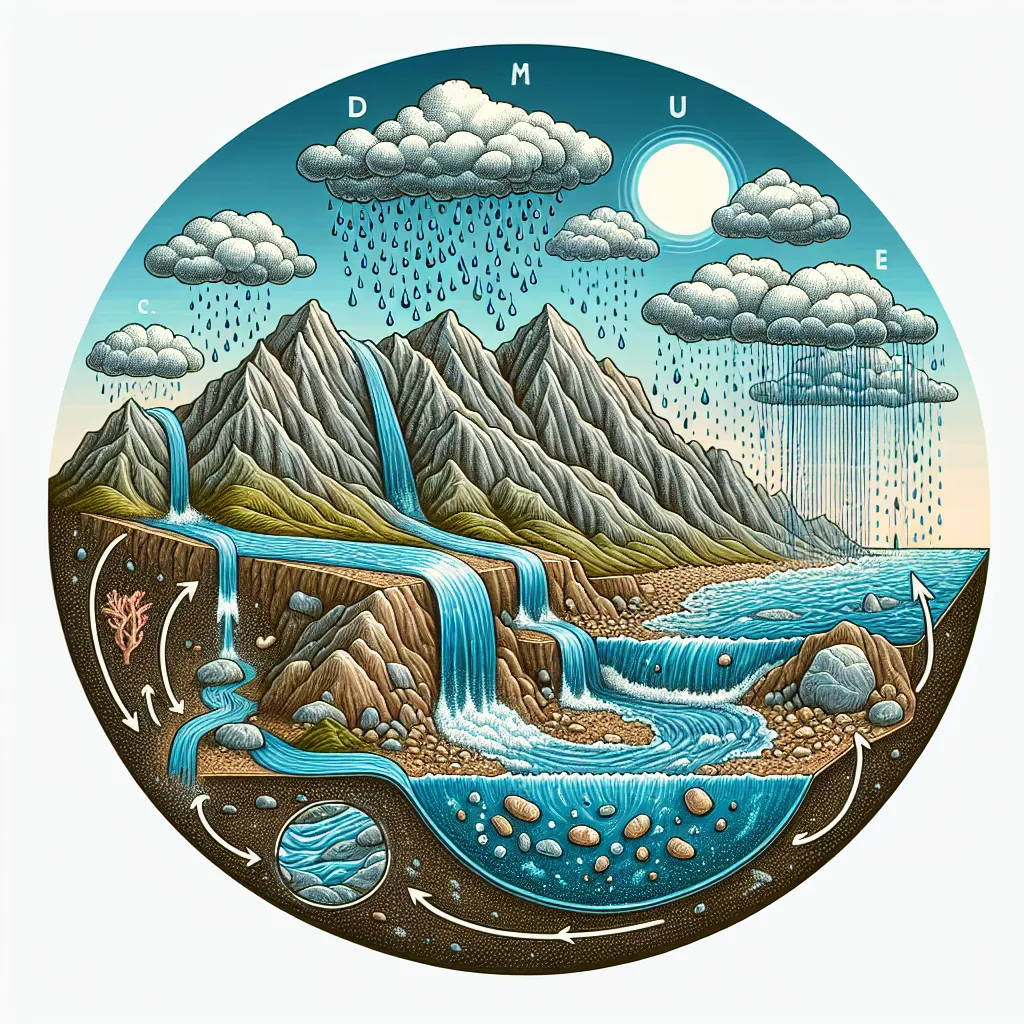
It all begins with ocean water setting off on a journey. Warm surface water evaporates and rises to form clouds. These clouds sometimes travel over land and rain down. As the raindrops fall, they absorb CO2 from the air, making them slightly acidic.

When rain hits the ground, these droplets start breaking down rocks and soil, washing out minerals in the form of ions. These ions then flow into rivers. The rivers carry these minerals to lakes or the ocean. Over time, the salts start to accumulate there.

When animals and plants consume the minerals, sodium and chloride ions are often left behind. These ions are what we know as salt. As rivers continue to dump salt into the ocean, the sea deposits some of it on the seafloor. This balance keeps the ocean’s salinity at a stable level of about 35 grams per liter on average.

The story is different for rivers. They don’t accumulate salt because they constantly move. They deliver minerals and small amounts of salt to larger bodies of water, like lakes and oceans. So, what goes into the river eventually flows out, keeping the river fresh and free from accumulating salt.

So next time you’re at the beach, you can impress your friends with the knowledge of why the ocean is salty and rivers are not.

Similar Posts
Blog Image
What If Tiny Robots Could Make You Live to 150?

Living 150 Years in a Clean-Energy World with Tiny Robots Shaping Our Future

Blog Image
Ancient Ocean Secrets: Mysterious Shadow Zones Hiding Quantum Anomalies and Unexplored Wonders

Dive into the ocean's shadow zones: ancient waters, quantum mysteries, and unexplored depths. Discover the secrets hidden beneath the waves and challenge your understanding of the deep sea.

Blog Image
Can You Really Stake a Claim in Space? Here's What You Need to Know

Wandering Through Space: Adventures and Legal Hurdles in Celestial Claims

Blog Image
Earth's Geological Mysteries Science Can't Explain: Moving Stones, Eternal Flames and Singing Deserts

Discover Earth's most baffling geological mysteries—from moving Death Valley stones to singing sand dunes and eternal flames. Explore unexplained phenomena that challenge science and ignite wonder about our planet's secrets.

Blog Image
Shocking Discovery: Mysterious Oxygen Source in Ocean Depths Baffles Scientists

Deep-sea oxygen mystery: Unexpected O2 production on ocean floor challenges scientific understanding. Polymetallic nodules may act as natural batteries, splitting water. Implications for deep-sea mining and exoplanet life detection.

Blog Image
**Scientists Finally Detect Milky Sea Phenomenon: Why 100,000-Square-Kilometer Oceans Glow White**

Discover the milky sea phenomenon: massive glowing ocean zones spanning thousands of kilometers. Explore the science behind bioluminescent bacteria and marine mysteries that defy explanation.