Will You Gamble on the Virtual Pizza Slice Worth Trillions?
Slices of the Global Money Pie: Navigating the Virtual Marketplace
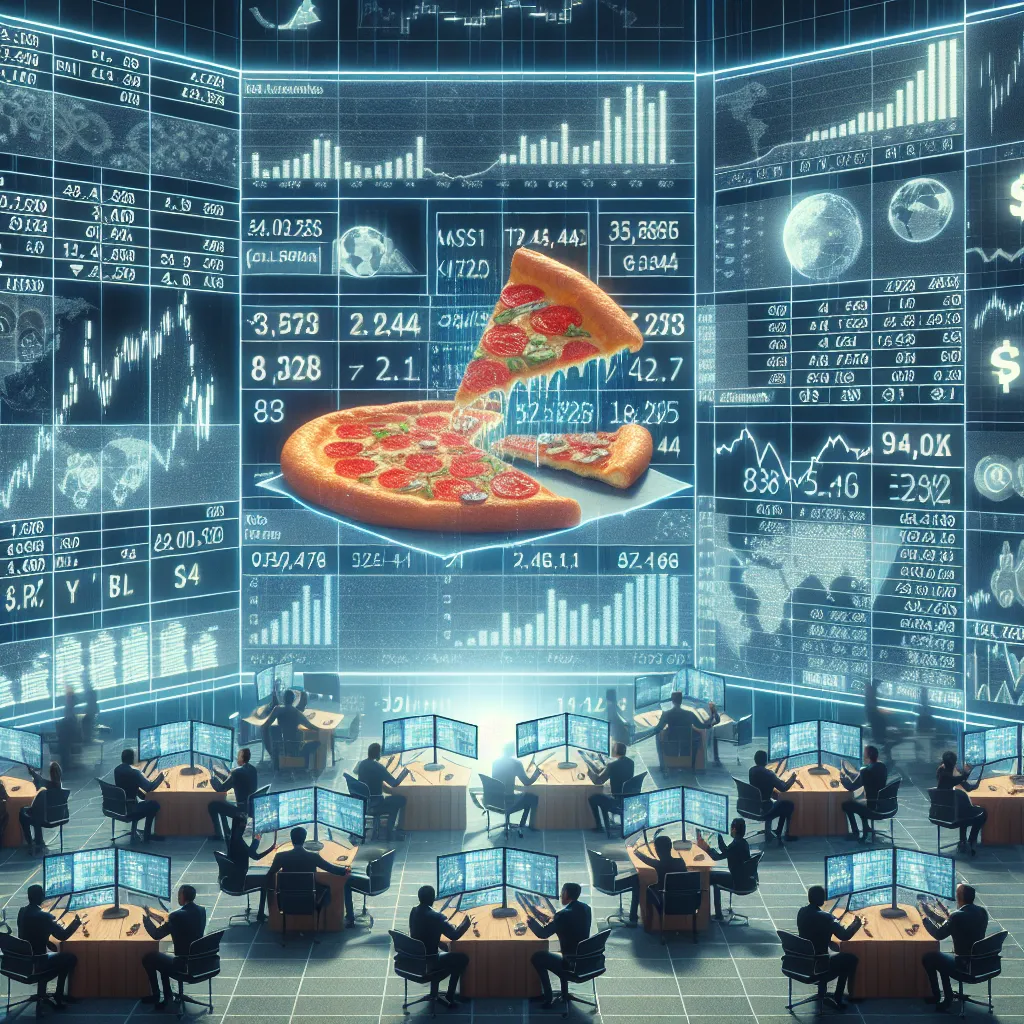
The Stock Exchange is like a huge global marketplace where a lot of money is exchanged every day. We’re talking about over sixty trillion euros a year, which is more than the combined value of all the goods and services in the world. But don’t think of fruits or old toothbrushes being traded here; it’s all about securities, mainly shares.
So, what exactly are shares? Imagine a share as a piece of a company. If a company were a pizza, owning a share means you own a slice of that pizza. The bigger the company (or pizza), the larger your share becomes. For example, if Facebook boosts its profits with a new business model, its overall value—and consequently, the value of its shares—goes up. A share that was 38 euros might now be 50 euros, offering shareholders a decent profit.
Companies like Facebook benefit from this by raising funds through selling their shares. Facebook, for instance, made sixteen billion dollars from its initial listing on the Stock Exchange. But trading shares is often a gamble because predicting which company will succeed is anyone’s guess. Companies with good reputations attract more investors, while those with poor track records struggle to sell their shares.
Unlike a traditional market where you can touch and take home goods, the Stock Exchange deals in virtual goods. Share prices appear as numbers on monitors and can fluctuate within seconds. Shareholders must act fast to seize opportunities. Sometimes, even a simple rumor can cause share prices to plummet or soar regardless of a company’s actual value.
Interestingly, if many people see potential in a weak company and buy its shares, their value can rise. This is particularly beneficial for young companies. Even if their sales are down, they can generate cash by placing their shares on the market. The best outcome? Their ideas become reality. The worst? A speculative bubble that eventually bursts.
Germany’s largest thirty companies’ value is represented in the DAX share index. The DAX gives a snapshot of how well or poorly these big players and the economy as a whole are doing. Similar indices exist in other countries, all linking together to form a globally connected marketplace.