5 Mind-Blowing Memory Mysteries Science Can't Explain: From False Memories to Perfect Recall
Discover 5 fascinating mysteries of human memory—from childhood amnesia to false memories and super-rememberers. Explore how your brain stores, alters, and sometimes betrays your past. Read more now.
Every day, I trust my memory to guide me—whether remembering a friend’s birthday, recalling a childhood story, or simply finding my parked car. Yet, beneath this constant reliance lies a universe of unanswered questions. How does the mind store a lifetime of details and sensations? Why do certain moments vanish, while others remain engraved? As I’ve dived into research, five mysteries about human memory continue to astonish me, sparking debate, wonder, and even concern among scientists worldwide.
Let’s begin with something you and I both have experienced: childhood amnesia. Most people, no matter how hard they try, cannot recall events from before the ages of three or four. Try as I might, fragments of babyhood remain out of reach, as if shrouded in fog. Why? Some researchers suggest it’s because the brain’s memory machinery simply isn’t mature enough at that age. Others propose a subtler twist: our memories were formed, but the way we interpreted the world as infants was so fundamentally different, our adult minds can’t translate those experiences. Culture even plays a role—people raised in certain societies seem to report earlier childhood memories than others. Consider this: Is it possible my first years are not gone, just hidden behind a barrier of language, perception, or neural wiring?
“The true art of memory is the art of attention.” — Samuel Johnson
If childhood amnesia guards the gate to our earliest days, false memories patrol the territory of our lived past. It’s deeply unsettling but scientifically proven: The brain sometimes creates detailed, convincing recollections of events that simply never happened. I find myself questioning—can I trust even my most vivid memories? Studies show false memories can be implanted with surprisingly little effort, especially when suggestion or social pressure is involved. Sometimes, telling a story repeatedly can solidify the memory, true or not. The tale stops being a story and becomes reality. This quirks the very fabric of our personal histories. Why is memory so vulnerable? One theory is that our system of recalling is more like reconstructing than replaying. Each retrieval alters the original, prone to new interpretations, mistakes, and outside influence.
“I can remember anything, whether it happened or not.” — Mark Twain
Have you ever met someone who remembers what happened on any given date decades ago? A handful of people possess highly superior autobiographical memory (HSAM). They can quickly and accurately recount the most ordinary details of days long past. I’m fascinated by these rare individuals—one woman can track the weather, headlines, and even her own mood from any date you give her. What makes their brains special? Interestingly, these folks don’t necessarily have higher IQs or photographic recall in other areas. Brain imaging shows certain compartments in their brains, especially those tied to self-reflection and habits, might be wired a bit differently. Yet science can’t pinpoint whether this is cause or effect. Could it be upbringing, obsession, or an unknown genetic gift? That’s still up for discussion.
Then there’s the mystery of memory and aging. Why do some elderly people recall names, faces, and stories with ease while others lose track of even recent events? I find it intriguing that memory decline with age isn’t universal—factors like education, social life, and physical health all seem to matter, but their influence isn’t absolute. Genetics certainly play a role, but there are super-agers, people in their 80s or 90s with sharper memories than people half their age. Researchers are still untangling what keeps minds resilient. Is it a lifetime of mental gymnastics? Potent social connections? Or is it just luck? Perhaps the biggest question is: How much influence do we have over our brain’s longevity?
“Memory is the diary that we all carry about with us.” — Oscar Wilde
Let’s pause for a moment—what would it mean if we could actually manipulate memory? The prospect once sounded like science fiction, but it’s now the cutting edge of neuroscience. Imagine erasing a traumatic memory, or perhaps, editing your recollection of an awkward moment at a party. Some breakthroughs suggest it’s possible to disrupt, weaken, or even erase targeted memories. At first glance, such techniques could help those suffering from disorders like PTSD. But I’m compelled to ask: What risks come with altering memory? Could removing pain mean stripping away essential parts of identity? Who chooses what’s kept and what’s deleted?
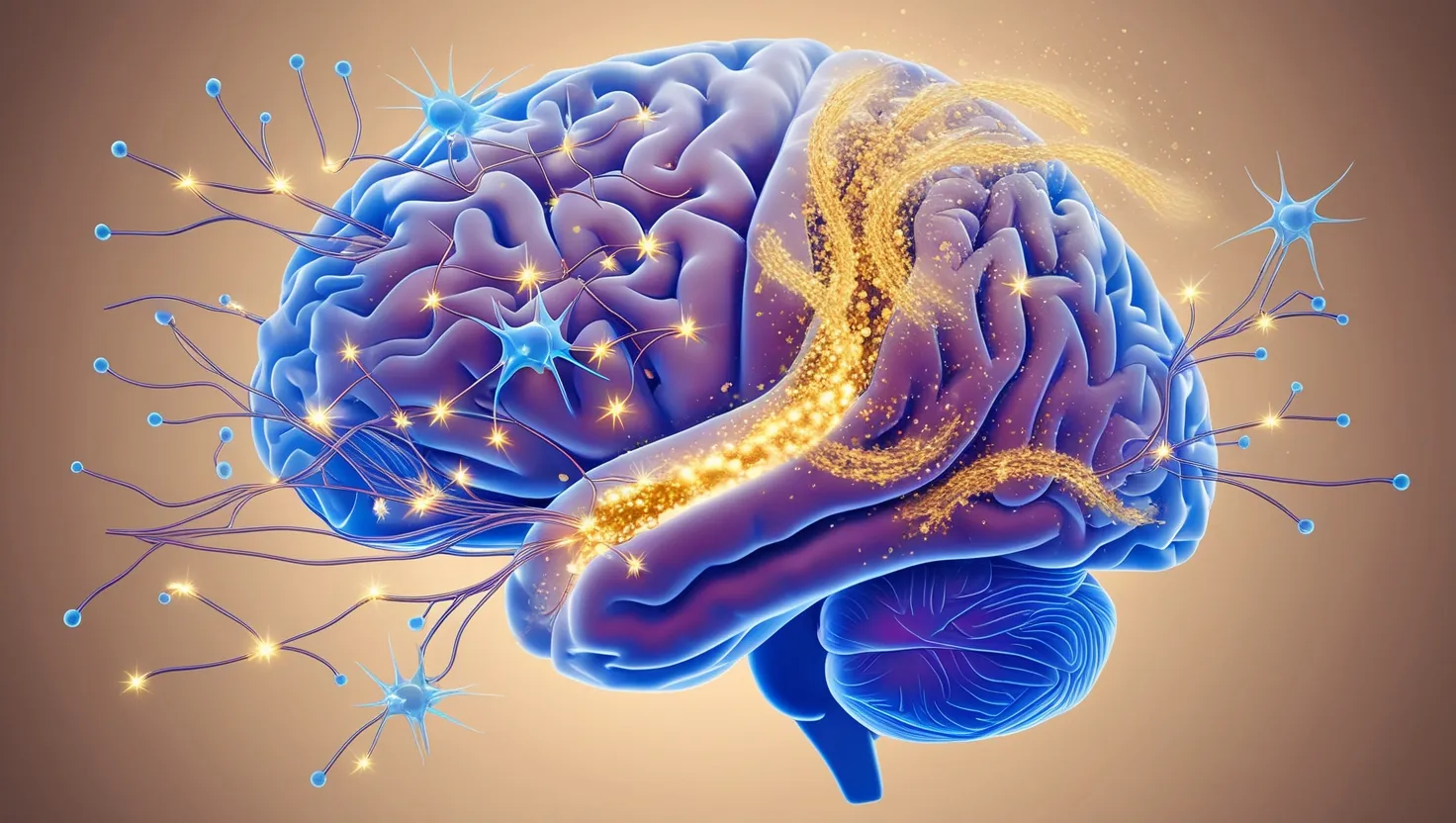
Memory, I’ve learned, might not be stored as a simple recording but as dynamic patterns sculpted across networks of brain cells. Even here, new research is pushing boundaries. Recently, attention has shifted from classic neuron-based theories to the possibility that overlooked support cells—astrocytes—may help power the brain’s remarkable storage. These star-shaped cells communicate with millions of synapses, suggesting a far greater capacity and complexity within the brain. Am I just scratching the surface of what memory storage means?
I’m struck by another recent revelation: memory formation is more about change than stasis. Every memory I hold is not simply written once and kept, but reconstructed and sometimes even transformed every time I recollect it. Each retelling, each act of remembering, rewires connections and updates details—sometimes for the better, sometimes sowing confusion.
“The palest ink is better than the best memory.” — Chinese proverb
Let me bring this closer to home with a question: Can you trust your oldest memory? What details stand out and which are blurry? If you could, would you change any part of your past as you remember it? This field demands both humility and curiosity—every answer reveals a fresh puzzle.
Here’s where things take an even more unconventional turn. Did you know that accessing a memory doesn’t always mean reliving it directly? Sometimes, our brain transforms what we’ve stored to fit our current needs, extracting the meaning or lesson and not the event itself. That may be why our recollections may differ from siblings or friends who shared the same experiences. Our brains seem to prioritize what is useful or meaningful, not what’s factually correct.
And what about those moments where memories just seem to disappear—like walking into a room and forgetting why you entered? This phenomenon is more than absentmindedness. It might be a glimpse into how the brain’s “working memory” juggles multiple demands and sometimes just drops a ball.
Memory’s puzzle expands when we consider that some memories are physically present but functionally inaccessible—lost not due to erasure, but to the inability to trace the neural path. Are they recoverable? Occasionally, a scent, sound, or even a random word brings something back that was long out of reach, hinting that the past may not be as lost as it sometimes feels.
“The advantage of a bad memory is that one enjoys several times the same good things for the first time.” — Friedrich Nietzsche
I can’t help but marvel at the strange plasticity of memory. Sometimes it requires my full attention; other times, details pop up unbidden, triggered by cues I barely notice. Some research suggests memories can even become entwined, blending stories or generalizing details under stress. This malleability, while frustrating, might be what enables creativity, adaptation, and even forgiveness.
What about the practical side? If memory is so unreliable, what does it mean for eyewitness testimony, therapy, or even learning? It compels me to approach my own recollections—and those shared by others—with a healthy dose of skepticism and empathy.
Looking ahead, I wonder: will the next generation of brain science let us safeguard memories indefinitely? Will we one day download or share them as easily as we now send photos? Even if we can, should we? For now, living with imperfect, changeable memory seems to be part of being human—a reality equal parts frustrating and fascinating.
So the next time you pause to remember, ask yourself: What am I really recalling—and, just as important, what am I missing? Behind every answer, there is a universe of uncertainty, and in that space, the extraordinary riddle of memory continues to bewilder and inspire.