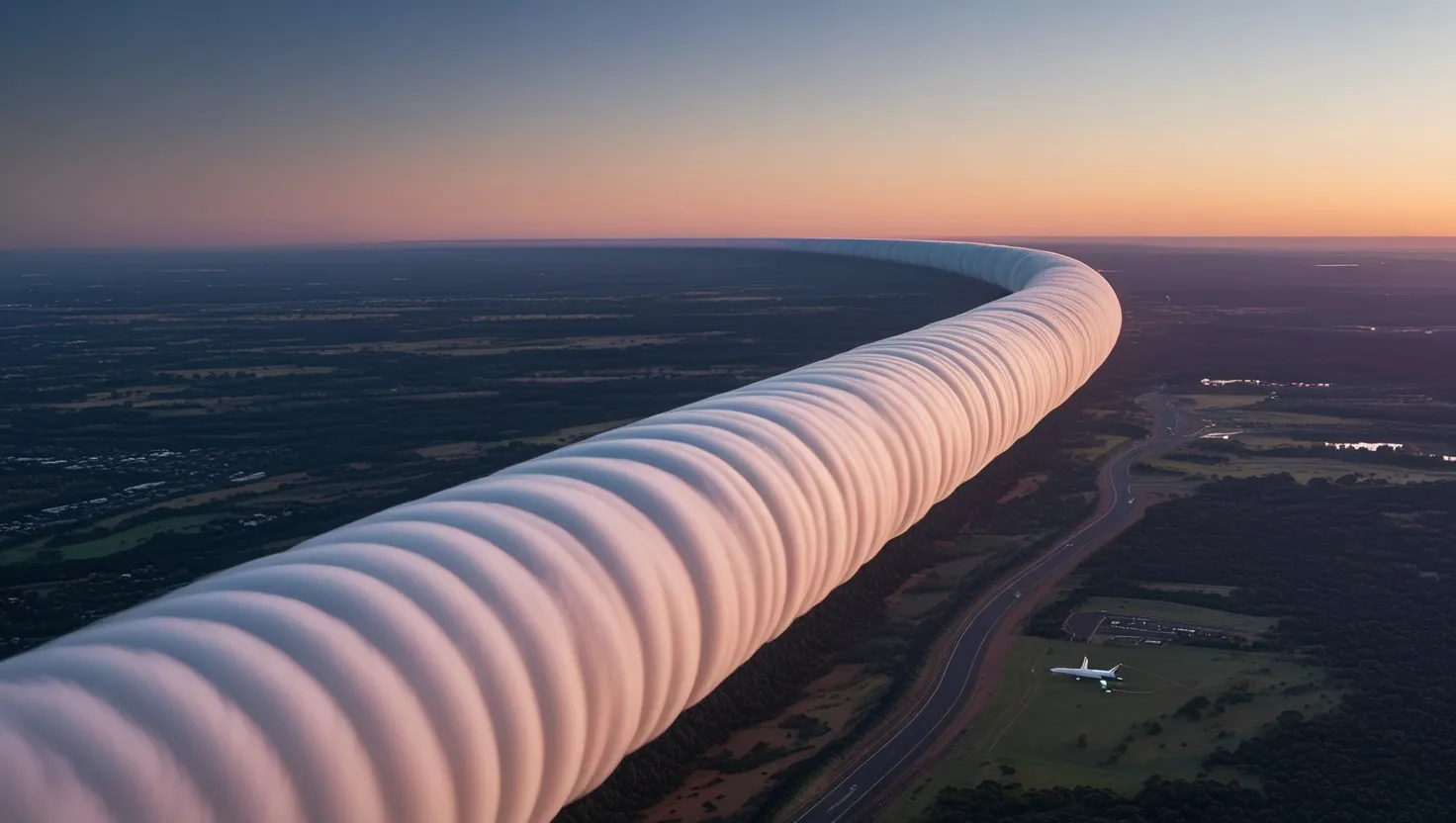
Imagine looking up at the sky and seeing a giant tube of cloud rolling toward you like a wave from another world. That’s just one of the wild weather tricks Earth pulls on us. Our planet’s atmosphere doesn’t just do rain and sunshine—it creates stuff that makes you wonder if we’re in a movie. Today, let’s talk about five bizarre weather mysteries that scientists have caught on camera but still can’t fully explain. Stick with me; I’ll break them down super simple, like chatting over coffee, and throw in some questions to get you thinking.
First up, morning glory clouds. Picture this: a perfect, long cylinder of cloud, sometimes over 600 miles wide, tumbling across the sky. They show up mostly in northern Australia in the early morning, looking like a smoky rollercoaster. Pilots love chasing them for the smooth ride inside, but why do they form so neatly? Sea breezes crash into stable air layers, but the exact mix that makes one giant tube instead of a messy blob? Nobody knows for sure. Models try to guess, but nature keeps it secret.
Have you ever seen a cloud that looks like it’s been punched with a huge cookie cutter? That’s fallstreak holes, number two on our list. These are big round gaps in fluffy mid-level clouds, sometimes miles wide. Supercooled water droplets—tiny bits of water colder than freezing but still liquid—suddenly turn to ice. They fall, dragging others with them, leaving a perfect circle. Planes flying through often trigger it by bumping the droplets. But why such sharp edges? And what if no plane’s around—does wind do it? Scientists puzzle over that geometry every time.
“The sky is not just a backdrop; it’s alive with forces we barely grasp.” — A nod to pilot Dick Smith, who flew into morning glories and marveled at their power.
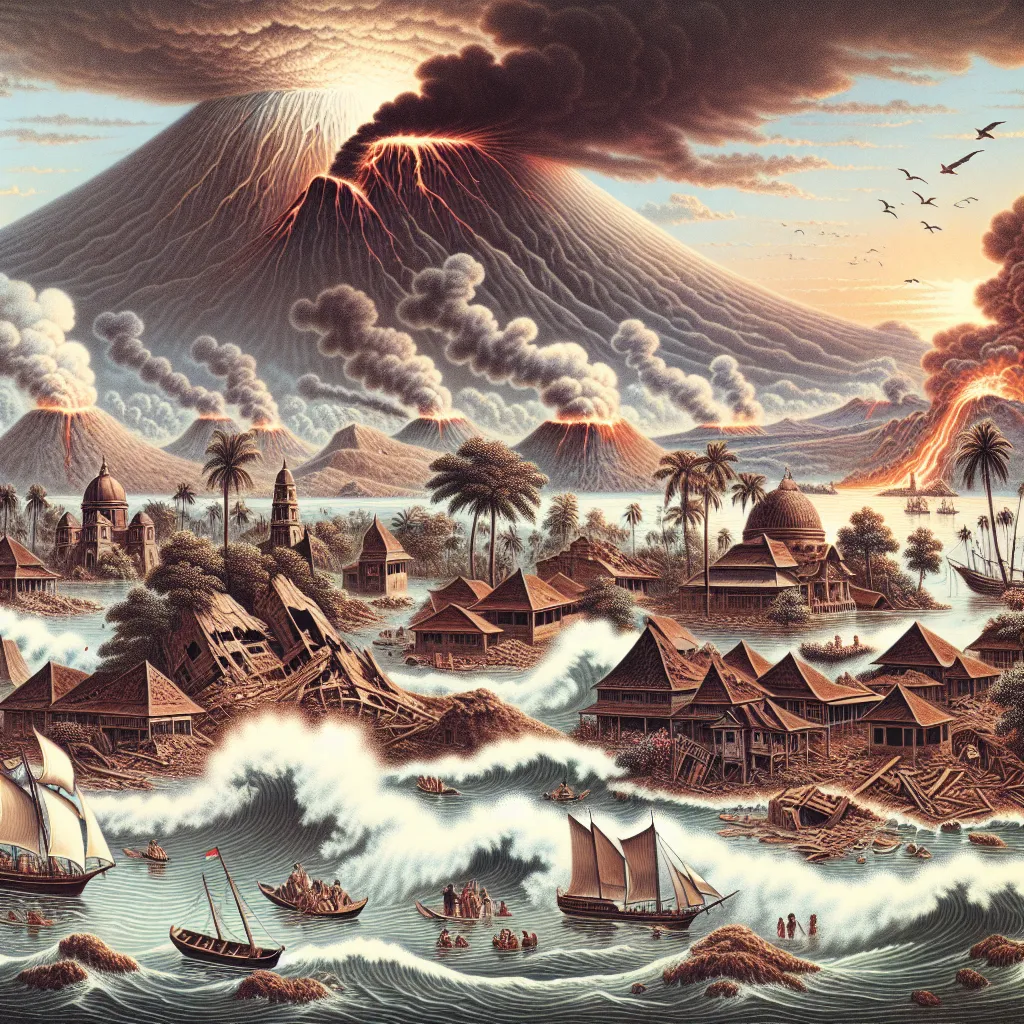
Now, think about volcanoes. When one blows, you expect ash and lava, right? But sometimes lightning cracks inside the plume—volcanic lightning, our third mystery. Ash particles smash together in the rising column, building up electric charge like rubbing a balloon on your hair, but way bigger. Those bolts can be massive, lighting up the dark smoke. Researchers chase the “how much collision makes how big a zap” question. It’s not like regular storm lightning; the ash friction creates storms from scratch. Next eruption, watch for those forks—nature’s own fireworks show.
What would you do if glowing blue fire danced on your ship’s mast during a storm? That’s St. Elmo’s fire, number four. It’s plasma—a hot, glowing gas—formed when thunderstorms push so much electricity that it leaks off sharp points like antennas or airplane wings. It looks like a steady flame, bluish and spooky, lasting minutes. We get it’s a type of corona discharge, but why does it dance and hold shape instead of just sparking once? Sailors once thought it saved them, calling it a saint’s gift. Today, pilots report it mid-flight—eerie, right?
Ever wondered what happens way up above a thunderstorm, where lightning can’t reach? Enter sprites, elves, and jets—our fifth mystery. These are huge electric bursts shooting up from storm tops into space, red and jellyfish-shaped or carrot-like. Sprites flicker for milliseconds, elves spread like halos, blue jets rocket upward. High-speed cameras and satellites catch them now, but triggers? Maybe regular lightning below zaps the upper air oddly. Shapes vary because of thin air chemistry up there—fluid dynamics in the ionosphere. They’re silent giants, 30 miles tall, invisible to the eye until tech spots them.
Let’s circle back to morning glory clouds because there’s a lesser-known twist. These rollers don’t just hang out—they move at 25 miles per hour, perfect for glider pilots to surf for hours without engine power. In the 1980s, a team rode one 100 miles. But get this: similar tubes pop up rarely elsewhere, like over the Gulf of Carpentaria only under specific tide and wind setups. Why not everywhere with sea breezes? Atmospheric stability has to be just right—no wobbles allowed. Imagine if we could make them on purpose for endless free flights.
Question for you: If you spotted a fallstreak hole from the ground, would you blame a plane or something weirder? Turns out, gliders and even birds might trigger them too, but most cases link to jets slicing through. The hole spreads fast because falling ice crystals create a chain reaction, evaporating the cloud around. Unconventional angle: these holes reveal how fragile clouds are. One nudge, and poof—perfect circle. Scientists model it with supercomputers, but real life adds wind shear that messes predictions.
Volcanic lightning gets crazier in Iceland’s Eyjafjallajökull eruption of 2010. Bolts lit the ash cloud for days, grounding planes worldwide. Lesser fact: the charge builds from tiny glass shards in ash rubbing like static on wool. But why do some volcanoes lightning-up and others stay quiet? Gas content and plume height matter, but it’s hit-or-miss. Picture standing near one—deafening cracks amid rumbling earth. Research now uses drones to measure inside plumes, risking it all for clues.
“Lightning is the whip of the storm god.” — Ancient sailor lore on St. Elmo’s fire, whispered before modern science explained the glow.
St. Elmo’s fire loves tall ships and mountain peaks too. During World War II, pilots saw it coat propellers blue, thinking it was enemy fire at first. Why sustained flame? High voltage needs humid air and a strong point to focus. But the dancing? Air ions swirl around, pulled by electric fields. Historical bit: Christopher Columbus saw it on his mast October 11, 1492—next day, land! Sailors prayed it away bad luck. Today, it zaps oil rigs. Ever felt that tingle before rain? Mini-version.
Upper-atmosphere dancers like sprites hide another secret. Elves—short for ELVES, emitting low-frequency energy—ring out from lightning’s electromagnetic pulse, expanding 200 miles wide in seconds. Jets shoot blue like rockets, lasting longer. Why varied shapes? Upper air’s too thin for normal lightning paths; electrons avalanche differently. Satellites like ISS catch hundreds yearly. Fun fact: they’re harmless to us but hint at space weather ties—solar storms might amp them up.
Do these mysteries connect? Kinda. All involve charge, water, or air layers clashing in ways we half-get. Morning glories need stable inversions; fallstreaks break them. Volcanic zaps mimic thunderclouds; St. Elmo’s is lightning’s cousin. Sprites bridge storms to space. Unconventional view: they’re not bugs in weather—they’re features showing Earth’s atmosphere as one big electric soup.
Let’s dig deeper on fallstreaks. Called hole-punch or cavum clouds, they stunned pilots first in the 1940s over Texas. One hole grew to 50 miles across! Trigger mystery: plane wings make vortex rings that spin droplets to freeze. But perfect roundness? Gravity and wind align the fall just so. What if climate change chills clouds more—more holes? Rare now, but warming might super cool some layers.
Volcanoes teach us lightning isn’t just water-based. Eruptions like Chile’s Calbuco in 2015 had sheets of purple bolts. Research shows particle size matters—finer ash, bigger charge. Lesser-known: it predicts eruption power. More lightning, bigger boom ahead. Drones sniff sulfur to map it, but ash eats electronics fast.
“In the glow of St. Elmo’s fire, the sea whispers secrets of the sky.” — Mark Twain, after a stormy Mississippi night.
St. Elmo’s on modern tech? It shorts circuits on wind turbines, blue flames flickering at tips. Why dancing flame over spark? Voltage gradient hits critical—air ionizes steadily. Lore lingers: Venezuelan lake fishermen see it on oars, call it soul lights. Atmospheric mystique lives.
Sprites evolve our view. First photo 1989 by accident—thought fake. Now, we know red from excited nitrogen glowing. Elves pulse with lightning’s radio waves. Jets? Maybe sprites gone speedy. Perspective: these prove thunderstorms pump energy to space, like global batteries. Solar flares tweak them—bad space weather incoming?
Back to morning glories. Aboriginal Aussies called them “dragon clouds.” Rare sightings in Texas hint global potential, but Australia’s tides perfect it. Surf one? Zero turbulence inside, like a tunnel. Why solitary? Breeze timing—miss it, no tube.
Imagine predicting these. Apps for rain exist; why not sprite alerts? Cameras watch now, but fluid dynamics lag. Earth’s air is chaotic—tiny changes, big shows.
Question: Which mystery blows your mind most? Fallstreak holes look alien; sprites reach orbit. Volcanic lightning feels primal. All show gaps: we model weather, but edges surprise.
Unconventional angle: these aren’t rare flukes—they’re normal, just unnoticed. Satellites spot more now. Climate shift? Warmer air might stabilize glories or chill fallstreaks. Volcanoes amp with meltwater. St. Elmo’s on drones? Sprites with bigger storms?
“The atmosphere is a canvas painted by invisible hands.” — Inspired by glider ace Paul Ciccarelli on glory flights.
Direct you now: next storm, scan for glows or jets on apps. Chase a glory if you’re down under—safely. These mysteries remind us: sky’s full of unknowns. Science chips away, but wonder stays. Earth’s weather? Bizarre, beautiful, begging questions. What will you spot first?
(Word count: 1523)