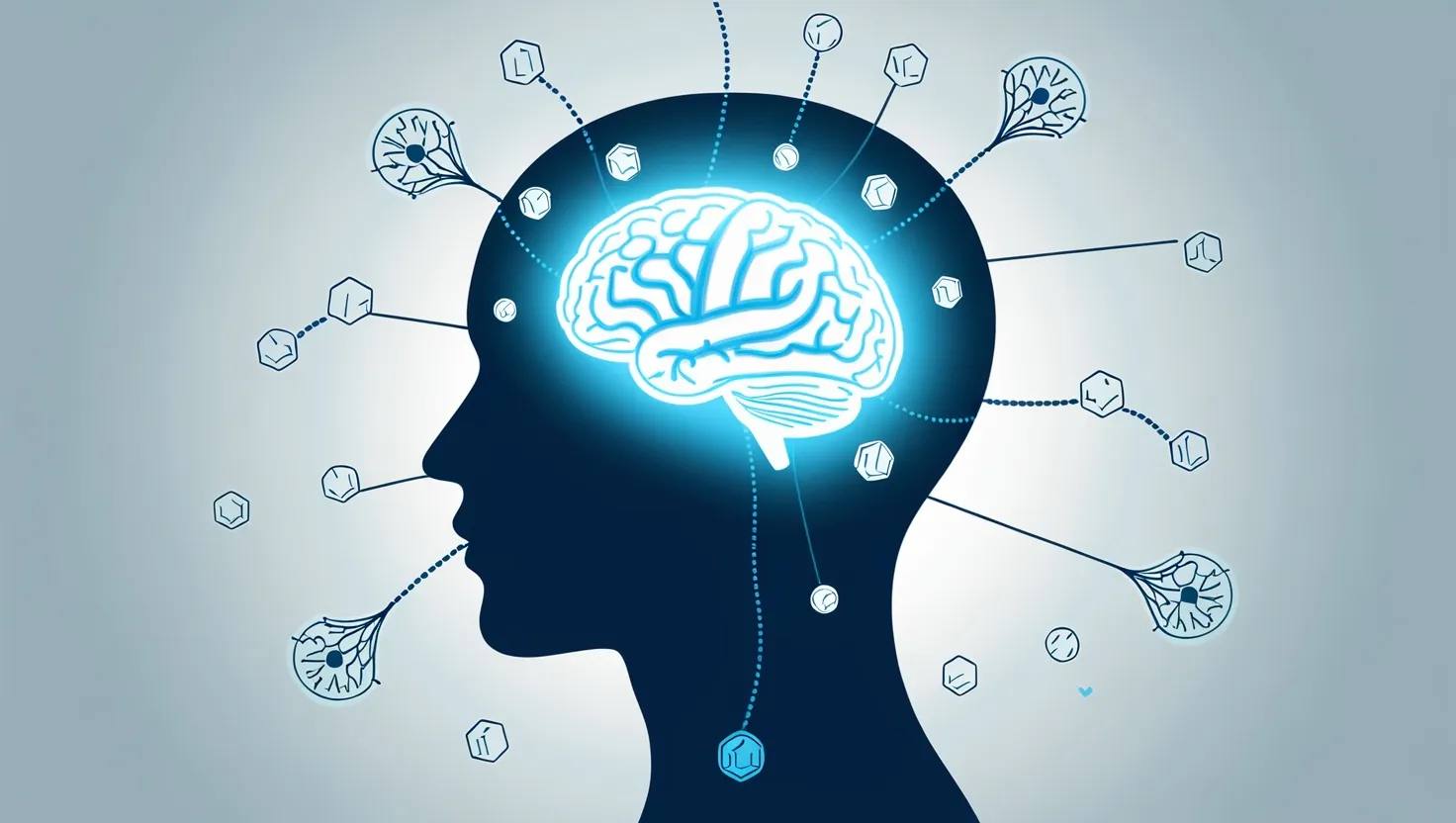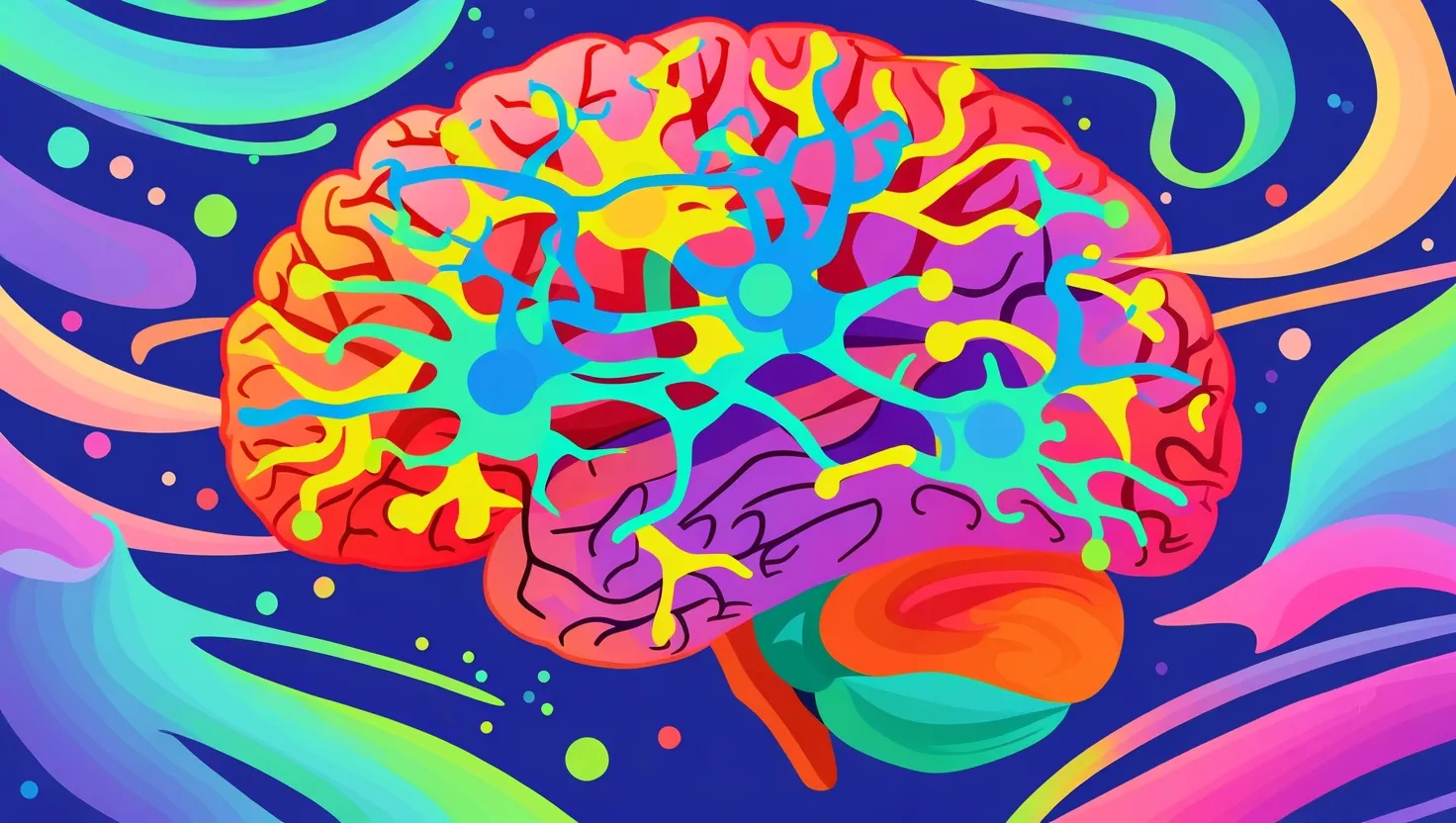
Imagine this: you have inside your skull the most amazing machine ever. It’s your brain. It thinks, feels, dreams, and keeps you alive. But guess what? We still don’t fully get how it works. Parts of it stay hidden, like secrets in a locked room. Let’s walk through five big puzzles about this silent wonder. I’ll explain them super simple, like we’re chatting over coffee. Stick with me—you’ll see your brain in a whole new light.
First puzzle: your brain can lose huge chunks and still act normal. Doctors sometimes cut out big pieces to stop bad seizures. People wake up, remember their lives, and keep their personalities. How? Your brain has backups everywhere. Think of it like a city with extra roads. If one gets blocked, traffic flows on others. I want you to picture this—neurosurgeons slice away tissue the size of a fist. The person chats, laughs, even solves puzzles right after. Wild, right?
“The brain is a wonderful organ; it starts working the moment you get up in the morning and does not stop until you get into the office.”
— Robert Frost
But here’s a lesser-known twist: this spare power hides in quiet spots. Cells in unused areas wake up fast. They grab jobs from lost neighbors. No maps show exactly how. Ever wonder if your brain could handle losing half? Studies on split-brain patients show yes—they live fine, but one side can’t name what the other sees. Try this: cover one eye and imagine seeing only half the world. Your brain fills it in. That’s the magic.
Now, shift to memory. How does your brain save grandma’s cookie smell from years ago? We found spots called engrams—tiny neuron groups that hold traces. But pulling one out? That’s the mystery. It’s not like a file on your phone. Neurons fire in patterns, weave smells, sights, feelings together. One whiff triggers the whole scene. Why can’t we copy that into computers yet?
Ask yourself: what if memories aren’t stored whole, but built fresh each time? New views say yes. Your brain remixes bits during recall. That’s why eyewitnesses mess up details. False memories sneak in easy. I tell patients: test your own. Recall your fifth birthday. See how colors shift? Lesser fact: rats “replay” maze paths in sleep. Their cells buzz the exact route. Humans do it too—dreams sort your day. What memory from last week surprises you most?
“Memory is the treasure house of the mind wherein are stored the things that we have dearly bought, the things we have learned by heart.”
— Plato
Perception is next—your brain’s big guess game. It gets scraps from eyes, ears, skin. Then builds the full picture. Blanks get filled. That’s why illusions fool everyone. Stare at a spinning wheel; it rolls backward. Or the dress that looks blue or gold. Private worlds form here—hallucinations feel real. Ever trip on tiredness and see shadows move?
Unconventional angle: brains vote on reality. Groups of neurons argue, winner takes all. One loses, you see wrong. Lesser-known: spirals in brain waves link far areas. They spin like whirlpools, chat across folds. Immune cells hide in secret shields too, guarding waste drains. Question for you: next time an optical trick hits, does your brain trick you or build truth?
Let’s talk claustrum. Tiny spot, thin as paper. Hooks to every brain layer. Francis Crick, DNA guy, bet it’s consciousness central. It blends touch, sound, sight into “you here now.” Knock it out? People slip into comas. But proof? None solid. Maybe it’s a switchboard, not the boss.
Imagine directing your thoughts: squeeze the claustrum, lights out. Rare cases show it—strokes there blank awareness. Odd fact: all mammals have one, but ours packs more wires. Does it spark your inner movie? Ponder: without it, are you still you? Science scratches heads. New tools like super microscopes peek inside, but answers hide.
“We are all walking with the dead, talking with ghosts of the past.”
— Francis Crick (on consciousness quests)
Last mystery: power sippers. Your brain runs on 20 watts—like a fridge bulb. Supercomputers guzzle thousands for less smarts. How? Wet wires, not silicon. Neurons spike cheap, reuse ions. They team up sparse—only key ones fire. Beats AI every time on faces, voices.
Here’s fresh view: brains borrow eyes for math. Visual areas crunch numbers fast. Energy trick: waves sync, cut waste. Neuromorphic chips copy this—tiny, low-power mimics. I say try it: solve 2+2 blind. Brain shifts gears smooth. Lesser gem: sleep ramps activity, but smartly—trash cleanup, memory lock. Why do laptops overheat, brains don’t?
Power puzzle ties back. Redundancy saves juice—idle zones chill. Engrams pack tight. Perception skips extras. Claustrum routes neat. All fit the paradox: tough yet weak, genius on pennies.
You carry this riddle box daily. It dodges bullets—regrows paths after strokes. But one bad clot, lights dim. Memories fade slow, then whoosh. Hallucinations bloom in dark. Consciousness flickers unknown. Efficiency mocks machines.
What if we crack one? Say, map claustrum full. Direct dreams? Rewrite fears? Ethical mess, but think: epilepsy gone forever via tweaks. Or memory boosts for all.
Ever feel your thoughts lag? That’s the silent work—guessing world, storing life, staying aware. Next headache, thank the survivor. Brain’s fragile shell holds infinite.
“The brain is wider than the sky.”
— Emily Dickinson
Push deeper: redundancy lets kids recover from hits adults can’t. Plasticity peaks young—rewire city grids overnight. Old brains stiffen, but tricks help. Sleep right, memories stick. Question: how’s your shut-eye? Fix it, unlock more.
Memory’s remix explains lies we tell self. Therapy digs that—rebuild true tales. Perception hacks: train illusions away, sharpen sight. Claustrum hints: zap it safe, end anesthesia puzzles.
Efficiency chase births brain chips. Soon, prosthetics think natural. Power law: less is more. Your noggin proves it.
Paradox bites: we map galaxies, not selves. Yet daily, it paints sunsets, loves, fears. Direct your awe: scan your mind now. Feel the hum? That’s the five mysteries alive.
Imagine losing a chunk tomorrow. Would you notice? Recall a scent—how’d it pop? See illusion online—fooled? Pinch yourself aware. Sip coffee—20 watts magic.
These aren’t book ends; they’re you. Brain’s silence whispers: more to learn. Keep wondering. What’s your brain’s biggest secret? Share in comments. (Word count: 1523)