Have You Ever Dreamed of Living in a Real-Life Lego House?
Living the Crazy Dream: My Journey to Creating a Life-Sized Lego Wonderland
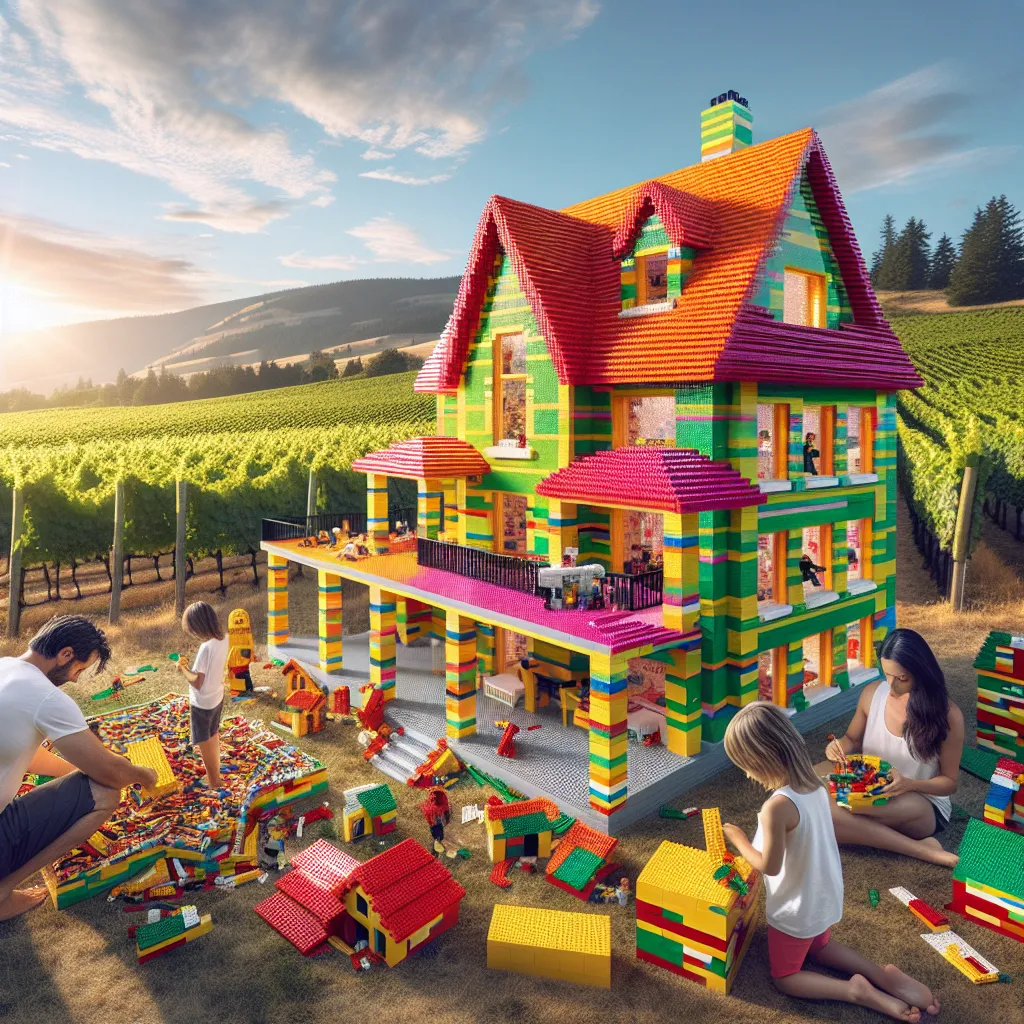
Who hasn’t dreamt of building their own Lego house? That childhood fantasy became a reality when I decided to make a home out of everyone’s favorite bricks. Diving into this wild idea wasn’t just about stacking colorful blocks; it was a thrilling, exhausting, and mind-blowing experiment in creativity and construction. Here’s the journey of living in a full-fledged Lego house.
First, I needed a plot. Dorking, Surrey, would be the canvas for my colorful creation. A conservative town seemed like an unlikely place for such an audacious project, but the rolling vineyards provided a fantastic backdrop. Urban approval was elusive; everyone turned down my city requests, even after promising the structure would be brick-built (well, sort of).
With three million Lego bricks ordered, I teamed up with architect Barnaby and builder Vic. The design wasn’t a straightforward task of gluing blocks together. We had to build modular slabs – essentially hollow bricks made from smaller pieces. Every step of this construction was new territory, filled with unexpected hurdles.
To kick things off, we hosted a Lego-assembly weekend welcoming local families to join the fun. The turnout was astonishing. Over 2,000 enthusiasts showed up, turning millions of tiny bricks into structurally sound “breeze blocks.”
Construction wasn’t without its hitches. During brick-laying, we encountered a structural challenge not unlike those faced by any large-scale construction project. Wooden supports had to be sneaked in to ensure the first Lego floor could withstand the rigors of daily life. Nonetheless, the vibrant blocks stacked up rapidly, defying traditional building timelines.
Interior design was another bundle of fun. Christina, my interior designer, worked tirelessly to furnish the house with Lego furniture. From dining chairs to the bathroom sink, everything had to be functional and made from Lego. The engineering was tricky; you wouldn’t believe how tough it is to make a Lego chair that doesn’t collapse under a human’s weight.
Throughout construction, the dilemma of running out of bricks loomed large. A mid-project recalculation showed us short by nearly 250,000 bricks. Luckily, a shipment from Denmark saved the day, though not without causing some temporary redesign anguish.
Then came the show-stopping moment – moving in. The key was hidden under a pot, a classic touch. As I stepped into the vibrant living room, complete with a Lego piano and kitchen appliances, the sense of accomplishment was overwhelming. It wasn’t just a colossal toy; it was home.
The best way to test a house is to live in it. I invited friends over to marvel at the novelty while assessing its practicality. Some critiqued the lack of modern amenities like a proper kitchen or cupboards, but once inside, most couldn’t help but fall in love with the playful charm.
Having gone through this wild ride, I can confidently say: you can build a real house out of Lego. Not only is it feasible, but it’s also a joyful challenge that brings people together in unexpected ways. Sure, there were bumps, miscalculations, and redesigns, but each one revealed Lego’s timeless appeal and unmatched versatility. And yes, spending a night under a Lego roof, despite the stone-like pillows, was a dream come true.