Is Conception a Secret Masterpiece or Nature's Greatest Gamble?
Life's Miraculous Timeline: From a Single Cell to a Newborn's First Breath
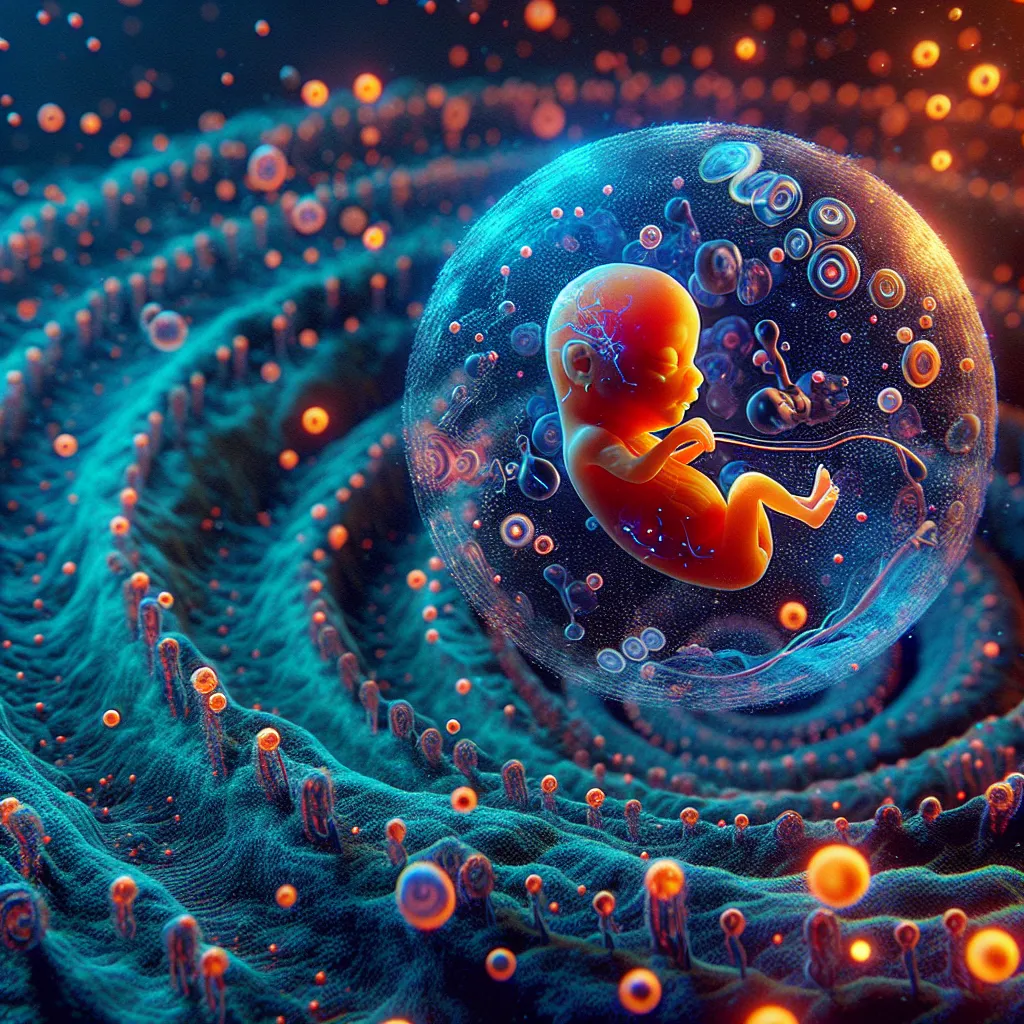
Against all odds, you were conceived. From a single cell to a fully grown baby in just nine months, it’s nothing short of amazing. You are a miracle, and so am I. What follows is our journey.
This baby is about to leave his warm, comforting cocoon and step into a bright, noisy new world. Modern 4D ultrasound scans have given us an unprecedented view into the womb. We can now see the fetus’s development in remarkable detail.
During his stay in the womb, the fetus learns to grasp, smile, frown, recognize his mother’s voice, and even dream. All these before stepping out into the world.
When a man ejaculates, up to 500 million sperm begin their journey inside a woman’s body. Each sperm, the smallest cell in the human body, carries the father’s genetic code. With a basic sense of smell, these tiny travelers swim up the fallopian tube toward the egg—the largest cell in the human body.
Every month, a woman’s ovaries release one egg filled with her genetic code. She made these eggs while still a fetus herself, keeping them in storage all through childhood and adolescence into adulthood.
Conception happens within around ten hours after the sperm meets the egg. The mother remains unaware of these secret events in her belly.
In the fertilized egg, genetic plans begin to unfold. Bundles called chromosomes carry 23 from each parent. These microscopic chromosomes contain over 2 meters of supercoiled DNA, unlocking the codes that make us unique.
Our genes shape us into humans rather than birds or trees and determine what kind of person we will become. The genetic code is like an instruction manual for cells, telling them how to grow. Much of our future is already foretold at the instant of fertilization.
About a day after fertilization, the egg divides, starting a process that will split its cells countless times. The blastocyst, an early stage of the embryo, travels down the fallopian tube to the uterus, where it will find a home for the next nine months.
By the third week, the embryonic ball of cells, no bigger than a pinhead, folds in on itself, forming a long tube—the foundation for the head, spinal column, and brain. Remarkably, at day 15, the brain sparks into activity.
Inside the mother, her system undergoes drastic changes to create a safe environment for the baby. Her heart, for instance, leaps by up to 50% to cope with the new demand for oxygen.
The first recognizable organ to form is the heart. Even at the size of a poppy seed, one cell within the heart muscle triggers a chain reaction, making all the heart cells beat. This process heralds the start of the fetus’s life, causing a tick-tock that will go on until he passes away, hopefully many decades later.
As the embryo develops into a fetus, the placenta takes over from the temporary yolk sac. The placenta draws nutrients, oxygen, and water from the mother’s blood, ensuring that the fetus grows.
Around the 10-week mark, the embryo starts looking more human and becomes known as a fetus. Ultrasound scans offer a window into the womb, showing the health and growth of the baby in remarkable detail.
By 12 weeks, hands, feet, and facial features begin to develop. This period marks the most dramatic transformation during pregnancy, with the fetus looking distinctly human by the end of this phase.
From 16 weeks, the mother begins to feel the baby move. The fetus becomes more mobile, flexing muscles and exploring his environment. The eyes, which generally remain shut until 24 weeks, can occasionally be seen opening earlier.
Around 24 weeks, the development of the senses begins in earnest. The fetus starts experiencing taste and smell through the amniotic fluid, which carries flavors from the mother’s diet. His sense of hearing becomes particularly acute, and he starts reacting to sounds both within and outside the womb.
At this stage, the fetus can even form memories, showing reactions to familiar rhymes or music. This remarkable development continues into the third trimester, preparing the baby for life outside.
During the final trimester, the fetus grows rapidly, developing the ability to suck, swallow, and breathe. Movements become more coordinated, and the baby’s responses to the mother’s emotional state become evident.
As the due date approaches, preparations for birth intensify. Although the exact moment of labor initiation remains a mystery, it’s often linked to a protein secreted by the baby’s lungs indicating readiness.
Labor itself is demanding for both mother and baby. As the baby navigates through the birth canal, adrenaline helps them cope. Finally, the baby emerges, takes his first breath, and begins a new journey outside the womb.
After nine months of amazing growth and development, a newborn baby emerges—a gift from his parents to the world.