What If a Single Cosmic Event Changed Everything We Know About Life on Earth?
Life's Fragile Dance: Catastrophic Turns That Set the Stage for Human Existence
This world, this city, and all life within it, including you and me, only exist because of a series of chance events. A long time ago, global disasters wiped out 99% of Earth’s species. We inherited the planet due to these unfortunate yet crucial events. If those catastrophes hadn’t happened, we wouldn’t be here.
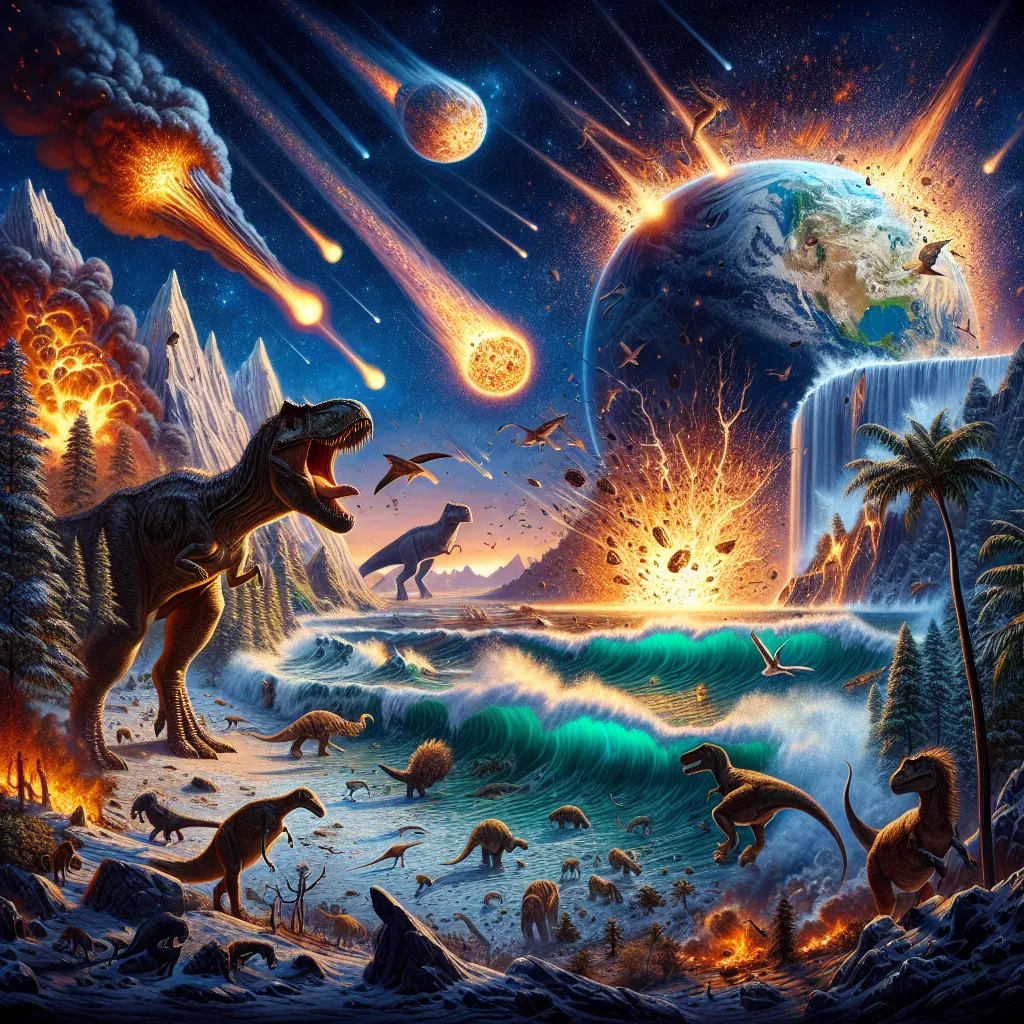
Let’s hop back 65 million years. An asteroid the size of Mount Everest crashed into Earth at 60 times the speed of sound. The impact annihilated 70% of species, including the dinosaurs. This event radically reshaped evolution, turning our old ideas about a calm evolutionary process completely upside down.
If we think about Earth’s history like a clock, where every minute represents three million years, you’ll see how chaotic our planet’s journey has been. Within this timeline, cataclysmic events like massive volcanic eruptions and ice ages repeatedly wiped out life. The impact event that erased the dinosaurs happened at 11:38 PM on this notional clock. It blasted billions of tons of debris into the sky, setting the planet on fire.
Paleontologists like Phil Curry have been piecing together this puzzle from fossils found in places like the Red Deer River Valley in the Canadian Badlands. They’ve been looking at layers of rock that represent millions of years of evolution to understand what happened. The intriguing KT boundary layer, dating back 65 million years, shows a stark difference: dinosaur fossils below it, none above it. This suggests something catastrophic.
Southern Europe, particularly in Zumaya Beach, Spain, gave more clues. Biologist Yan Schmidt found iridium, a metal rare on Earth but common in asteroids, in the rocks at the KT boundary. This clue suggested an extraterrestrial source—a massive asteroid.
Hunting for the impact site took years. Eventually, researchers discovered a giant crater in the Yucatan Peninsula, just off the Mexican coast. At 112 miles across and 12 miles deep, this crater fit the bill. The evidence was overwhelming, from geological formations to massive deposits of shocked quartz and iridium.
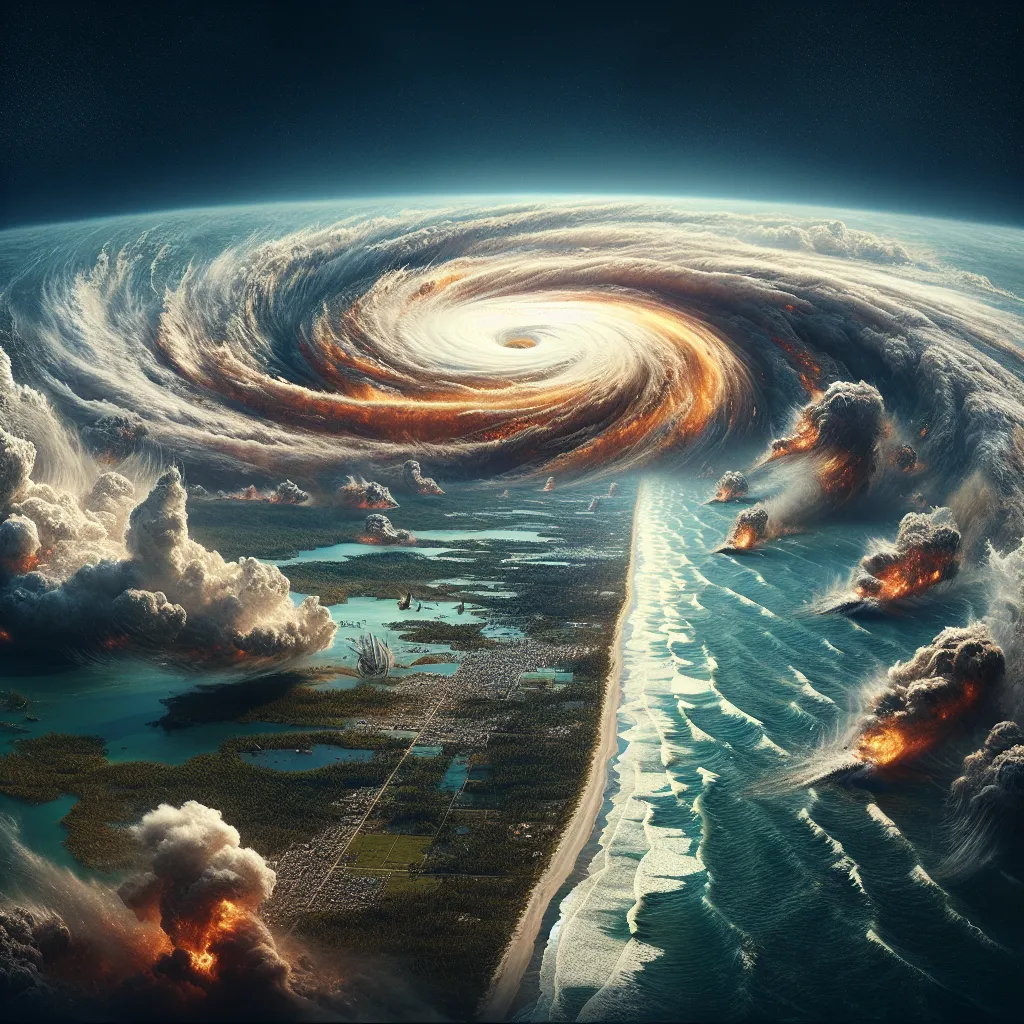
With this impact, the earth underwent massive chaos. The immediate fireball incinerated anything within a thousand-mile radius. Tsunamis, some over 300 feet high, crashed onto distant shores. Superheated debris rained down around the globe, setting forests on fire. These fires spread soot and darkness, blocking out the sun, plunging the planet into an impact winter lasting months.
The long-lasting effects were devastating. Worldwide, temperatures dropped drastically. Sulfuric acid rain poisoned the environment, and acid rain killed any plant life that tried to grow back. This fallout made it nearly impossible for ecosystems to recover quickly. Over time, a new problem arose—global warming triggered by the release of billions of tons of carbon dioxide from the impact.
Despite this apocalyptic scenario, some species survived. Mammals, in particular, thrived. These small, burrowing, omnivorous creatures had just the right survival traits. Unlike dinosaurs, they didn’t lay their eggs in the open. This internal development gave their young much-needed protection in this hostile environment.
Birds and certain reptiles also survived. The landscapes and ecosystems eventually regenerated. Mammals evolved, and over millions of years, one species in particular began to dominate—humans.
It’s extraordinary to think that a single freak event could set the stage for our existence. But what about the future? Can humans withstand such cosmic impacts, super volcanoes, and drastic climate changes? Only time will tell.