What Makes the World's Largest Floating City Run Like Clockwork?
Life Pulsating in a Billion-Dollar, 160,000-Ton Floating City
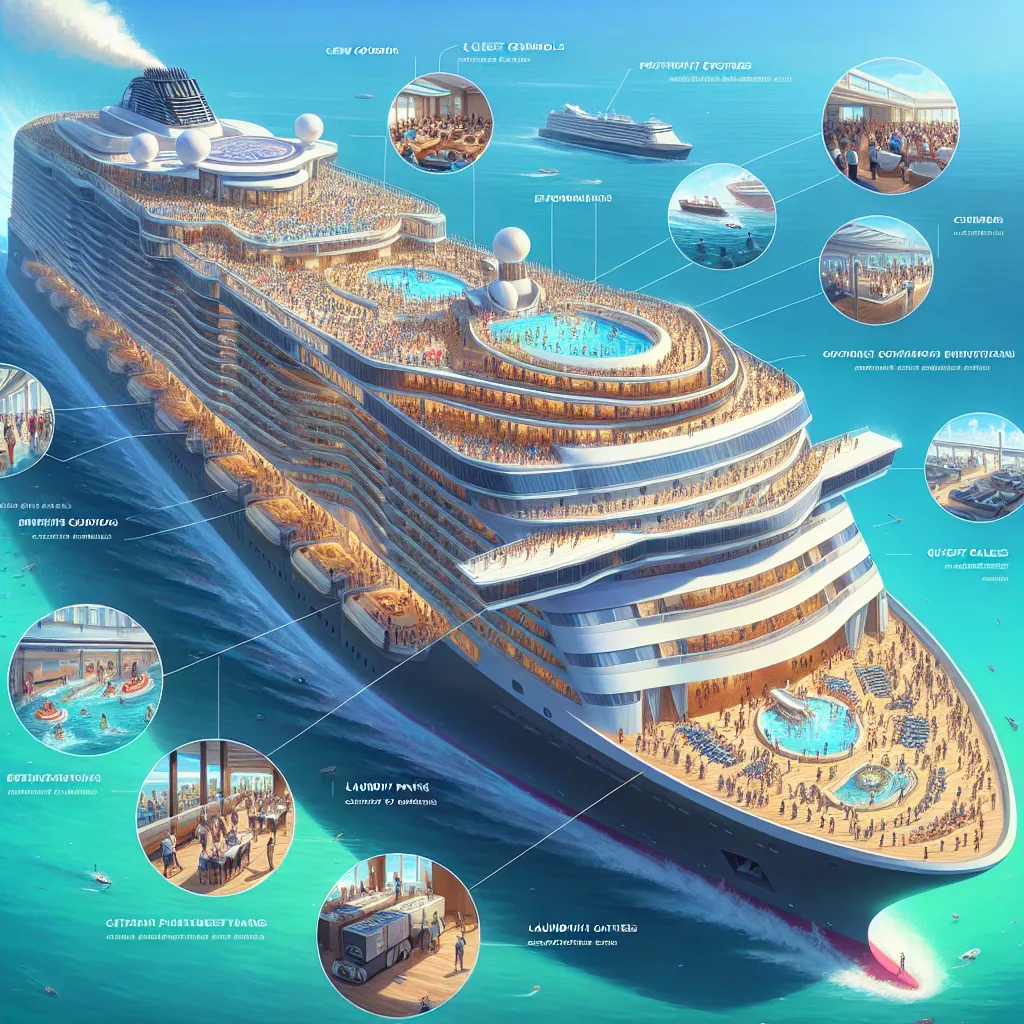
The MSC Seaside is a marvel of modern engineering, costing over $1 billion and weighing an impressive 160,000 tons. Imagine a city, with over 2,000 guest rooms and 800 staff cabins, that can house and entertain more than 6,000 people as it sails across the Caribbean. It’s a floating paradise, replete with everything from glamorous dining experiences to exhilarating water parks.
Each Saturday at the crack of dawn, the MSC Seaside docks in Port Miami. By evening, it’s ready to embark on another week-long voyage. The turnaround day is a frenzy of activity, with over 2,000 rooms cleaned, 5,000 passengers disembarked, and 15,000 pieces of luggage unloaded—all in just 12 hours. The ship is then refueled, restocked, and prepped for new passengers.
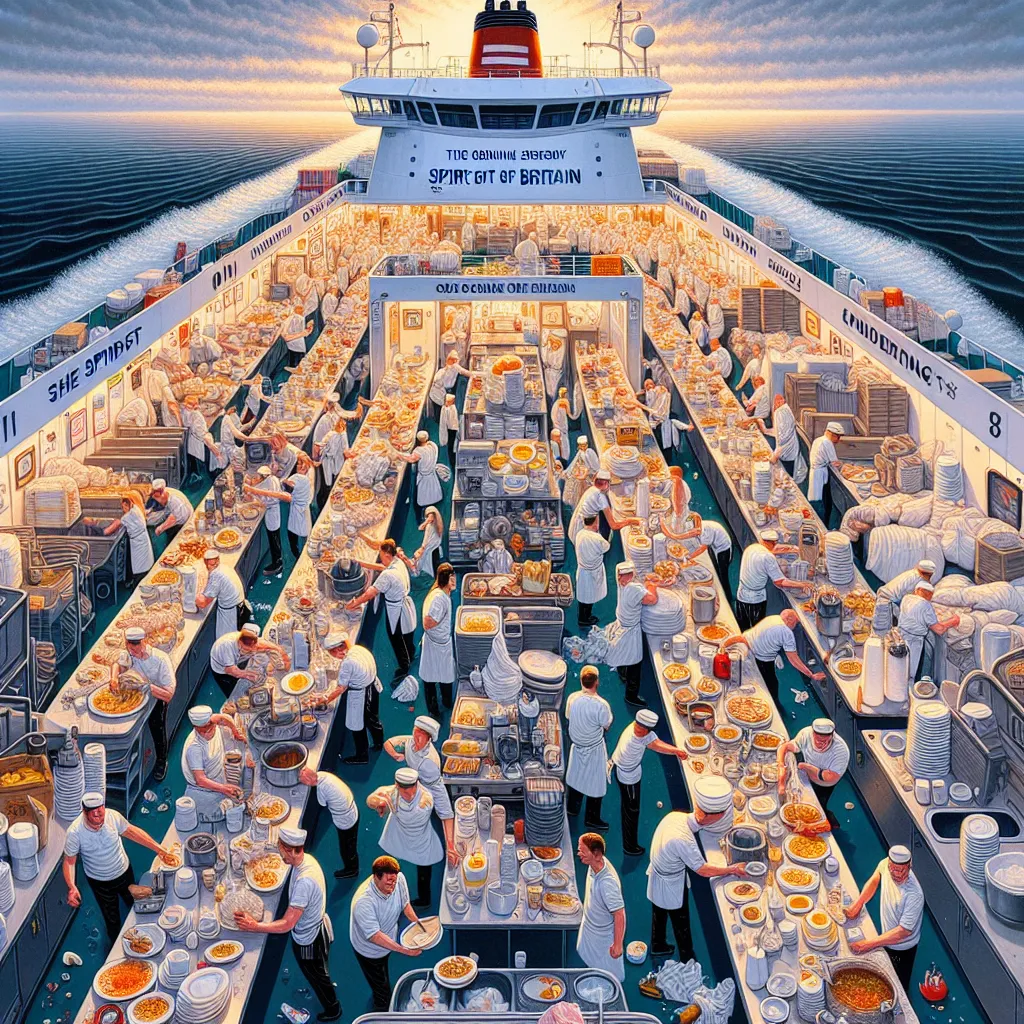
This immense operation is choreographed to perfection. One vital piece of the puzzle is the I95, a hidden crew passage that runs the length of the ship, making it easier and faster to move luggage, food supplies, and personnel. Estimates indicate that during a typical day, the ship processes tens of thousands of items, including 20,000 eggs and 47 tons of fruits and vegetables.
Crew members are like cogs in a well-oiled machine, tirelessly working to ensure that every guest has a seamless experience. The logistics are down to a science. Everything, from the food to the laundry, is managed with clockwork precision. Over 14,000 pool towels, 60,000 napkins, and 10,000 sheets are processed daily within the ship’s high-tech laundry facilities. Meanwhile, other workers handle the colossal task of recycling and waste separation, minimizing environmental impact.
Beneath the waves, the ship’s engines deliver 80,000 horsepower, crucial for propulsion and generating the electricity that powers the entire vessel. Water desalination systems transform seawater into clean, drinkable water, meeting the huge daily demand of 250,000 gallons for showers, pools, and other needs.
Life aboard the MSC Seaside is like living in a bustling city. The ship features nine restaurants, 11 bars, shopping plazas, and even a full-size basketball court and a theater. Each day, the culinary staff prepares up to 15 tons of food. Entertainment is no less grand, with a cast of 40 performers rehearsing and staging elaborate shows for up to 3,000 guests every night.
As dawn breaks over Port Miami once again, the relentless dance of disembarking and boarding begins anew. Behind the scenes, hundreds of crew members work around the clock, ensuring that this floating city continues to function smoothly and efficiently.
The journey of the MSC Seaside is a testament to human ingenuity and teamwork, a true city at sea that offers its passengers an unparalleled experience while maintaining an intricate, hidden life below deck.