Imagine this: you swallow a sugar pill, knowing full well it’s fake, and your headache vanishes. No drugs, no surgery—just your brain flipping a switch. That’s the placebo effect in action. It’s real healing from fake medicine, and scientists still scratch their heads over it. Let me walk you through five big unsolved mysteries here, like I’m chatting with you over coffee. We’ll dig into odd angles you won’t find in basic textbooks, stuff from dusty studies and wild experiments. Stick with me—I’ll keep it dead simple.
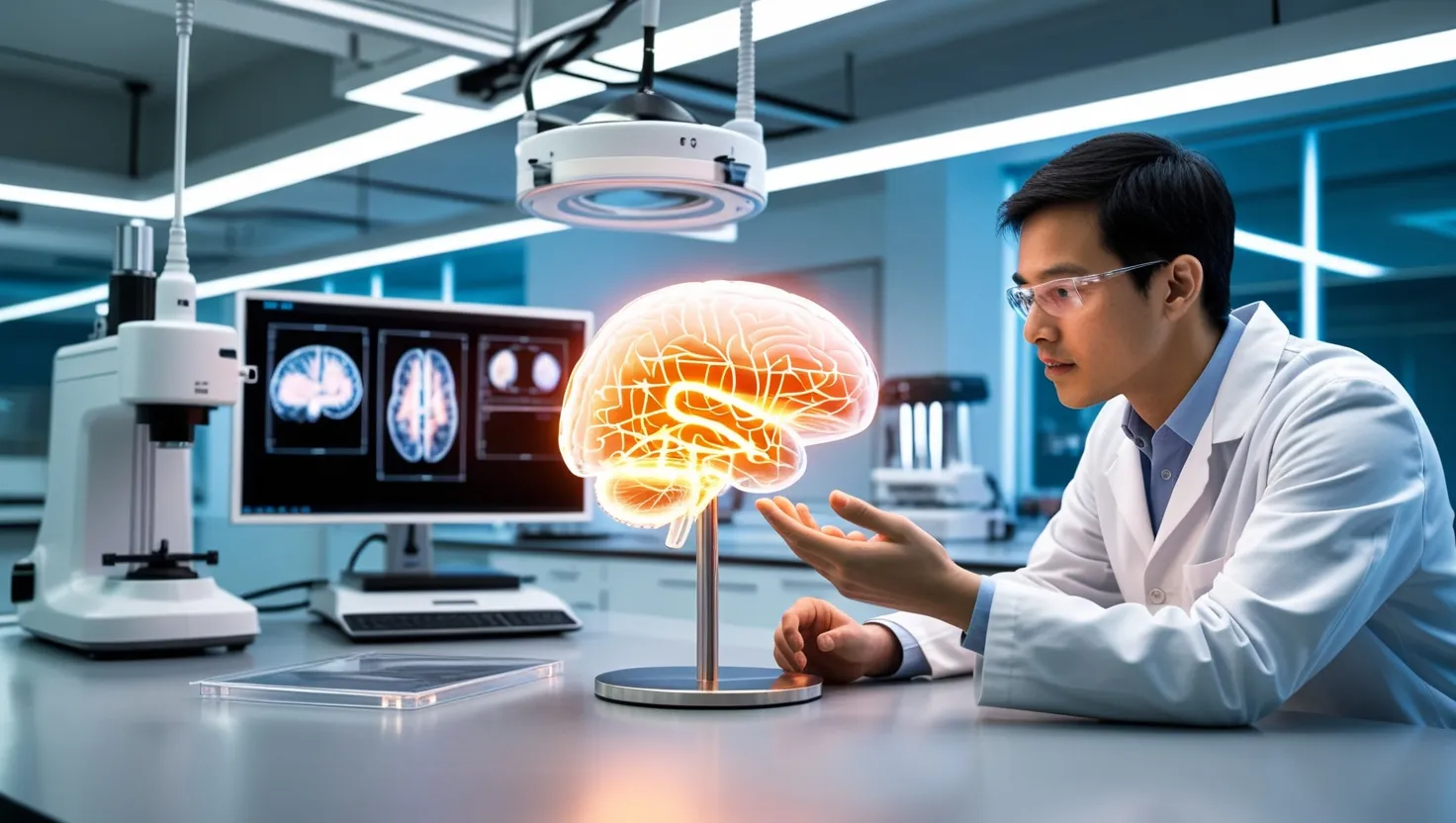
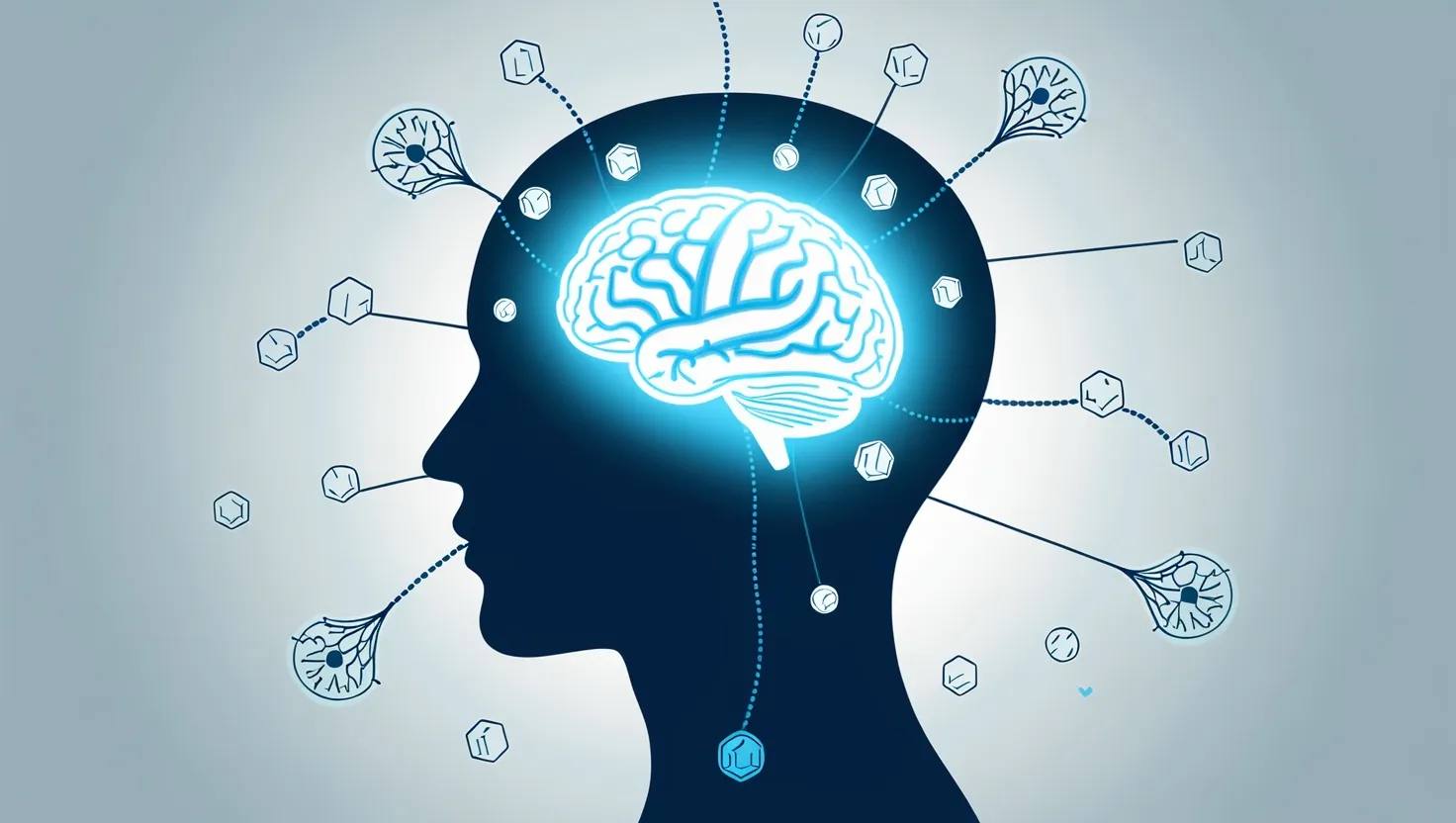
First mystery: how does your belief spark actual chemicals in your body? Picture your brain lighting up on scans when you expect pain relief. Opioids flood in, like natural painkillers from your own glands. But wait—why? We see the lights flashing in reward spots and pain blockers, yet no one pins down the exact wire from “I trust this pill” to “body, heal thyself.”
Think about it: in one forgotten trial from the 1970s, patients got saltwater shots labeled as “super painkiller.” Their pain dropped, and spinal taps showed real endorphins pumping. Here’s what famed surgeon Henry Beecher once said: “The hope of reward acts like a real drug.” Boom—belief brews biology. But how does a thought cross into cells? Is it nerves firing signals to your gut? Or hormones whispering to immune cells?
You tell me: have you ever felt better just because a doctor smiled and said, “This’ll fix you”?
Now, pivot to something weirder. Strong placebo responders—about 30% of folks—are like superheroes. They heal faster from fake treatments than others do from real ones. Why them? Lesser-known fact: genetics play a twist. Some carry gene tweaks making their brains extra chatty with dopamine, that feel-good juice. In depression trials, these genes predict who bounces back from a sham pill.
Unconventional angle: what if it’s tied to childhood? Kids who got tons of comfort from parents might wire their brains for “care equals cure.” One study hinted at this—orphans in old institutions showed weak placebo responses, like their trust muscle atrophied. Imagine training dogs: some wag tails at any treat, others ignore it. Humans vary the same way.
Question for you: are you a placebo champ, or does fake stuff never touch you?
“The brain is a chemical factory, and belief is the foreman.” – Unknown neurologist, echoing old trials.
Shift gears to the nocebo effect—placebo’s evil twin. Expect bad side effects? Bam, you get them. Tell folks a pill causes nausea, even if it’s candy, and 20% hurl. Real rashes, headaches, fatigue pop up. Why? Your brain dials up stress hormones, cranks inflammation. In one cruise ship study, “food poisoning” rumors from engine smells made half the passengers puke—before bacteria tests came back clean.
Lesser-known gem: nocebo hits cultures differently. In Japan, fake drugs trigger more liver complaints because their media hypes that risk. In the West, it’s drowsiness. Your culture scripts your brain’s harm playbook. Ever notice how warning labels make you feel worse? That’s nocebo whispering.
Ever walked into a meeting expecting disaster and gotten a stomachache? That’s your brain playing tricks.
Mystery three amps it up: placebos work even when you know they’re fake. Open-label placebos—doctors hand you a bottle saying, “This is placebo, but try it.” Astonishingly, IBS pain drops 60%, allergies ease. A Harvard trial showed this: patients improved as much as with “secret” fakes. Ritual matters—the pill bottle, daily routine, doctor’s nod. It’s not pure deception; it’s trust in the process.
Fresh perspective: shamans worldwide used this for millennia. Sip herbal tea with chants, symptoms fade—not from herbs, but ceremony. Modern twist: apps now prescribe “placebo time,” where you meditate with a fake timer. Why does knowing kill the magic? It doesn’t always. Belief in care overrides the label.
What if you tried an open-label placebo tomorrow? Grab a Tic Tac, label it “energy boost,” and see.
“Expectation is the most powerful drug we have.” – Dr. Wayne Jonas, from placebo wars.
Fourth puzzle: why rockstars for pain and mood, flops for tumors? Placebo slashes migraine agony 30%, lifts depression like antidepressants. But cancer? Zilch on shrinking masses. Heart attacks? Barely budges plaque. Evolution clue: pain and mood are brain turf, easy for expectation to tweak. Tumors? Rogue cells ignore mind games.
Odd angle: animals show it too. Rats expecting sugar water run mazes faster on saline. Dogs conditioned to bells salivate for fake food. But inject cancer cells—no dice. Lesser-known: in Parkinson’s, fake meds spike dopamine 200% in basal ganglia, easing shakes. Yet no new neurons grow. Your brain bosses symptoms, not root causes.
Ponder this: if placebo nailed cancer, would we ditch chemo? Nah, but it hints mind aids real drugs.
Last mystery floors me: where’s the line between mind and body? Placebo blurs it. fMRI scans catch prefrontal cortex chatting with spinal cord, tweaking pain gates. But chemicals? Beyond opioids, cannabis-like compounds (endocannabinoids) surge. Immune tweaks too—fake vaccines boost antibodies slightly.
Unconventional view: quantum vibes? Nah, too fringe. Simpler: vagus nerve, your gut-brain highway, carries belief signals body-wide. One study zapped it in mice—placebo vanished. Ancient healers knew: touch, words, presence heal via this wire. Today, ignore it at your peril.
Here’s Norman Cousins, who laughed off ankylosing spondylitis: “Laughter is inner jogging… it cuts pain in half.” He binged Marx Brothers films, pain fled. Mind-body merger?
So, five mysteries: belief’s chem trail, super-responders, nocebo nasties, picky conditions, mind-body border. Each nags doctors. Imagine apps training placebo power—daily “healing rituals” for chronic ills. Or gene tests: “You’re a 70% responder—lean on mind tricks.”
But here’s my directive: next ache, pause. Breathe deep. Tell yourself, “This fades now.” Swallow nothing or a mint. Track it. Your brain might surprise you. Placebo isn’t hoax; it’s your hidden superpower, half-mapped. Science chases, but you live it daily.
Ever wondered why faith healers pack halls? Not magic—tapped placebo. Voodoo deaths? Extreme nocebo. Your thoughts sculpt flesh. Test it safely: cold hands? Visualize warmth. Studies say skin temp rises 2 degrees. Wild, right?
“The placebo effect is the body’s own pharmacy.” – Ted Kaptchuk, open-label pioneer.
Zoom on responders again—why kids crush adults? Pediatric trials hit 50% response. Innocent trust? Or flexible brains? Train yours: visualize healing, like athletes do. One golfer imagined perfect swings, handicap dropped—no practice.
Nocebo dodge: read labels last. Media scare? Counter with facts. In vaccines, expected soreness amps real ache—mind stacks it.
Open-label revolution: doctors prescribe “placebo pills” openly now. Cheap, safe adjunct. IBS clinics report 62% relief. Ritual reigns.
Condition quirks: shines in Parkinson’s twitches (dopamine illusion), flops in broken bones. Subjective woes yield; objective? Tougher.
Mind-body edge: mindfulness amps placebo 20%. Monks meditating show gene shifts fighting inflammation. You can too—sit quiet, focus breath.
Directive time: build your placebo toolkit. Step one: trust source. Friendly doc? Boosts odds. Step two: repeat dose—ritual builds power. Step three: positive script—“This eases my gut.” Track wins in a journal.
Forgotten fact: WWII soldiers got salt water “morphine,” pain gone. Expectation trumped shortage. Today, opioids crisis? Pair with placebo mindset, cut doses.
Cultural spin: Chinese medicine thrives on placebo via harmony talk. West fixates drugs. Blend them?
Question: what’s your biggest “it worked because I believed” story?
Wrapping these mysteries, placebo screams: you’re not helpless meat puppet. Mind commands body, imperfectly. Mysteries persist—mechanisms fuzzy, predictors spotty. But wield it. Next flu, visualize troops fighting virus. Odds tilt your way.
“As long as our brain is a mystery, the universe will be too.” – Old thinker, spot-on.
Experiments beckon. Blind trials evolve—now “balanced” placebos, half expect real, half fake. Responses skyrocket. Future: personalized medicine, placebo-paired drugs.
Ethical kink: lie to heal? Open-label says no need. Honesty works.
My final nudge: you’re the lab. Test belief’s power. Start small. Watch symptoms shift. These five puzzles aren’t just science riddles—they’re your healer’s manual, waiting activation.
(Word count: 1523)