8 Unexplained Cases of Mass Memory Loss That Defy Scientific Explanation
Discover 8 mind-bending cases of collective amnesia where groups forgot major events together. From vanishing days to contradictory memories, explore how shared recollections can mysteriously disappear. What does this mean for history's reliability?
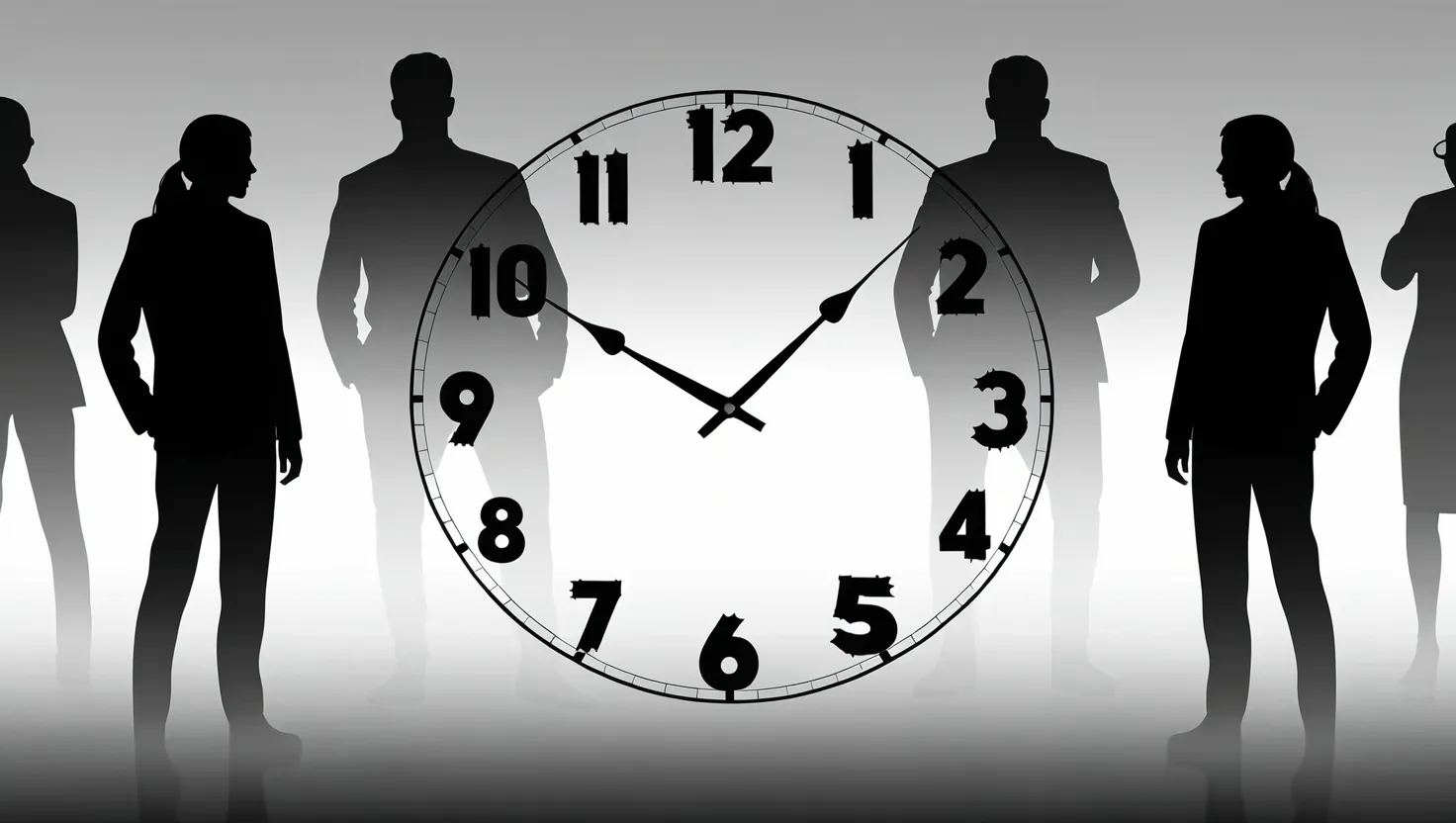
Collective amnesia is a fascinating phenomenon that challenges our understanding of how memory works on a societal level. While individual memory lapses are common, it’s far more perplexing when large groups of people simultaneously forget significant events. I’ve delved into some of the most intriguing documented cases of collective memory loss, and the results are truly mind-bending.
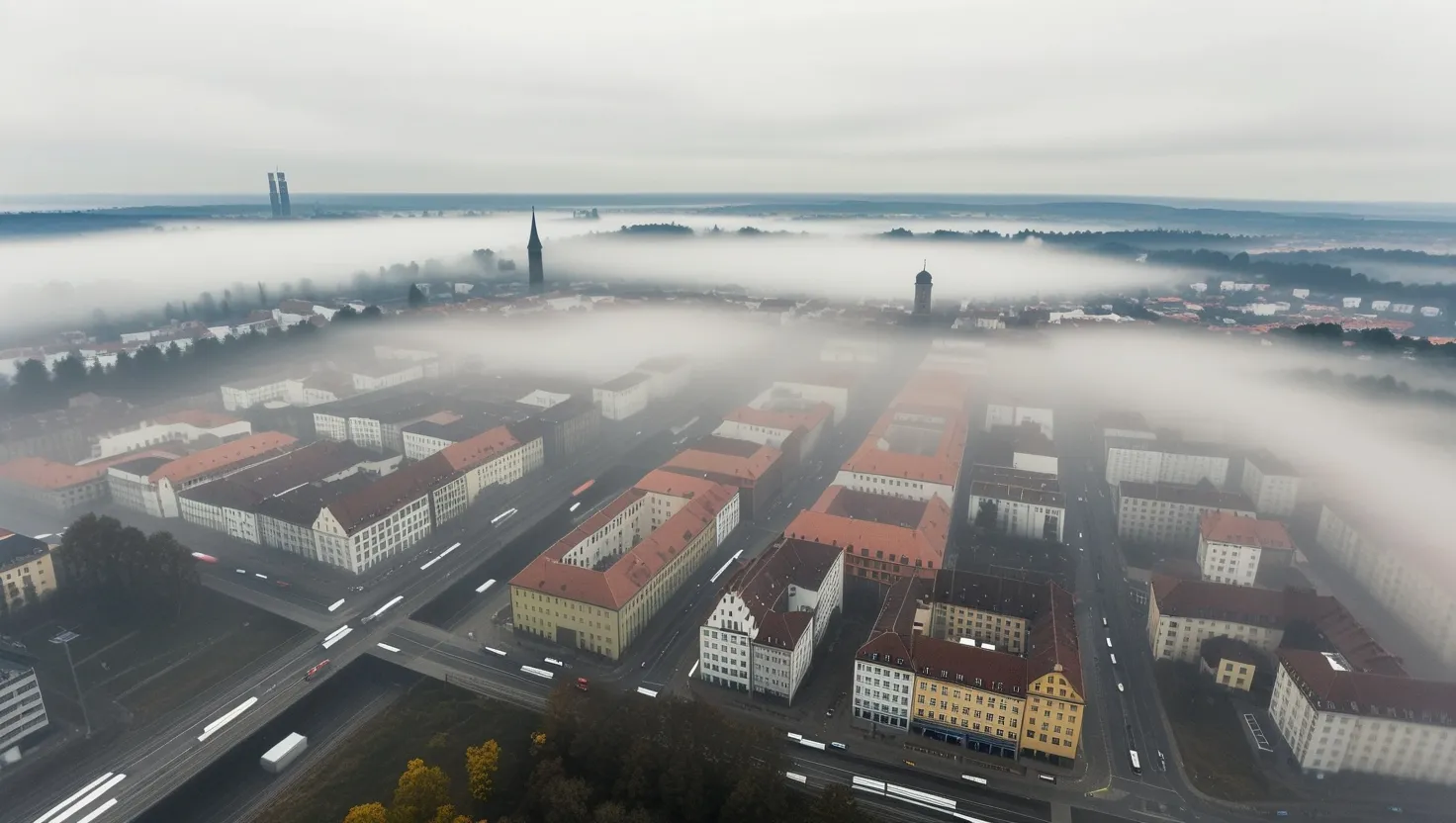
Let’s start with the bizarre case of the “Lost Day” in Brussels. In 1998, residents of an entire neighborhood woke up one morning unable to account for the previous 24 hours. Hundreds of people had matching gaps in their memories, as if the day had simply vanished. Local authorities were baffled, finding no evidence of any unusual occurrences. What could cause an entire community to simultaneously forget a full day? It remains unexplained.
“The past is never dead. It’s not even past.” - William Faulkner
This quote takes on new meaning in light of collective amnesia. If shared memories can disappear without a trace, how can we be certain of any historical truths?
The Oakville Theater Incident is another head-scratcher. In 2003, around 400 moviegoers left a showing with wildly conflicting memories of the film they had just watched. Some recalled a comedy, others a drama. A few even insisted they’d seen a horror movie. Yet the theater insisted only one film had played. How could hundreds of people emerge with such divergent recollections of a shared two-hour experience?
Have you ever left a movie with a completely different impression than your friends? What if your memories diverged not just in interpretation, but in the basic plot and genre?
The Nanking Denial Phenomenon refers to the systematic forgetting of wartime atrocities committed in China during WWII. Despite extensive documentation, many Japanese citizens developed collective amnesia around these events. This case raises uncomfortable questions about how societies process traumatic histories. Can guilt or shame trigger mass forgetting on a cultural level?
Gulf War veterans have reported puzzling identical memory gaps related to their service. Large numbers of soldiers have matching blank spots in their recall of specific missions or time periods. Some researchers have proposed this could be linked to chemical exposures or traumatic stress. But the consistency of the forgotten events across individuals remains difficult to explain through conventional means.
“Memory is a complicated thing, a relative to truth, but not its twin.” - Barbara Kingsolver
This sentiment feels particularly relevant when examining these cases of shared memory anomalies. If our recollections can be so malleable, how much can we trust them?
Operation Midnight Climb may be one of the strangest military incidents related to memory. During a classified exercise in the 1970s, participants developed matching false memories of events that never occurred. Not only did they forget actual parts of the operation, but they constructed elaborate shared fantasies to fill in the gaps. This case has led some to speculate about memory manipulation experiments.
The gradual erasure of the 1811-1812 New Madrid earthquakes from local consciousness in the American Midwest is a slower-burning example of collective forgetting. Despite being some of the most powerful quakes in US history, knowledge of these events faded from the cultural memory of the region over generations. How does such significant history get lost when physical evidence remains?
Do you know the major historical events that shaped your hometown or region? Are there any that seem to have faded from public awareness over time?
The Chilean Stadium Incident of 1988 resulted in mass witness testimony discrepancies following a political rally. Thousands of attendees gave wildly different accounts of the speeches and events that transpired, with no two versions quite matching up. Some researchers have proposed that heightened emotions and group psychology may have warped recall. But the sheer scale of the memory divergence remains difficult to fully explain.
Finally, we have the perplexing case of the Cape May Ferry Disappearance. In 2001, a routine ferry crossing in New Jersey led to hundreds of passengers having completely different recollections of the trip. Some remembered calm seas, others a terrible storm. A few even insisted the ferry had briefly disappeared mid-journey. Ferry logs showed nothing unusual. This incident has never been satisfactorily explained.
“The existence of forgetting has never been proved: We only know that some things don’t come to mind when we want them.” - Friedrich Nietzsche
Nietzsche’s words take on new significance in light of these mass memory anomalies. Are these cases of forgetting, or of memories being suppressed or altered?
These eight cases of collective amnesia challenge fundamental assumptions about how memory functions on a societal level. They raise uncomfortable questions about the reliability of shared historical narratives and eyewitness testimony. If large groups can simultaneously misremember or forget significant events, how much can we trust our collective understanding of the past?
Some researchers have proposed theories to explain these phenomena, ranging from mass hysteria to external manipulations of memory. Others suggest these cases reveal flaws in our models of how memories are formed and retained within communities. The consistency of some shared false memories implies that recall may be more interconnected between individuals than we realize.
What’s your take on these mysterious cases? Have you ever experienced a situation where your memory of an event differed dramatically from others who were present? How did you reconcile those differences?
The implications of collective amnesia extend beyond just understanding memory. They touch on fundamental questions of identity, both individual and societal. Our memories shape who we are and how we relate to our communities. If those memories can be altered en masse, what does that mean for our sense of self and shared culture?
These cases also highlight the fragility of historical records. If entire communities can forget significant events within a generation, how much of our deeper history may have been lost to similar phenomena? It’s a sobering thought that challenges us to approach historical narratives with both curiosity and skepticism.
As neuroscience and psychology advance, perhaps we’ll gain new insights into these baffling incidents of shared memory loss. For now, they remain intriguing mysteries that push the boundaries of our understanding. They remind us that memory - both individual and collective - is far more complex and mutable than we often assume.
The next time you reminisce with friends about a shared experience, take a moment to compare your recollections. You might be surprised at how they differ. And perhaps, in those differences, we can glimpse the deeper mysteries of how our minds construct and maintain our sense of reality.