Can Old Wounds in Iraq Ever Heal or Are We Doomed to Repeat History?
Timeless Turmoil: The Unending Spiral of Iraqi Conflict
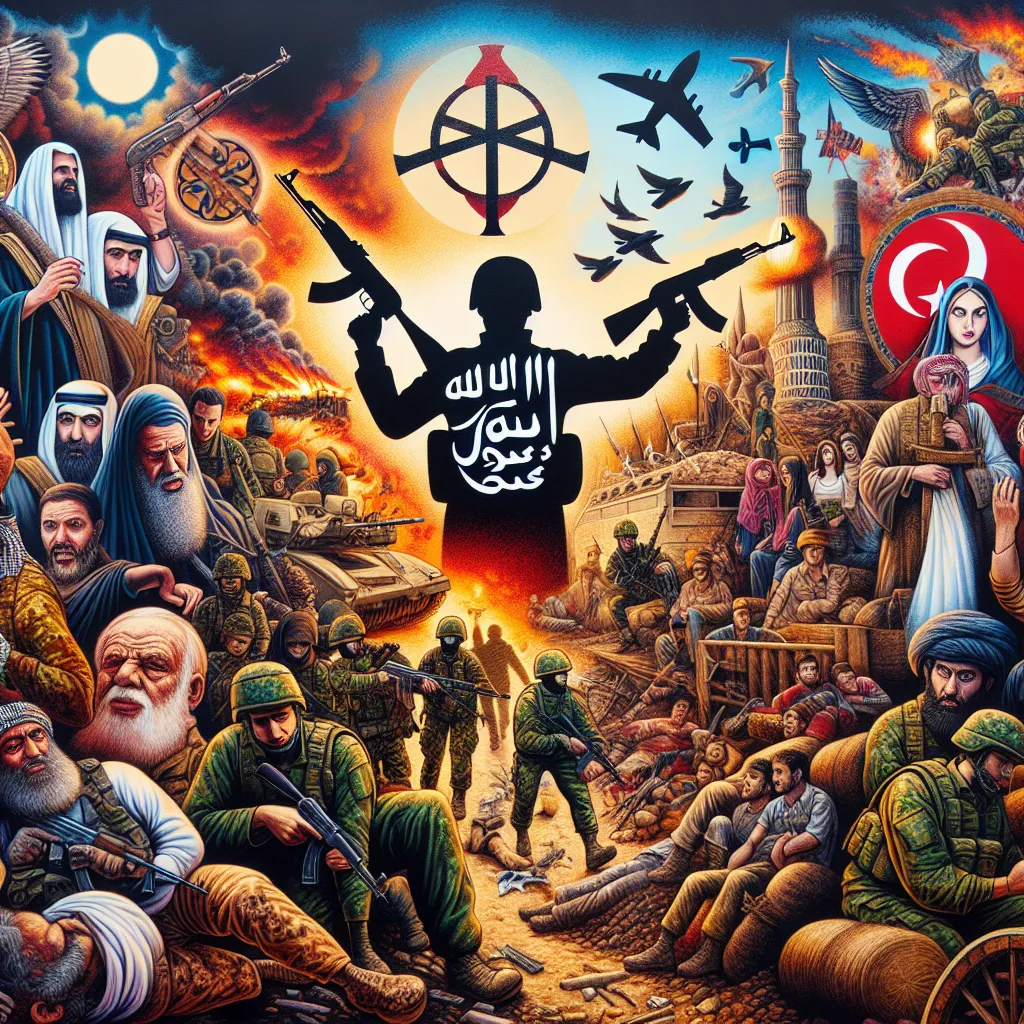
Oh dear, just when you thought the Iraq situation had faded into history, chaos has re-emerged. What went wrong? In 2003, the US invaded Iraq, citing ties to terrorism and weapons of mass destruction. Saddam Hussein, a ruthless dictator from the Sunni minority, was in power, suppressing the Shia majority. The US swiftly conquered Iraq but had no plan for governance. Soon, the once-oppressed Shia majority took over and began oppressing the Sunnis. Predictably, this led to a Sunni rebellion, with terrorist groups like al-Qaeda stepping into the fray, and resulted in a civil war by 2006.
Over the years, Iraq became a training ground for terrorists, ironically creating the problem the US aimed to solve. To understand the root of this conflict, consider the split in the Muslim faith: Sunnis make up about 80% and Shia about 20%. The hardcore factions of both sides don’t get along. Major players like Saudi Arabia and Iran pour money into supporting opposing religious groups. Saudi-backed Islamic State in Iraq (ISI) was one such terror group.
Then came the Arab Spring in 2010, shaking up the Middle East. In Syria, Bashar al-Assad’s brutal civil war attracted foreign fighters, many with religious motives to build an Islamic state. ISI evolved into ISIS (Islamic State in Iraq and Syria), leveraging its experience and soldiers from Iraq to wreak havoc in Syria. Their extreme violence alienated even their former sponsors.
ISIS shocked everyone by imposing a strict Islamic state and committing numerous atrocities. When the US left Iraq, Shia Prime Minister Nouri al-Maliki centralized power, discriminating against Sunnis. His government was seen as corrupt and ineffective, causing the Iraqi army to crumble under ISIS advances. By June 2014, ISIS had taken control of major parts of Iraq, including Mosul, and had become the richest terror organization through looted banks.
The situation drew even Iran and the US to reluctantly consider joint action against ISIS. The Iraq chaos underscores a timeless truth: defeating a people and denying them power only plants the seeds for future conflict. Somehow, this vicious cycle must end.