Did a Tubercular Teacher Really Time Travel to 3906?
Whispers of Tomorrow: One Man's Journey Into the Futurescape Caught Between Reality and Dream
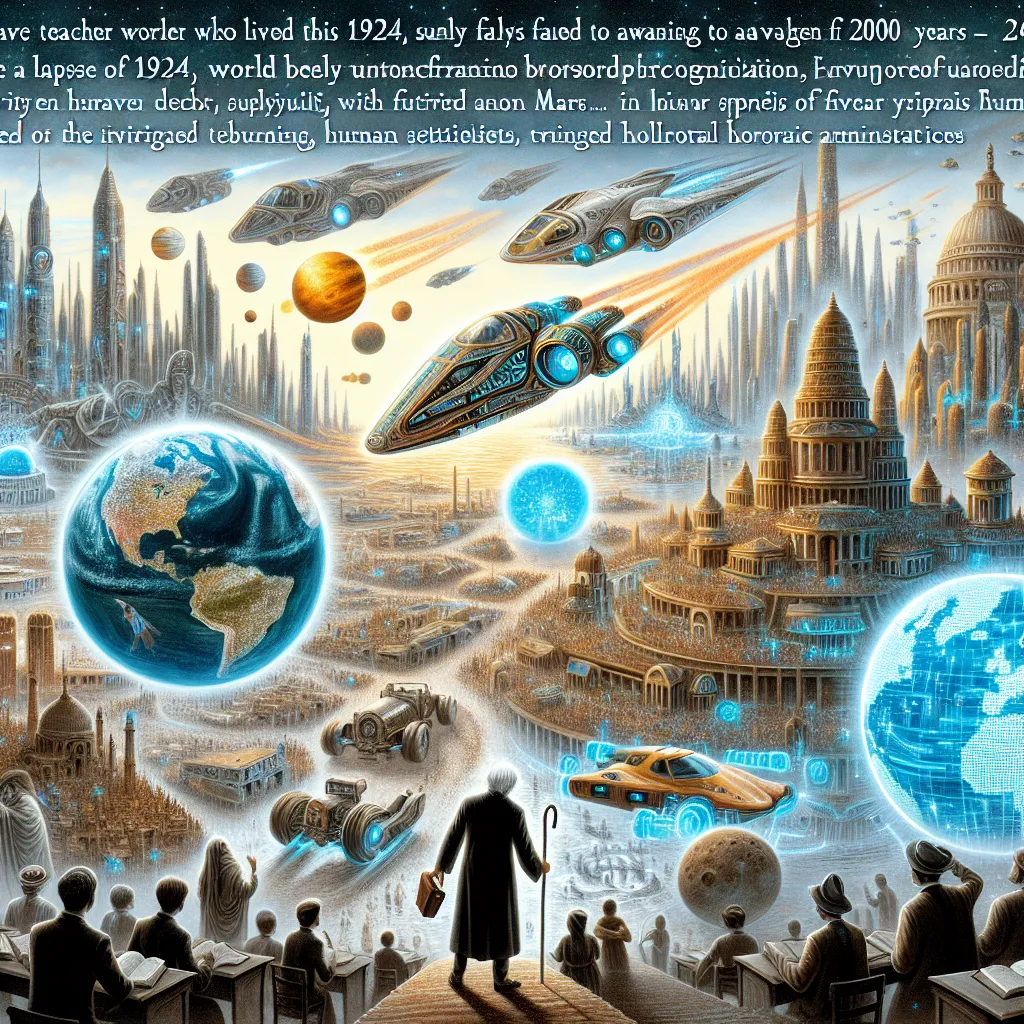
In 1924, Paul Amadeus Dinock, a Swiss teacher working in Greece, was dying of tuberculosis. Before he left for home, he entrusted his favorite student, Georgios Papahatsis, with hundreds of pages of his diaries. Dinock thought translating these would help Georgios improve his German.
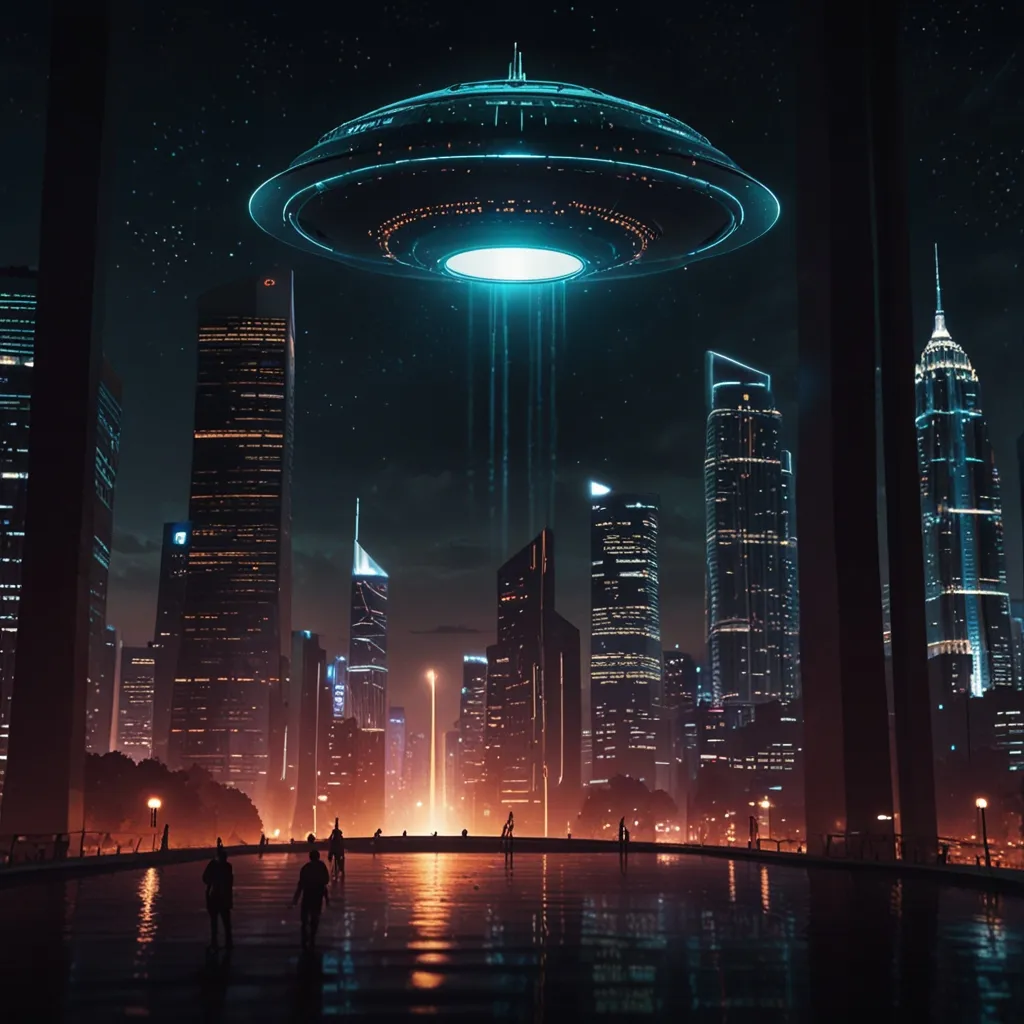
As Papahatsis worked through the notes, he was astounded. Dinock’s writings didn’t just cover mundane topics; they detailed a future world with nuclear wars, Mars colonies, a global government, flying vehicles, holograms, and even alien contact. Georgios initially thought it was a science fiction story, but it soon became clear that this was Dinock’s personal diary recounting a surreal experience.
Dinock claimed that in 1921, he fell into a coma and woke up 2000 years in the future, specifically in the year 3906. He found himself in a completely different world with advanced technologies and met people who wore unfamiliar clothing and spoke an unknown language. A doctor, who communicated in broken German, explained to Dinock that he was not in his own body but in that of Andreas Northam, a famous physicist who had a near-death accident.
The electors, wise elders of the future society, believed Dinock had experienced a rare psychic phenomenon called a consciousness shift. Essentially, Dinock’s mind had been transported into Andreas’s body during Andreas’s clinical death. This shift, they said, had “beamed” Dinock’s consciousness into the future.
During his time in 3906, Dinock learned about the challenges humanity faced, such as overpopulation and regional conflicts. We colonized Mars in 2204, but a catastrophe in 2265 wiped out the colony. A medium-scale nuclear war devastated most of Europe in 2309, eventually leading to the establishment of a new world government called the Redstot in 2396. Over centuries, society transformed. By 2823, a system based on global adequacy rather than scarcity was proposed, vastly improving the quality of life for everyone.
In this future, people only worked two years of their lives before retiring to pursue their interests, as all material needs were met. Dinock was intrigued by their advancements, especially a device called a Regan Schwager, which was like a futuristic iPad blending 3D visuals, sound, and narration.
Dinock discovered that humans evolved into a different species, Homo Occidentalis Novus, gaining a new sense organ that provided access to a higher plane of existence and vast spiritual knowledge. This evolution had profoundly altered human nature, making the selfish tendencies of the past obsolete.
One touching aspect of Dinock’s story involves his relationship with Sylvia in the future, who he believed to be the reincarnation of his lost love, Anna. This connection was validated when Sylvia replicated a promise Anna made 2000 years earlier, suggesting the timeless nature of their bond.
Upon waking from his year-long coma in 1922, Dinock was left grappling with his extraordinary experiences.
But was Dinock’s tale fact or fiction? Some believe his account was real, pointing to the detailed descriptions in his diaries. However, skeptics suggest Dinock might have experienced vivid dreams while in his coma or that the entire story was a fabrication since there’s no historical record of him or his translator, Georgios Papahatsis, and because the diary has been lost.
Whether genuine or not, Dinock’s story remains a fascinating exploration of future possibilities and human transformation.
Thanks for hanging out today. If you enjoyed this tale, feel free to share this post