mysteries

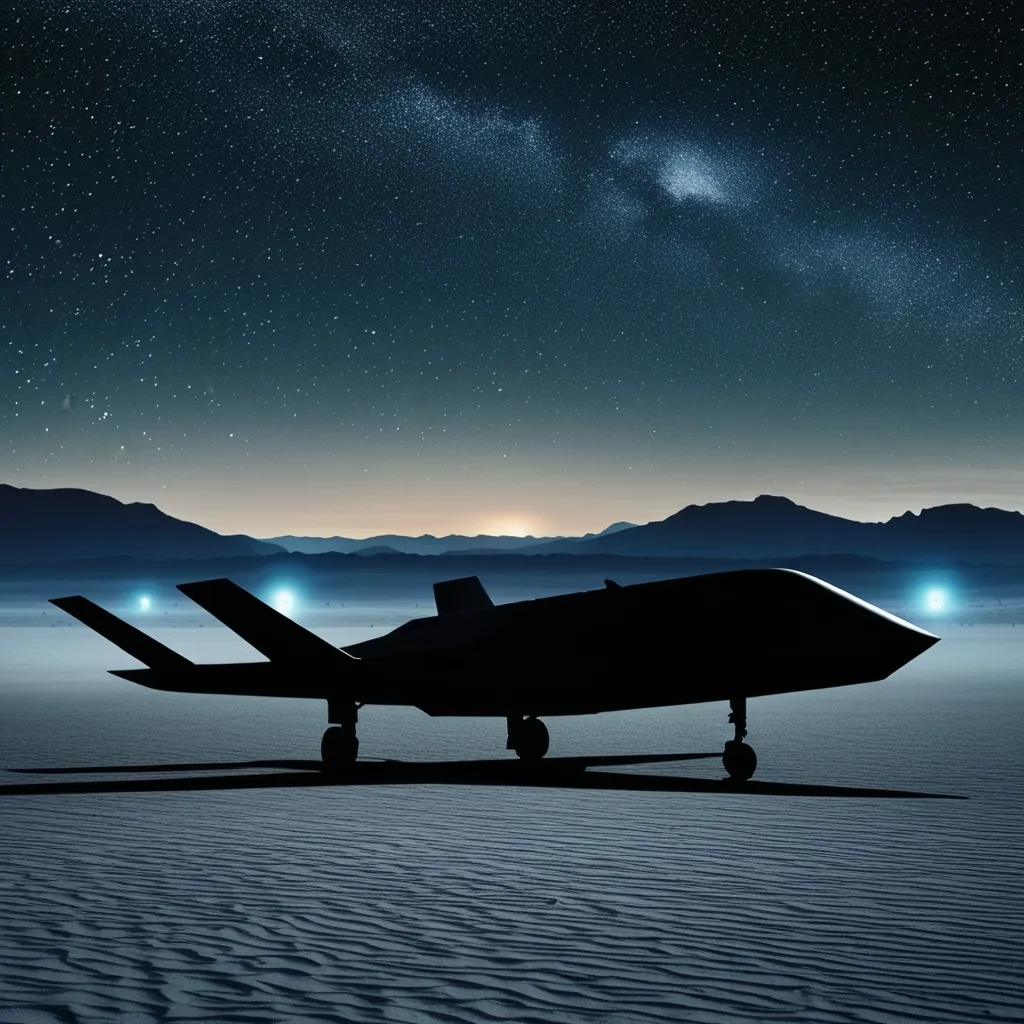
Is DARPA's Genius Worth Its Dark Secrets?

Echoes of Innovation and Paranoia: DARPA's Unending Dance with Ethics

Is DARPA's Genius Worth Its Dark Secrets?

In the early days of the Space Race, the Soviet Union was making history with the first satellite, the first dog, the first man, and the first woman in space. Meanwhile, the American space program was struggling to catch up. Citizens were terrified that the Russians might soon put weapons in space. This paranoia put immense pressure on President Eisenhower, prompting the formation of the Advanced Research Projects Agency (ARPA), later known as DARPA, which sought to create cutting-edge military technologies.

DARPA’s work eventually led to innovations we use daily, such as GPS, microprocessors, and even parts of the internet. However, these advancements came with a cost, often shrouded in secrecy and ethical dilemmas. DARPA’s research has developed advanced weapons, surveillance tech, and mind-bending projects that seem straight out of science fiction.

For instance, in the early 1960s, DARPA launched initiatives like Agent Orange during the Vietnam War, which caused devastating health issues still felt today. Despite its dark past, DARPA has also achieved incredible advancements in medical technology, prosthetics, and public health, making it a complex and controversial entity within the U.S. defense landscape.

DARPA thrives on being ahead, constantly pushing the envelope in AI, robotics, and biotechnology. Yet, this relentless pursuit often blurs the line between national defense and ethical considerations. It’s a tale of innovation wrapped in layers of secrecy and questionable morality, posing an eternal question: Can the good DARPA brings to the world ever outweigh the shadows it casts?


Similar Posts
Blog Image
The 10 Most Chilling Unsolved Crimes in History!

Unsolved crimes fascinate us, tapping into our fears and curiosity. From mysterious deaths to unexplained disappearances, these cases leave us with more questions than answers, reminding us that reality can be stranger than fiction.

Blog Image
The Loch Ness Monster: An Ancient Creature Still Lurking in Scottish Waters?

The Loch Ness Monster legend captivates imaginations worldwide, inspiring expeditions and tourism. Despite skepticism, Nessie represents our fascination with the unknown, blending Scottish folklore with modern scientific pursuit.

Blog Image
Roopkund Lake Mystery: Why Ancient Mediterranean and Asian Skeletons Keep Appearing in Himalayan Waters

Discover the chilling mystery of Roopkund Lake in the Indian Himalayas, where ancient skeletons from different continents and centuries emerge each summer. Learn about the DNA evidence, legends, and theories behind this haunting high-altitude puzzle that continues to baffle scientists and historians alike.

Blog Image
Did Secret Mind Control Tactics Turn the Tide in the Gulf War?

Whispers of War: The Silent Power of Subliminal Warfare

Blog Image
Are We Living in a Simulation? Mind-Blowing Theory Challenges Reality

The Simulation Hypothesis suggests our universe could be a virtual world created by an advanced civilization. It stems from ancient philosophical debates and modern arguments by Nick Bostrom. Scientists propose ways to test this theory, like observing cosmic rays. The idea raises questions about reality, consciousness, and free will. While speculative, it encourages deep thinking about our existence and technological possibilities.

Blog Image
Uncanny Echoes: The Surprising Parallels Between Lincoln and Kennedy's Lives and Legacies

History intriguingly aligns Lincoln's and Kennedy's lives through eerie coincidences but highlights their distinct leadership and enduring impact on America.