Why Don't Giant Animals Get Cancer? Unlocking Nature's Greatest Biomedical Mystery
The Enigma of the Gigantic Cancer Conundrum
Cancer is a mysterious and scary disease. In our quest to understand it better, we’ve stumbled upon a puzzling paradox: large animals seem to be almost immune to cancer, which defies logic. Normally, the bigger and older an organism, the more likely it should be to develop cancer. But that’s not the case.
At its core, cancer is about cells going rogue. Our cells are like tiny machines, performing millions of tasks based on chemical reactions. These tasks create pathways, a network of complex biochemical reactions. Over time, with billions of reactions occurring, it’s inevitable that some mistakes will happen. Usually, our cells have a kill switch to self-destruct if something goes wrong. But sometimes, a mutant cell slips through and becomes cancerous.
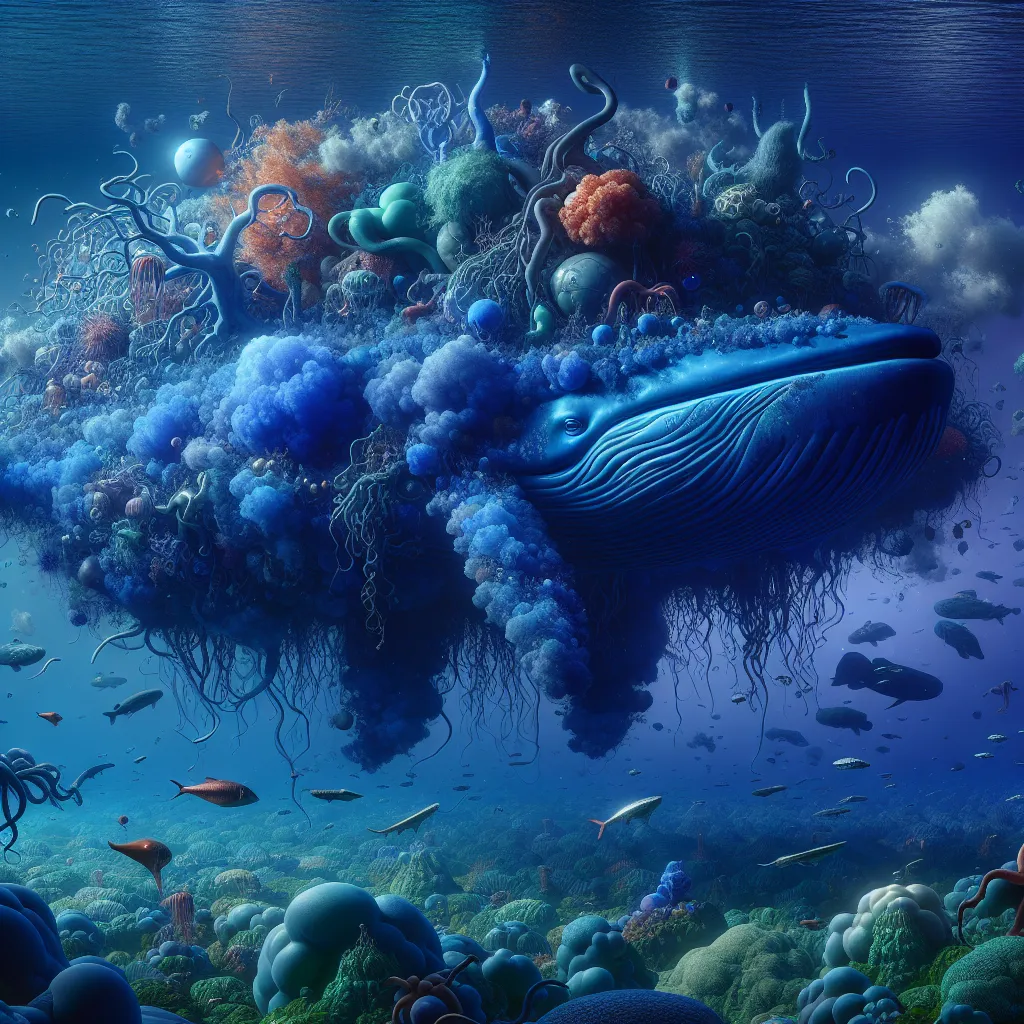
Oddly, all animals, regardless of size, face the risk of cellular mistakes. A mouse, which lives a shorter life and has fewer cells, should logically have fewer chances for these errors. Humans, with way more cells and a longer lifespan, surprisingly don’t have a higher cancer rate than mice. Even more baffling, gigantic blue whales, with trillions more cells, seem almost cancer-free. This puzzling phenomenon is called “Peto’s Paradox.”
Scientists have some theories to explain this. One clue lies in evolution. As animals grew larger over millions of years, those with better cancer defenses survived, while the rest didn’t. Large animals like elephants have extra copies of genes that suppress tumors, making their cells harder to corrupt. Though this might come at some cost—maybe slower healing or faster aging—researchers are still trying to figure that part out.
Another intriguing explanation involves hyper tumors, which are essentially tumors that develop within other tumors. Cancer cells are self-serving and constantly mutating. Sometimes, a sub-group within the tumor stops cooperating and starts stealing nutrients, starving the original tumor. This internal battle might keep overall tumor size in check, preventing them from becoming a significant problem in larger animals.
In bigger animals, tiny cancers might be common but go unnoticed because they don’t reach a problematic size. For instance, a blue whale might have countless small cancers that don’t impact its massive body.
While there are other potential explanations involving metabolic rates or cellular structures, we are still piecing it all together. Understanding why large animals are so resistant to cancer could pave the way for groundbreaking treatments and therapies. As science advances, our comprehension of cancer deepens, bringing hope that one day we might conquer this formidable foe.