5 Shocking Mysteries About Human Smell That Science Still Can't Explain Completely
Discover 5 fascinating mysteries of human smell - from detecting trillion scents to genetic differences in perception. Learn why odors trigger memories and emotions so powerfully. Explore scent science today.
Let’s take a walk through the curious world of the human sense of smell, a sense so fundamentally tied to memory and emotion that it often gets called the most “primitive” of all our senses. Yet, despite years of research, so much about how we process and experience smell remains unresolved. Did you know you and I might walk through the same blooming garden and come away with very different stories based on how our noses and brains interpret those fragrances? The five big mysteries I want to share aren’t just scientific puzzles—they change what we know about perception, identity, and even emotion.
Let me start with just how remarkable our noses actually are. The numbers alone are impressive—humans can detect over a trillion distinct scents. If you try to picture that, it’s like being able to pick out specific grains of sand on a beach by touch alone. Here’s what’s fascinating: we have about 400 types of olfactory receptors. Each one responds to sets of molecules, and the way these signals are mixed and interpreted in the brain results in unique smells. Yet, scientists still admit they can’t explain how such a comparatively small set of receptors can “code” for a trillion distinct odors. Is the answer in the shape of the scent molecules, their vibrations, or is there a missing ingredient we’re only beginning to see? There are classic theories about shape—molecules fitting into receptors like keys in locks. There’s also the controversial vibration theory, which suggests smell is determined by the way a molecule vibrates rather than by its look. Neither camp has fully solved the puzzle, and sometimes, molecules with wildly different structures smell the same, while similar molecules can smell strikingly different. Sometimes I wonder, is our nose reading an entirely different language than we think?
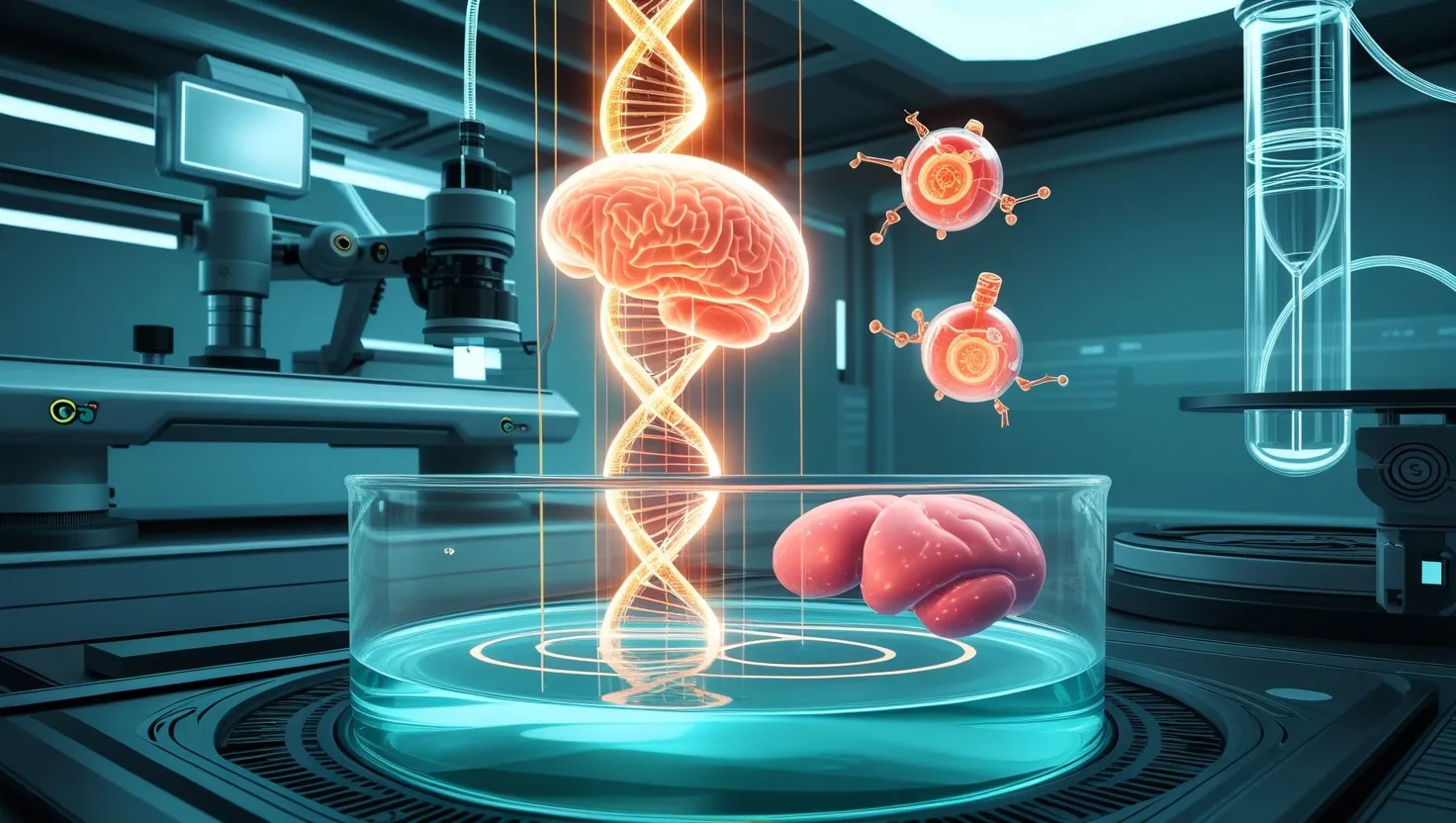
One key question often overlooked is whether everyone experiences the same scent in the same way. Spoiler: we do not. Genetic quirks mean that subtle differences in our DNA determine which scent receptors are active, which are duds, and which are hypersensitive. This partly explains strange quirks, like why cilantro tastes soapy for some or why others can’t stand certain perfumes. Entire cultures can share aversions or passions for particular smells, but these broad trends are undercut by the hundreds of little genetic variants each person carries. The reality is, smell is deeply personal. It shapes the foods we prefer, the perfumes we love, and the dislikes we can’t quite explain. If you’ve ever wrinkled your nose at a scent others love—or vice versa—science stands right alongside you, still trying to work out exactly why.
“Smell is a potent wizard that transports us across thousands of miles and all the years we have lived.” — Helen Keller
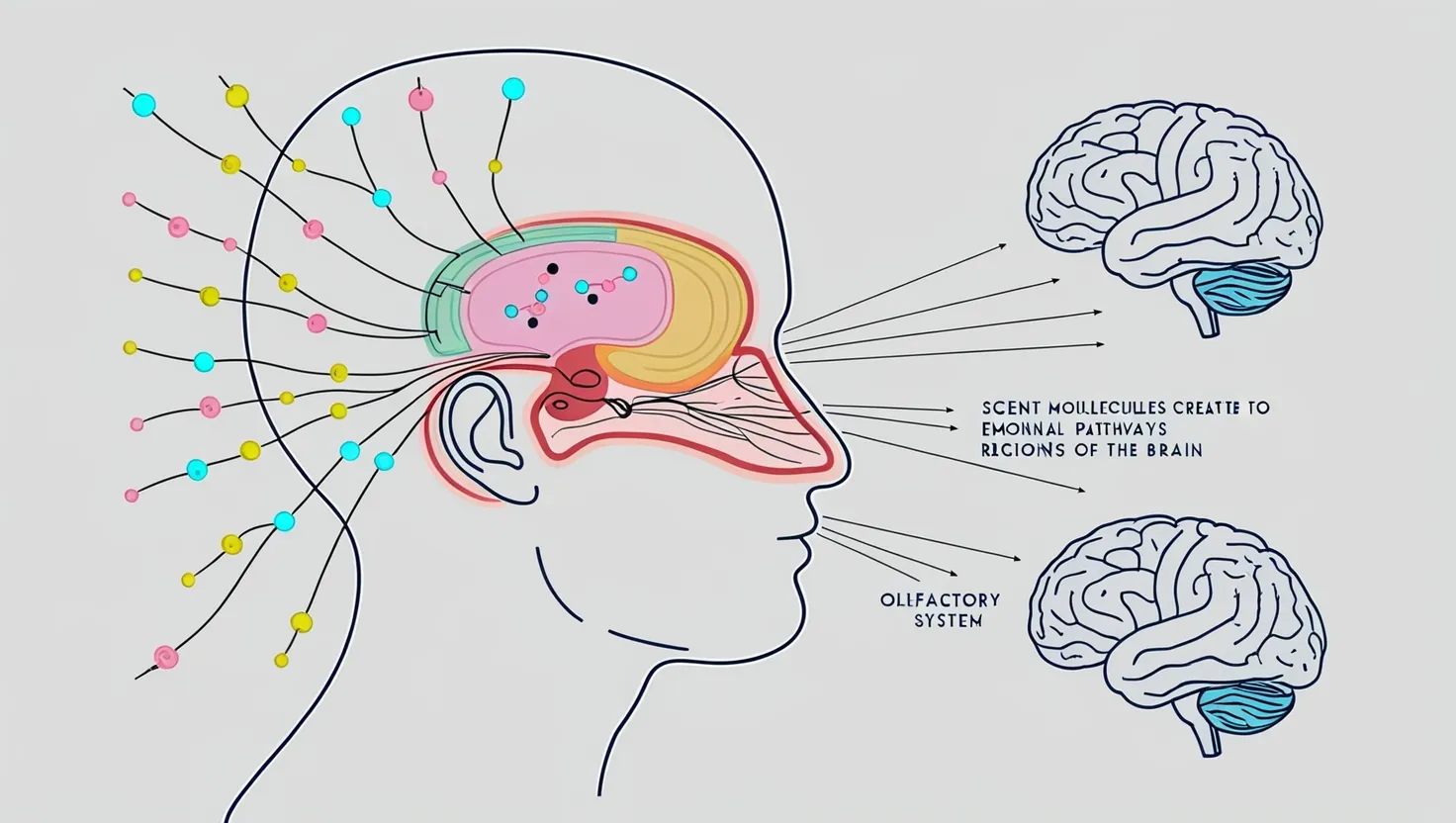
Have you ever had a scent instantly bring a memory rushing back, complete with emotion and detail? This is the third, perhaps most poetic, puzzle. More than any other sense, smell has a direct route to the brain’s limbic system, which governs both memory and emotion. The neuroscience is only partially mapped, but what’s known is that when you inhale a hint of rain or a childhood perfume, your brain creates a shortcut to moments and feelings you thought you’d forgotten. Why are emotions and memories so tightly fastened to scent? Researchers know that the olfactory bulb sits close to the memory center—the hippocampus—which may explain the vividness, but the precise neural trails remain a riddle. It’s almost as though smells are designed to be ghosts—memories reawakened with a single sniff.
Here’s where things get even more interesting: chemical communication. In the animal kingdom, pheromones are decisive cues—silent messages carried in scent, encoding everything from mating status to fear. But are there true human pheromones? The answer remains slippery. Scientists haven’t agreed on any one chemical that acts as a pheromone in the classical sense, and much of the research is clouded with myth and commercial promises. Yet, we all know situations where a person’s natural scent seems inexplicably attractive or off-putting. Could our choices still be guided by hidden chemical messages, even as we try to explain them away with logic? What do you think—are love and instinct quietly choreographed by molecules we can’t consciously sense?
“Nothing brings to life again a forgotten memory like fragrance.” — Christopher Poindexter
Let’s pause here and ask: have you ever temporarily lost your sense of smell, perhaps during a cold or allergy? For many, a condition called anosmia—total smell loss—arrives out of nowhere, and sometimes never leaves. This is the fifth great mystery. Smell loss can be triggered by infection, head injury, or simply occur with age, but for a surprising number, no cause can be pinpointed. The impact is greater than you might think. Without smell, food loses flavor, danger signals are missed, and the emotional texture of life flattens. Treatments are few and mostly ineffective, because we still do not really understand what goes wrong—are the receptors damaged, is it a wiring issue in the brain, or something else altogether? As we saw during the COVID-19 pandemic, smell loss can dramatically affect mental health, appetite, and daily safety.
To make this even more mysterious, not all cultures value or even describe smells the same way. Some communities have rich vocabularies and cautionary tales about scent, while others barely mention it except for the extremes. Language about smell is famously scarce compared to words for shapes and colors. This lack of terminology doesn’t necessarily mean our noses are less sensitive; rather, it reveals how subjective, and how underappreciated, this sense is. In fact, recent studies show humans aren’t poor smellers compared to animals—as was once assumed—but are actually quite sophisticated in scent detection, perhaps better than most of us realize.
“Odors have a power of persuasion stronger than that of words, appearances, emotions, or will.” — Patrick Süskind, Perfume
If there’s one takeaway from this journey through the nose, it’s that science still has blind spots where scent is concerned. Even with advances in genetics and neurology, we’re left making educated guesses, marveling at each new discovery, and asking ourselves more questions with every answer. Does every scent carry its own language? Are we constantly reading invisible messages written in the air? Could the future of medicine, memory, or even relationships be closely linked with the ways we understand (or fail to understand) the sense of smell?
So the next time you notice a familiar aroma or catch yourself reacting to a smell no one else seems to notice, remember you’re not just inhaling molecules—you’re entering a web of puzzles the brain is still working hard to solve. If scientists haven’t yet deciphered the code, maybe part of the magic—if you’ll allow the word—lies in the mystery itself. Would you want every scent demystified, or do you enjoy that a simple whiff can still take you somewhere unexpected?