6 Revolutionary Bioengineering Technologies Transforming Medicine
Discover 6 revolutionary bioengineering advances reshaping medicine. From CRISPR to nanorobots, explore how these innovations are transforming healthcare. Learn about the future of medical technology.
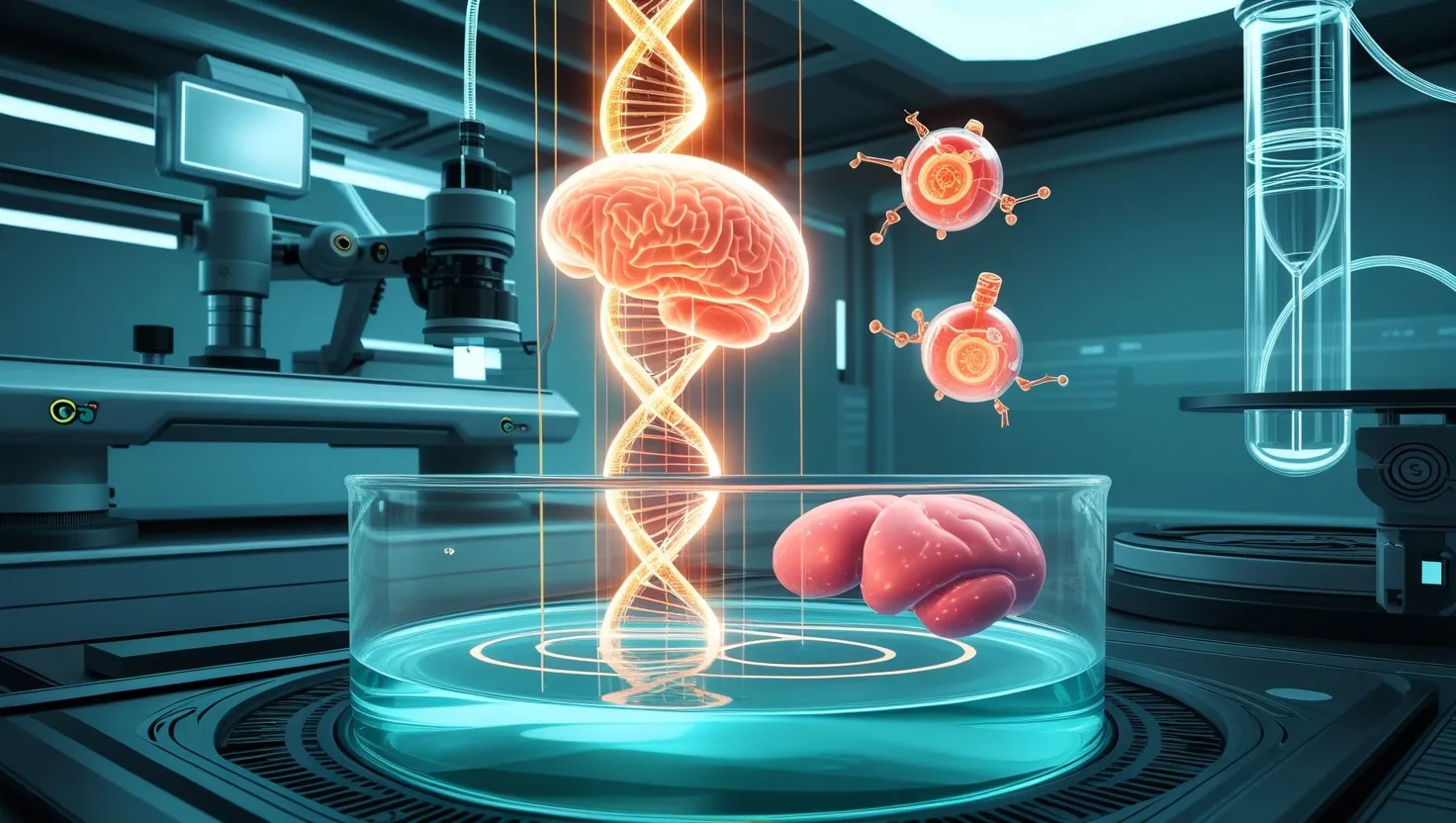
In the realm of medicine, the intersection of biology and engineering has given rise to some of the most revolutionary advances of our time. These innovations are not just incremental improvements but fundamental shifts in how we approach disease treatment, organ transplantation, and human health enhancement. Let’s delve into six of these groundbreaking bioengineering technologies that are reshaping the future of medicine.
CRISPR Gene Editing: A New Era in Disease Treatment
Imagine a world where genetic diseases are no longer a lifelong sentence. CRISPR, a highly precise gene editing tool, is making this vision a reality. By allowing scientists to edit DNA with unprecedented accuracy, CRISPR can change harmful DNA variants into healthy ones, potentially preventing or curing genetic diseases. The story of Victoria Gray, an American woman with sickle cell disease, is a testament to this technology’s promise. Doctors used CRISPR to edit her cells, and she has since reported significant improvement in her health.
Currently, researchers are focusing on diseases caused by single-gene variations, but the future holds the potential for treating more complex conditions involving multiple genes. However, the complexity of editing multiple genes simultaneously presents a significant challenge. Despite this, CRISPR has already shown its capability to transform the lives of individuals suffering from genetic disorders.
3D-Printed Organs: Addressing the Donor Shortage
The shortage of organ donors has long been a critical issue in transplantation medicine. 3D bioprinting is emerging as a game-changer in this field. By creating three-dimensional structures layer by layer, this technology can produce functional organs and tissues that could one day replace the need for donor organs.
The process involves using bioinks, which are mixtures of cells, biomaterials, and other components, to print complex structures such as kidneys, livers, and even hearts. While the technology is still in its early stages, it holds immense promise for solving the organ donor shortage and revolutionizing organ transplantation. Researchers are actively working on refining the printing techniques and ensuring the biocompatibility and functionality of the printed organs.
Nanorobots: Targeted Drug Delivery
Nanorobots, tiny machines at the nanoscale, are being designed to deliver drugs directly to the site of disease, reducing side effects and improving treatment efficacy. These microscopic robots can be programmed to seek out specific cells or tissues, release their payload, and then dissolve or be excreted from the body.
The precision of nanorobots could transform cancer treatment, for instance, by delivering chemotherapy directly to tumor cells while sparing healthy tissue. This targeted approach not only enhances the effectiveness of treatments but also minimizes the harm to the patient. However, the development of nanorobots is fraught with challenges, including ensuring their stability and safety within the human body.
Brain-Machine Interfaces: A New Frontier in Neurology
For individuals with severe neurological conditions such as stroke, spinal cord injuries, or neurodegenerative disorders, communication and interaction with the environment can be a daunting task. Brain-computer interfaces (BCIs) are changing this landscape by converting central nervous system signals into commands for external devices.
BCIs enable patients to communicate and interact using their brain signals, bypassing damaged or nonfunctional neural pathways. This technology is particularly crucial for those who are completely locked in, providing a lifeline where other methods fail. While BCIs offer profound benefits, including autonomy and an improved quality of life, they also raise ethical considerations regarding autonomy, consent, and the potential for dependence on technology.
Synthetic Biology: Creating Artificial Life Forms
Synthetic biology involves the design and construction of new biological systems or the redesign of existing ones to perform specific functions. This field is pushing the boundaries of what we consider “life” by creating artificial life forms that can perform tasks ranging from producing biofuels to cleaning environmental pollutants.
The potential applications of synthetic biology are vast, from developing novel therapeutics to creating sustainable solutions for energy and agriculture. However, this technology also raises significant ethical questions about the creation of life and the potential risks associated with these new biological entities.
Tissue Engineering: Regenerative Medicine
Tissue engineering is a field that combines principles from biology, chemistry, and engineering to develop functional substitutes for damaged or diseased tissues. This approach involves using scaffolds, cells, and growth factors to create tissues that can repair or replace damaged ones.
The goal of tissue engineering is to restore, maintain, or improve tissue function. For instance, researchers are working on developing artificial skin for burn victims and engineered heart tissue for patients with heart failure. This regenerative approach could revolutionize how we treat injuries and diseases, moving away from traditional methods of repair and towards a more holistic approach of regeneration.
The Ethical Landscape
As these bioengineering technologies advance, they bring with them a complex array of ethical considerations. From the potential misuse of CRISPR to the dependency on brain-machine interfaces, each technology raises questions about autonomy, consent, and the human condition.
For instance, the creation of artificial life forms through synthetic biology challenges our traditional understanding of life and raises questions about the responsibilities that come with creating new biological entities. Similarly, the use of 3D-printed organs and nanorobots necessitates a careful evaluation of their safety, efficacy, and long-term implications.
The Future Ahead
The future of medicine is being written in the labs and research centers where these bioengineering technologies are being developed. These innovations are not just tools but gateways to new possibilities in healthcare. They promise a future where genetic diseases are curable, organ transplantation is no longer limited by donor availability, and neurological disorders are manageable through advanced interfaces.
As we move forward, it is crucial to balance the excitement of these technological advancements with a thoughtful consideration of their ethical implications. By doing so, we can ensure that these revolutionary bioengineering advances benefit humanity while respecting the complexities and nuances of human life. The journey ahead is filled with promise and challenge, but one thing is clear: the future of medicine has never looked brighter.