What Secrets Lie Under the Hood of Dennis Jaworski's Timeless Truck Collection?
Turning Rust into Roads: Dennis Jaworski's Love Affair with Classic Trucks
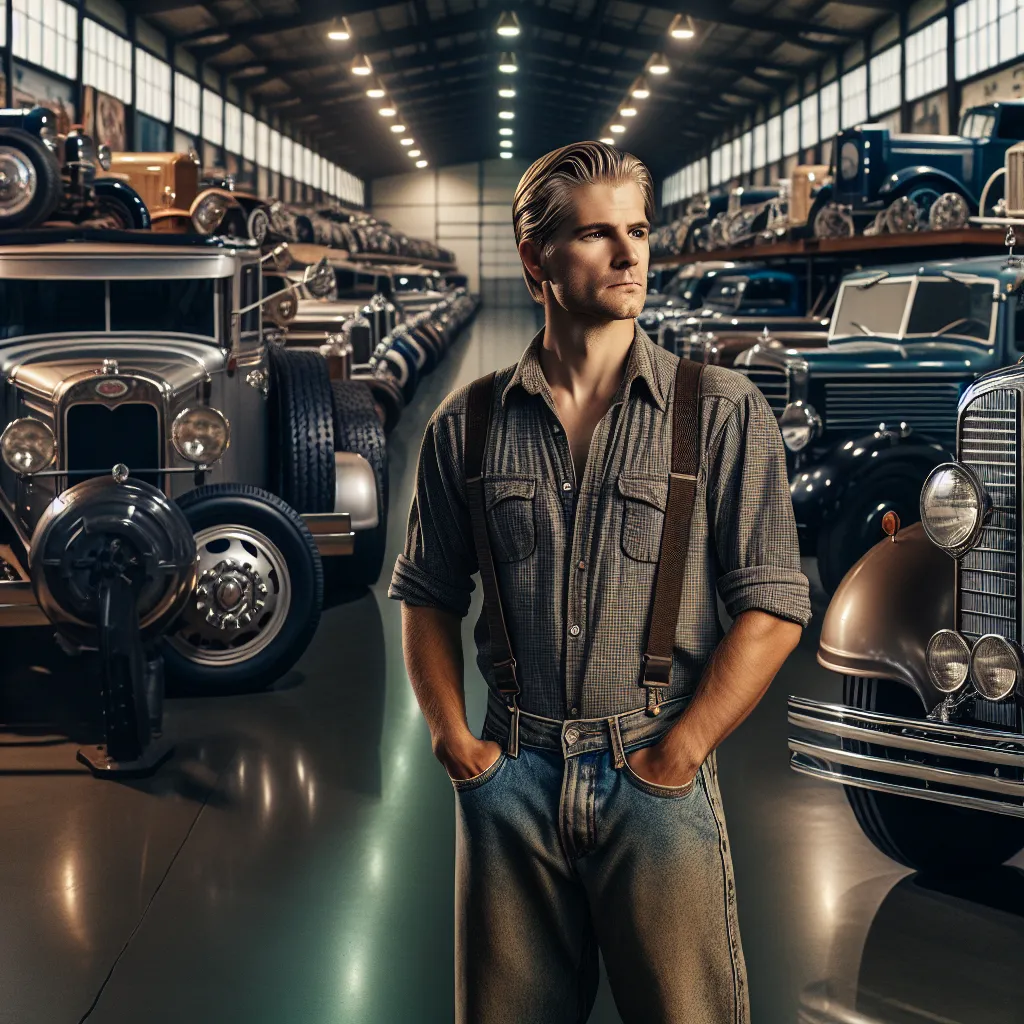
Dennis Jaworski is a dedicated trucker with a deep passion for the history of trucks. Over the years, he’s amassed an impressive collection of over 200 classic trucks, each one representing nearly a century of truck-building history.
As a young boy around 12 or 14, Dennis and his brother started collecting old cars. But by the early 60s, they noticed that old trucks weren’t getting much attention, so they decided to start collecting those instead. Trucking runs in Dennis’s blood; his family has been in the business for over two generations. His parents started the business back in 1930. A unique memory he holds dear is about his mom filling up a dump truck manually while his dad was busy with political engagements. Dennis recalls the awe he felt riding in that massive 36-foot dump truck for the first time, a moment when the world seemed to expand.
Since then, Dennis has dedicated much of his time to restoring old trucks, rescuing them from becoming heaps of rust. Restoring a truck is no small feat; some take up to a year to restore completely. Interestingly, he mentions that buying a restored truck is often cheaper than doing it yourself. When people tell him he must love old trucks, he corrects them, saying he loves his wife and children—but he likes old trucks.
Early trucks were mainly used for local deliveries within cities because they weren’t robust enough for rough country roads. The Daimler company in Germany built the first truck in 1896, and the American truck industry took off a few years later. It wasn’t until World War I that trucks really began to prove their worth. One highlight of Dennis’s collection is a 1917 Packard, the oldest truck he owns. This truck still has its original solid rubber tires; pneumatic tires, which offered a much smoother ride, were invented just a year later.
Dennis enjoys driving his 1953 LTL, a truck he’s restored to its original splendor. He mentions that it’s a West Coast truck, more luxurious than what they typically had on the East Coast, indicating a difference in tastes between the regions. However, his absolute favorite is a chain-drive Mac FK from 1932. Although chain-drive trucks with open cabs were going out of style at the time, Mac continued manufacturing them to meet the demands of die-hard New England contractors who weren’t ready to give them up.
Dennis reflects on the significance of these trucks, noting that while the common practice today is to dispose of old machinery, these trucks helped build America. Driving them down the road, he often marvels, realizing that the very truck he’s steering might have had a hand in building the road he’s traveling on.