Will Your French Alps Adventure Turn Into a Rescue Mission?
Navigating Life and Death Among the Peaks of the French Alps
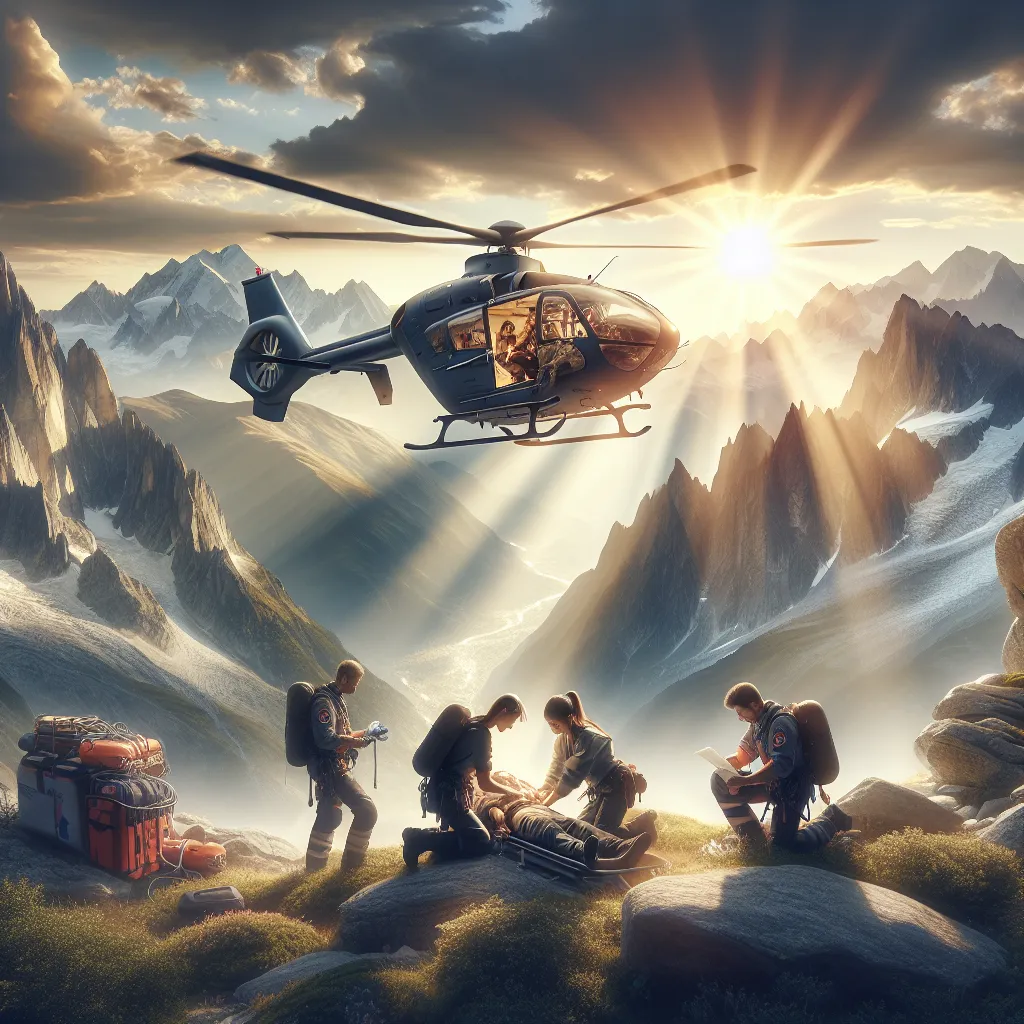
The French Alps, one of the world’s most spectacular mountain ranges, draw thousands of adventurers every year. From climbers and hikers to skiers and sightseers, everyone comes to relish the beauty of these majestic mountains. However, this picturesque landscape can turn perilous in the blink of an eye, making the French Mountain Rescue Team a crucial lifeline.
Take any summer day—sunny, beautiful, promising. As idyllic as it seems, it can swiftly morph into a day packed with emergencies. Early August is especially intense, as it’s the height of the climbing season. The day begins with the rescue team’s first call: a woman has hurt herself. When they find her, she’s conscious but has a deep thigh cut that impairs her ability to walk. Although it’s a relatively minor injury by mountain standards, she needs to be airlifted to safety.
Moments later, the team receives another call, this time to a much higher altitude where a middle-aged woman has broken her leg. Altitude sickness can confuse climbers, making the risks even greater. The woman’s condition is critical. She’s cold, in shock, and nearly delirious. Dr. Jerome Marioli from the Chamonix Hospital is quick to administer a painkiller, but knows that speed is of the essence to prevent her condition from deteriorating.
The day progresses with increasing intensity. By midday, the team rushes to help a hiker who is unconscious after a severe fall. It’s one of those critical moments where every second counts. Despite the rescue team’s rapid response and desperate attempts to revive her, the woman succumbs to her injuries. Tragedies like these are part of a rescuer’s harsh reality.
Climbing in the French Alps is an exhilarating adventure but fraught with risks. The Chamonix Mountain rescue team knows this too well, saving climbers and hikers from all corners of the globe. From seasoned mountaineers to inadequately prepared tourists who mistake an ice axe for kitchen cutlery, countless people find themselves in trouble each year.
One common day sees the team rescuing someone with a dislocated shoulder, another day it might be a trekked who slipped and broke an ankle. Events like these underscore the thin line between adventure and misadventure, especially in the ever-changing weather of the mountains.
One rescue involved a woman whose leg was severely injured—with a bone sticking out. Such injuries necessitate rapid medical evacuation, as field treatments are limited. Another team retrieves a man stranded high up at 9,000 feet. He’s cold and ill-prepared for an overnight stay, requiring immediate airlift to safety.
Throughout the year, the Chamonix Rescue Team responds to thousands of emergencies. They airlift hundreds with injuries ranging from broken limbs to heart attacks. Despite their efforts, some cannot be saved. Yet, without these dedicated rescuers and the emergency staff at Chamonix Hospital, the casualty numbers would be vastly higher.
In reflecting upon these relentless rescues, the bravery and skill of the French Mountain Rescue Team shine through. They are the unsung heroes consistently prepared to confront the perils of the French Alps, ensuring every adventure’s highs don’t end in tragic lows.