Is the Great Reset a Path to a Fairer World or Just a Conspiracy?
Reimagining Capitalism: The World Economic Forum’s Vision for a Sustainable and Fair Future
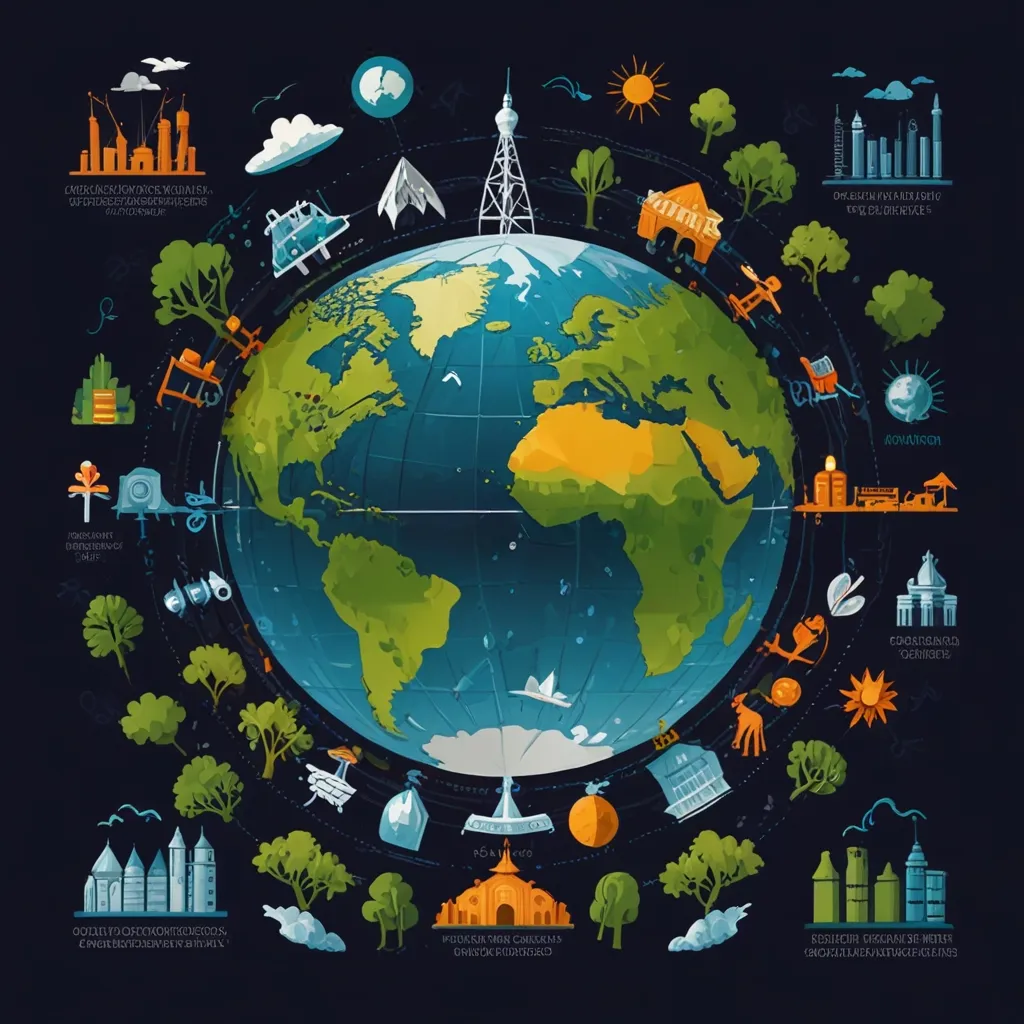
The Great Reset has been getting a lot of attention, especially since the COVID-19 pandemic hit. Launched by the World Economic Forum (WEF), this initiative aims to rethink and reshape the global economy and governance. But, naturally, it’s also become the target of various conspiracy theories suggesting that it’s some evil scheme by global elites to take over the world. So, what’s the real deal with the Great Reset?
The whole idea took shape because of the COVID-19 crisis. The WEF saw it as a chance to hit the reset button on the world economy. The goal? To build a more sustainable and fair world. This means moving away from the old-school capitalism where companies only care about making their shareholders rich. Instead, the focus is on “stakeholder capitalism.”
This isn’t a brand new concept. It’s been around since the 70s, with Klaus Schwab, the WEF’s founder, pushing for it for years. The idea is simple: businesses should benefit everyone, not just the people who own shares. Companies should create value for customers, employees, suppliers, and communities, not just the shareholders.
Part of the Great Reset involves “multi-stakeholder partnerships.” This means different groups like corporations, governments, and civil society need to work together. The idea is that collaboration can lead to decisions that benefit everyone. Some folks think this could give too much power to corporations and reduce the role of governments.
The WEF’s plan is pretty ambitious. They want to transform industries, cut down on fossil fuel subsidies, and tackle climate change. They’re aiming for new sustainable industries to make the world both prosperous and fair. But the plan is a bit vague on details, which opens the door to misunderstandings and skepticism.
And of course, the conspiracy theories have taken this vagueness and run with it. Some believe the Great Reset is a plot to create a global dictatorship. According to these theorists, the pandemic is just a cover for dismantling capitalism and forcing radical changes on society. These ideas have spread like wildfire online, often with help from public figures and social media.
Take Thierry Baudet in the Netherlands, for example. This right-wing leader has been a big supporter of the conspiracy theories, suggesting the pandemic is part of a “New World Order” plan. His social media posts have generated tons of engagement, highlighting how fast misinformation can spread.
But despite these wild theories, the Great Reset is for real, with actual goals. It’s about fixing the cracks in capitalism that the pandemic has revealed. It’s not some ploy for world domination or a way to control people with vaccines. The idea is to create a more sustainable and fair future.
And it’s not just about economics either. The Great Reset also looks at health and technology. The WEF thinks the pandemic is a wake-up call to prioritize people and the planet over profits. They believe innovations like artificial intelligence and biotechnology – part of what they call the Fourth Industrial Revolution – can help build a better world.
So, in a nutshell, the Great Reset is all about transforming the global economy and governance. It’s about shifting from old-school capitalism to stakeholder capitalism and setting up partnerships that benefit everyone. While conspiracy theories have muddied the waters, the real objective is to shape a more sustainable and equitable world. It’s ambitious and complicated, but it’s definitely not a nefarious plan to control the world.