Can Surviving Illness Actually Leave You Weaker Than Before?
Your Body: A Nation Under Siege, Redeemed by the Science of Vaccines
There’s a common saying that “what doesn’t kill you makes you stronger.” This idea suggests that surviving a disease somehow makes you better off. It seems logical because we’ve all faced hardships and come out more resilient. But sometimes, surviving an illness can actually leave you weaker. Let’s explore this.
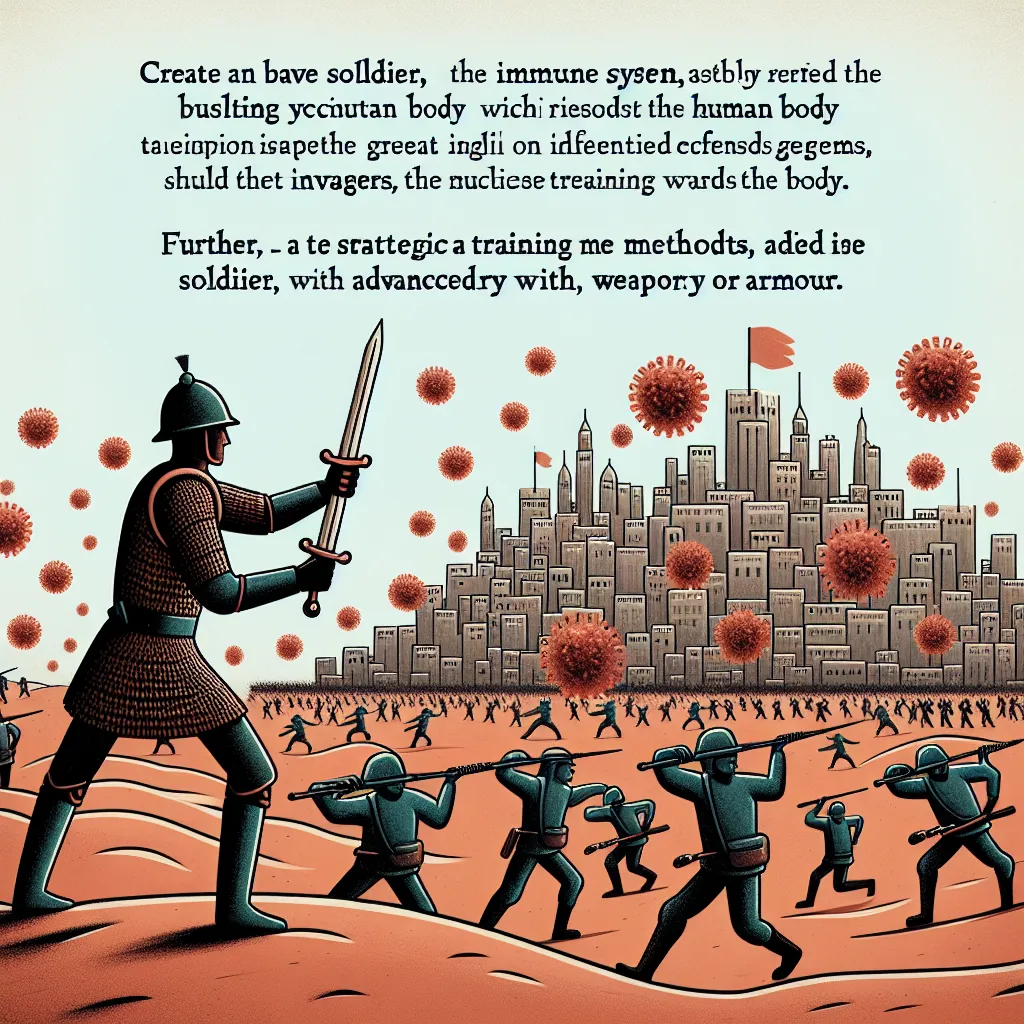
Imagine your body as a country with an army defending it. Enemies (like germs) are always at the borders, trying to invade. When your body detects danger, it releases proteins called cytokines. These act like alarms, mobilizing immune cells to fight off the invaders. Your body then shifts into a defensive mode, conserving energy, making you feel tired, anxious, and less hungry.
Your immune response is powerful but costly. It’s like a country going to war and needing massive resources to build weapons. Your body uses energy and crucial nutrients to produce cells and chemicals that fight infections. Fever speeds up metabolism to stress invaders but also consumes a lot of calories. To fuel this defense, your body might even break down its own muscles, which is more challenging to recover from if you are very young, old, or already weak.
Interestingly, your immune system can be a bit of a double-edged sword. While it fights the enemy, it can also cause damage to your own cells. Chemicals released by immune cells can create tiny wounds in organs, leading to scarring. Over time, repeated infections can reduce your organs’ functionality, leaving lasting but usually minor damage.
However, you can train your immune system to be better prepared. Vaccinations are a brilliant way of doing this. Vaccines mimic diseases, making your body ready for the real deal without causing severe damage. They help you build memory cells that can fend off actual infections more efficiently.
Think of training your immune system in two ways: the safe “vaccine dojo” versus the risky “natural dojo.” In the vaccine dojo, you practice with safe, mock weapons, getting minor side effects at most. In the natural dojo, you face real danger, with a risk of severe injury or even death. Vaccines provide immunity often better than natural resistance because they are designed to engage your immune system effectively.
While vaccines aren’t perfect, they are one of the best tools we have to strengthen our natural defenses. With ongoing scientific advancements, we may someday eradicate many diseases. Until then, taking care of yourself and getting vaccinated is the best strategy.
In conclusion, while facing and surviving illness can sometimes make you weaker, vaccinations offer a safer, smarter way to boost your immunity. It’s part of humanity’s continuous effort to combat disease and improve health.