Is Today's Pseudoscience Tomorrow's Breakthrough?
To the Misfits and Dreamers: Embrace Your Inner Kepler, Jobs, and Musk
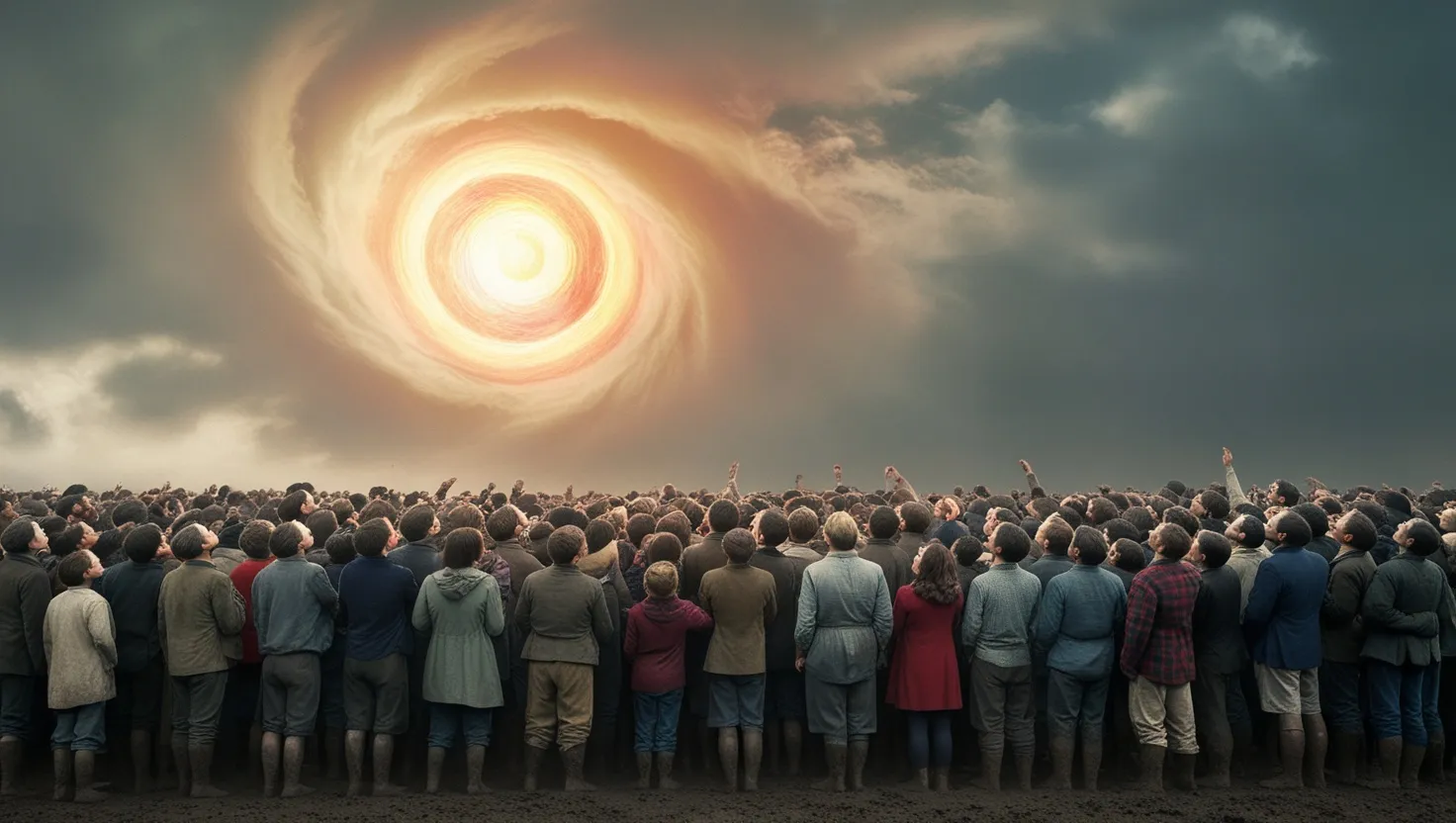
Challenging established scientific beliefs often gets labeled as pseudoscience. Isn’t that a bit arrogant? After all, pseudoscience could be real science that hasn’t been proven yet. Think about Kepler and Copernicus. They were mocked by their peers. Louis Pasteur’s work was dismissed by the medical community. Even Gregor Mendel and Nikola Tesla faced initial rejection. Imagine the backlash they’d face today with social media!
But that was long ago. You’d think we’ve grown since then. In 1903, the New York Times said manned flight was a far-off fantasy, to the tune of 1 to 10 million years. Oops. Jump to 1985, and they claimed no one would ever want a laptop, regardless of how cheap or powerful it became. Wrong again. When Apple revealed the iPhone, the Times said it would likely flop and no one would buy it. They even scoffed at Twitter, comparing it to firing up a CB radio and hearing someone recite the Iliad.
If you suggest levitating heavy objects with sound or creating free energy today, expect attacks—not just from social media but from mainstream outlets too. Isn’t it worth exploring new ideas? Did Steve Jobs or Elon Musk care about public opinion? Nope, they just went ahead and changed the world.
So, here’s my message: not to the media or social platforms—they thrive on conflict, making money while we attack each other. Instead, I speak to the blasphemers, the recluses building amazing things in their sheds, the nerds in garages tinkering with electronics because they believe in a better way. This is for the next Kepler, Jobs, or Musk. To the misfits, dreamers, and visionaries.
They will attack you. They will hate you. Ignore them. Keep dreaming, keep building, keep being a visionary. Trust me, the world needs you way more than another cynical article in the New York Times.