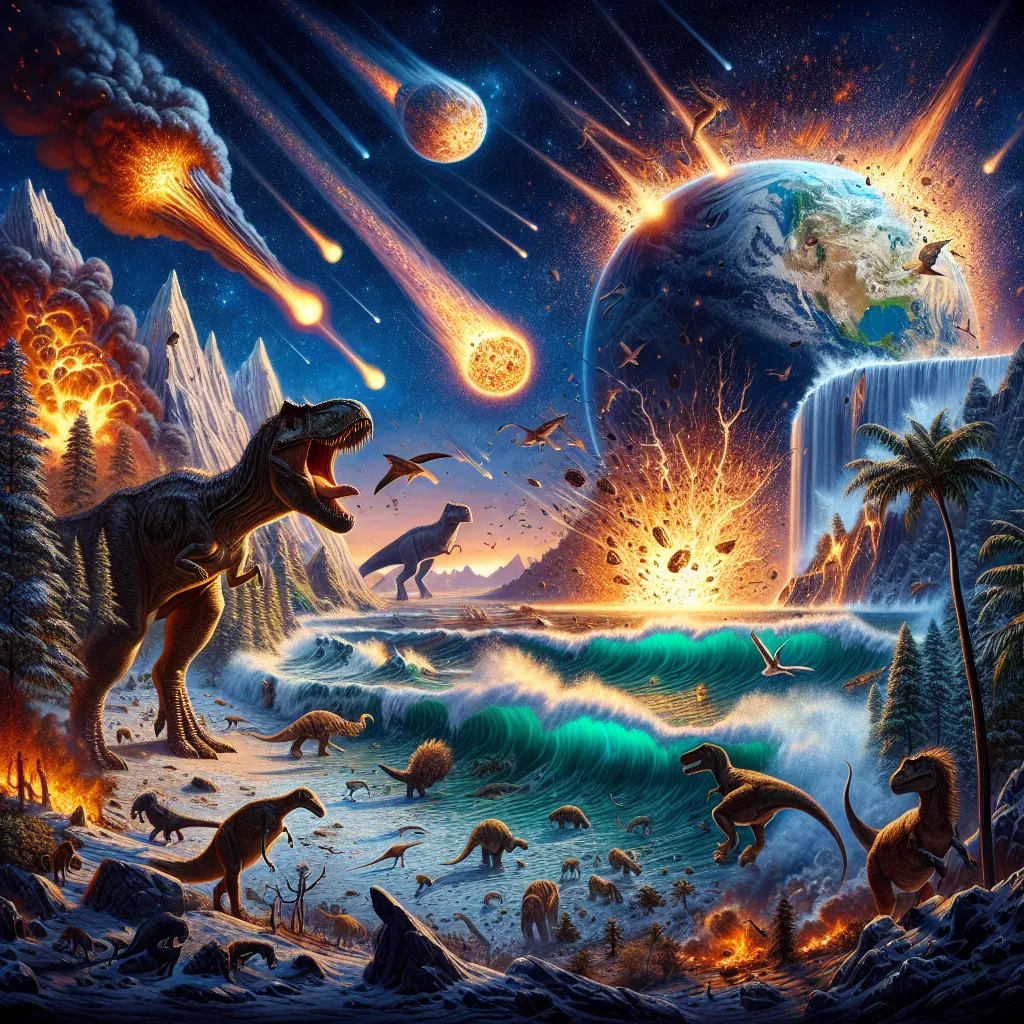
65 million years ago, an asteroid the size of Mount Everest crashed into Earth at an insane speed, wiping out 70 percent of species, including the dinosaurs. It’s a reminder that our planet can change drastically in an instant. The Mayans even predicted an apocalyptic end centuries ago.
Take the sensation of an orgasm, one of life’s intense pleasures. This woman isn’t seeking love or fun; she’s participating in a unique scientific study. Even the Bible, with roots stretching back thousands of years, continues to inspire and provoke controversy today. Its influence is undeniable.
Beneath our feet lies a world of chaos—a realm of explosions and colossal upheavals that formed the Earth as we know it. Ice sheets flattened vast landscapes, while tectonic plates thrust up entire mountain ranges. All that violent activity gave us the resources to build a world of power and bounty.
Explorers traverse demanding trails and mines, revealing the raw toughness required to extract materials like sulfur. The effort is grueling, yet it yields a glimpse into the planet’s fiery depths. Underwater cliffs and ancient calderas show us the scale of geological forces at play.
Our planet’s special traits are hidden in its ancient past. To understand them, we must travel back through time—battling dinosaurs, diving into prehistoric oceans, enduring global ice ages, and surviving cosmic impacts.
In the modern era, substances like marijuana have woven their way into societies, affecting minds and cultures deeply. The Sun, our powerhouse, has been glowing for 4.6 billion years, dwarfing Earth in size and importance. Revolutionary imaging techniques now let us witness the miracle of human births, from twins to quads.
Highclere Castle, famed for ‘Downton Abbey,’ has seen royalty and celebrities while holding hidden stories. Extreme homes worldwide push boundaries in design and lifestyle, capturing unique human creativity and ambition.
Weather and natural disasters remind us of nature’s fury. Massive storms and earthquakes can shift landmasses and disrupt lives dramatically. Scientists constantly seek answers to these epic events.
Steve Jobs revolutionized the way we interact with technology. His devices changed our lives without needing manuals, altering tech industry forever. We get a glimpse into his life, filled with creative brilliance and personal flaws.
Four and a half billion years ago, Earth collided with a Mars-sized planet named Thea, creating our Moon from the debris. This chaotic event is just one chapter in the grand story of our solar system’s history.