Could You Pilot a 16,000 Horsepower Marine Helicopter?
The Swift Intruders: Marine Helicopters of the Seas
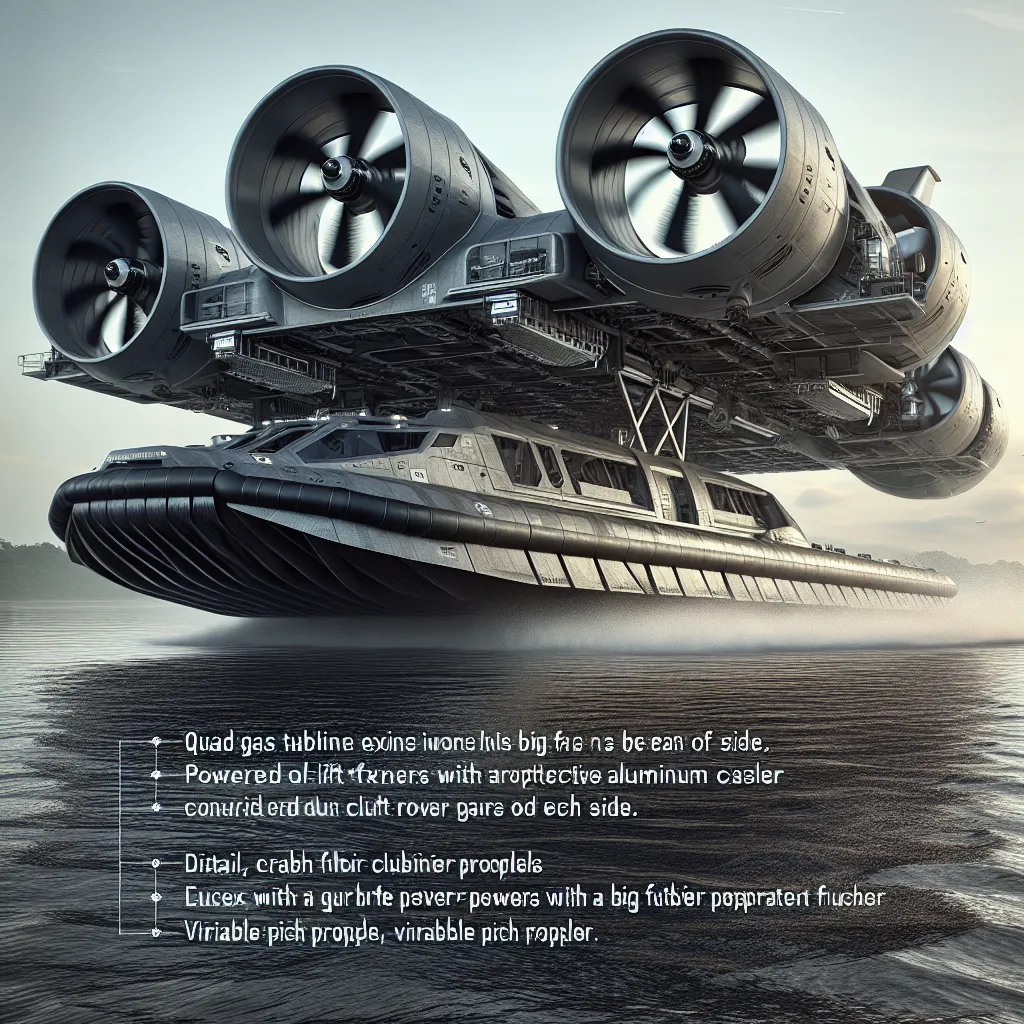
Let’s take a closer look at the extraordinary elk AK, also known as the Landing Craft Air Cushion. This isn’t your average watercraft. The British may have paved the way with their innovation, but we’ve taken it and sprinted well beyond. Each elk AK weighs a solid hundred tons and is powered by four gas turbine engines, netting a wild total of 16,000 horsepower.
The lift fan modules are the heart of the beast, with twin lift fans on either side that pump all the air needed for lift and some propulsion. The gearbox and hydraulic system work in concert, with the engines sitting perpendicular to the drivetrain. It’s a bit like a marine helicopter in that marine gas turbines demand clean fuel and air, so the filtration system is top-notch.
One of the standout features is its massive 18-foot carbon fiber prop, encased in an aluminum shroud. Behind it, two rudders and a variable pitch propeller work together to guide this giant. The technology leap from older landing crafts to today’s elk AK is nothing short of apples and oranges.
These crafts are crucial for transporting Marines and their gear between ships and shores, carrying up to 75 tons of equipment over 200 miles. With the motto “no Beach out of reach,” they live up to their name. Operating these marvels isn’t a walk in the park—it requires cutting-edge training on simulators that cost a whopping thirty million dollars. With fly-by-wire controls similar to an F-14 cockpit, trainees spend 18 intense weeks before getting hands-on experience.
Landing an elk AK on a ship is not an easy task and requires immense skill and nerves of steel. The Navy has committed big to this technology, commissioning 91 elk AKs split into two assault squadrons. The West Coast base, spanning 45 acres with 750 personnel, houses half of them. Each elk AK sets back the Navy a stunning 23 million dollars, with a total investment surpassing three billion dollars.
Unlike the past where only pilots got the glory, these days, enlisted personnel have a chance to captain one of these technological marvels. This shift elevates them from the low end of the totem pole to the forefront of cutting-edge tech. The reality of these hovercraft is loud and impressive, their sound reaching you only when they’re practically above you.
The squadron, aptly named the Swift Intruders, has a history of facing action in the Gulf War and Somalia, along with humanitarian missions like delivering aid in Bangladesh. While these hovercraft excel in combat, the challenge now lies in carving out roles for them during peacetime.