What Hidden Treasures Reveal Our Journey of Innovation?
Wandering Through Time: Unearthing Human Ingenuity in Every Artifact
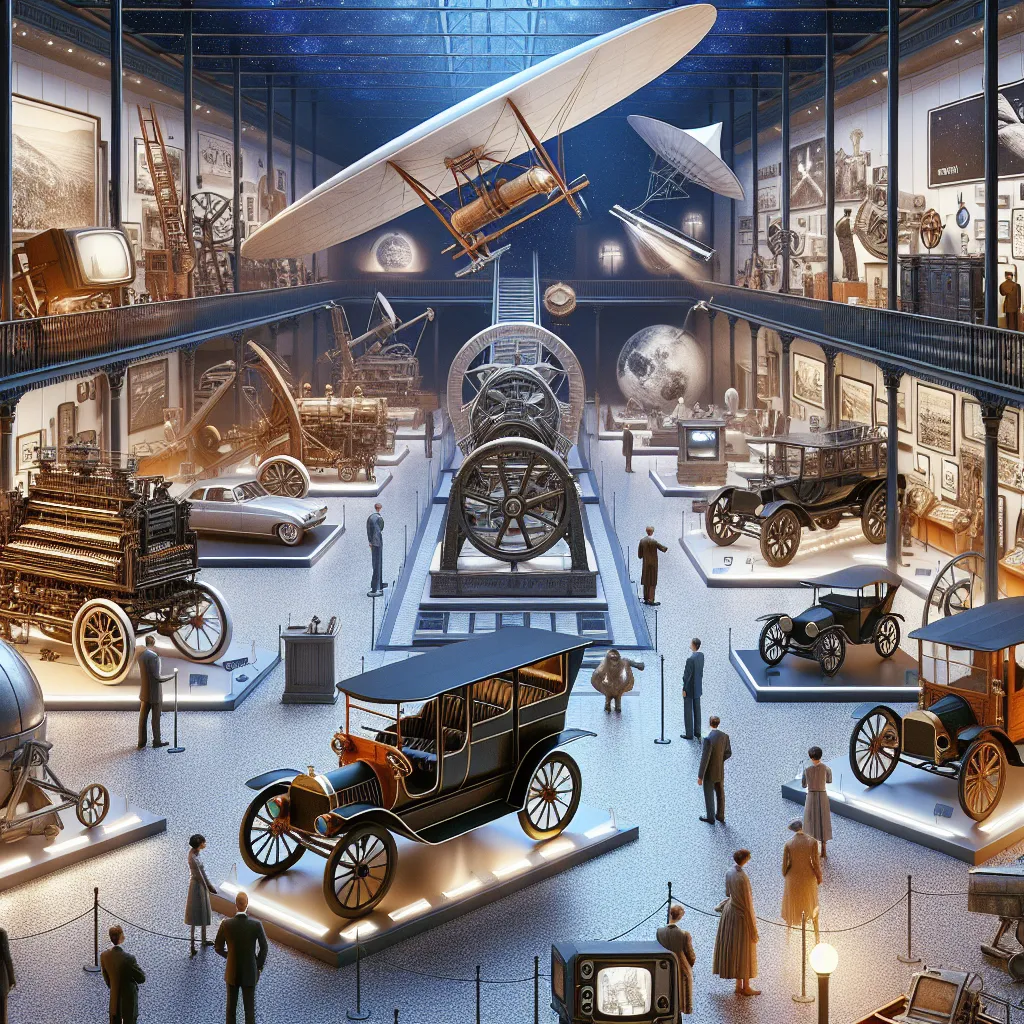
Walking through the vast hangars of the Science Museum is like stepping into a treasure chest of remarkable historical artifacts. From horse-drawn carriages like “The Growler” and vintage cars from 1903 to a school-built hydrofoil and the pioneering satellites that first entered our orbit, each item tells a story of innovation. One of the standout features is a massive 140-ton printing press that once churned out millions of editions of Britain’s newspapers. These artifacts aren’t just objects; they’re a testament to human ingenuity, chronicling the shared history we’ve all contributed to in one way or another.
Standing at the heart of transforming our global perspective is television. It’s a device so omnipresent and powerful that we often take it for granted. Yet, this revolutionary invention has brought the world into our living rooms, from Neil Armstrong’s historic moon landing to the first public TV image in 1926 by John Logie Baird. It’s incredible to think that an experiment with a mechanical device that scanned dark and light sections of an image could give birth to a medium that now offers over a thousand channels in the UK alone.
While the birth of television often overshadows other innovations, one cannot overlook the profound influence of the steam engine. This invention, birthed by the likes of Thomas Savery in 1698, has powered the world for over three centuries. From fueling the Industrial Revolution to generating 80% of the world’s electricity through steam turbines, steam engines signify a monumental leap in technological progress. Being inside a steam-powered water works facility that once pumped millions of liters daily—well into the 1960s—is akin to touching a piece of living history.
Then, there’s the undeniable impact of modern mobile phones. These gadgets, now outnumbering the human population, owe much to British minds that laid foundational technologies like the ARM processor from Cambridge. Today, these tiny marvels fit snugly in our pockets, acting as multi-functional tools that connect us globally, transform industries, and continue to evolve into even more futuristic versions.
Inside these archives, you’ll also encounter some of the earliest petrol cars and horse-drawn carriages, preserved to perfection using the latest techniques like freezing to eliminate pests. Just as fascinating is the world-changing potential of simple objects like the humble refrigerator. Initially helmed by a journo who noticed cooling effects with sulfuric ether, the fridge revolutionized food preservation, indirectly catalyzing significant social changes—like liberating women by freeing up their time from daily chores.
Antibiotics stand as another pillar of revolutionary advancements. Alexander Fleming’s accidental discovery of penicillin evolved into a global life-saving phenomenon thanks to the ingenuity at Oxford. These bacteria killers are credited with saving millions of lives and pushing medical science forward, even as we continue to innovate in the face of rising antibiotic resistance using promising sources like South American ants.
And let’s not forget concrete—a material so fundamental it’s often ignored. Yet, without the British invention of Portland Cement, the modern world as we know it—from skyscrapers to sewers—couldn’t exist. Touring a construction site of a super sewer in London crystalizes this; such massive infrastructure projects underline how integral concrete is to keeping modern civilization running smoothly.
Marrying the past with the present, these collections preserve remarkable and inspiring creations—each artifact a building block that tells the story of humanity’s relentless pursuit of progress. Whether it’s the whimsical, the practical, or the game-changing, each item tucked away in these archives keeps the spirit of innovation alive for generations to come.