Could a Food Revolution Replace Your Medicine Cabinet?
Revolutionary Food-Based Treatments Transform How We Approach Health and Well-being
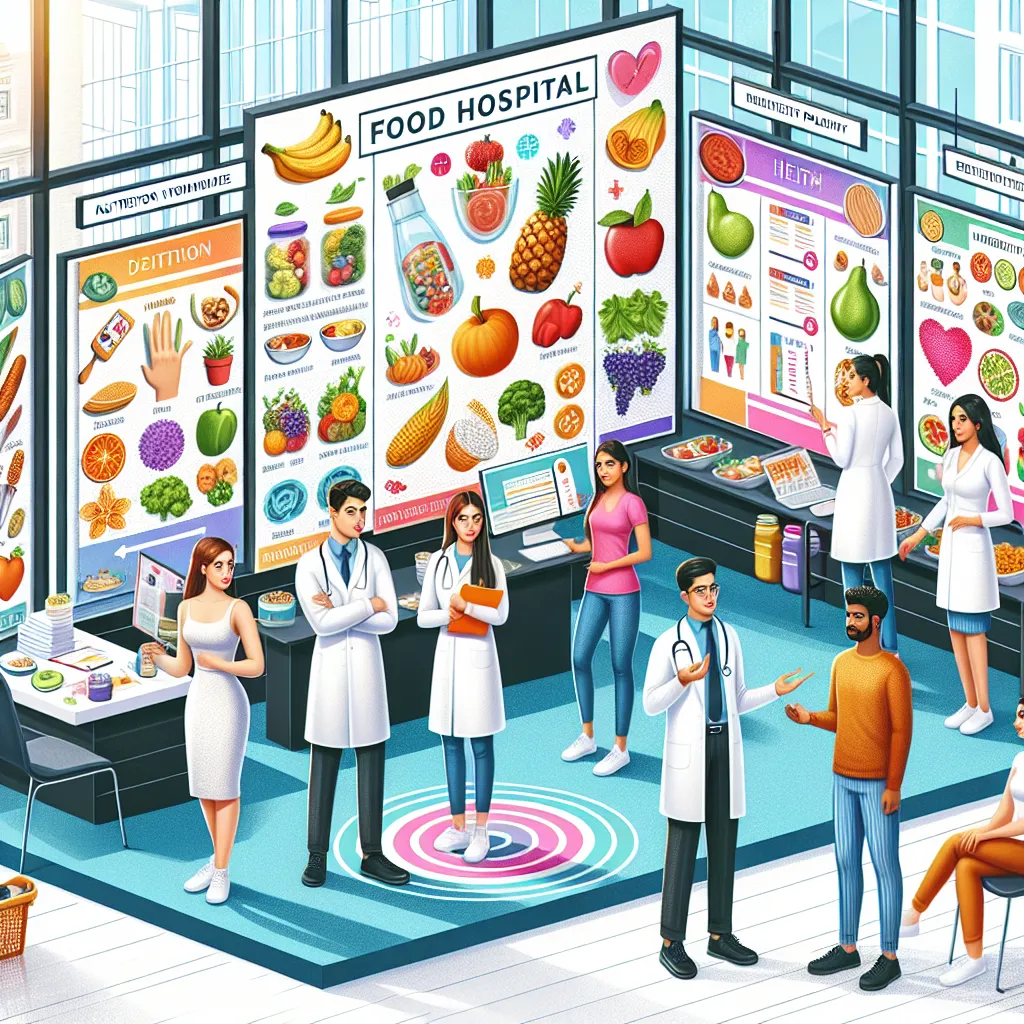
We live in a society that’s become overly dependent on quick medicinal fixes, often without questioning their necessity. Our health system spends billions on medications that might not always be essential. Enter the Food Hospital, a groundbreaking initiative dedicated solely to treating illnesses through food. Helmed by three seasoned medical professionals with over 40 years of NHS experience, this innovative approach looks promising.
They believe that dietary components can offer effective treatments for various ailments. While a typical GP consultation lasts about 10 minutes, the Food Hospital aims for a comprehensive approach by using diet as a primary treatment method. Treating conditions like diabetes, depression, acid reflux, and alopecia, they are at the forefront of the food as medicine revolution.
This week, the Food Hospital is assisting patients with diverse issues. Among them are a former soldier whose sleep disorder compels nocturnal eating, a couple seeking dietary guidance to conceive, and a 27-stone teenager desperate for a healthier life. Also, Dr. Pixie McKenna investigates the true benefits of sports drinks. Let’s dive into some of these unique cases.
Laura, a 22-year-old from Southampton, has been battling Crohn’s disease. Her condition triggers painful flare-ups each month, affecting everything from her mouth to her intestines. Despite her illness, Laura’s dream is to graduate with a modern dance degree. Her grueling training exacerbates her flare-ups, causing emotional and physical strain.
With no cure for Crohn’s, typical treatments involve steroids that come with severe side effects. Laura hopes consultant surgeon Shaw Summers can provide a dietary solution. Reducing steroid dependency through diet would be a significant achievement. Summers explains that Crohn’s involves an inflammatory reaction in the intestines, making nutrient absorption difficult and painful.
Through an MRI scan, Summers shows Laura how Crohn’s has altered her intestines. There’s hope, though. Dietitian Lucy Jones designs a three-step food treatment plan for Laura, starting with a liquid-only diet during flare-ups. These prescribed drinks contain essential nutrients but in an easily absorbable form. Over time, Laura transitions to a low-fat, fiber-limited diet, reintroducing foods gradually to identify triggers.
Similarly, the Food Hospital addresses the surge in sports drink consumption. These drinks, marketed with claims of boosting energy, are examined to see if they’re worth the hype. While suitable for endurance athletes, casual consumers may need to reconsider. Homemade versions could offer a more cost-effective alternative.
Frankie, an 18-year-old weighing 27 stone, faces life-threatening obesity. Advised to undergo gastric bypass surgery, she understands the drastic need for change. The operation, performed by Summers, involves creating a smaller stomach and a shorter digestive path to limit calorie absorption. Post-surgery, Frankie must adhere to strict dietary changes, including avoiding fizzy drinks and taking essential supplements.
Daniel, another patient, suffers from night eating syndrome, causing constant nocturnal snacking and related health issues. Using night vision cameras to monitor his habits, doctors discover Daniel eats high-calorie foods at night, leading to health complications. Dietitian Lucy Jones proposes a melatonin-friendly diet, emphasizing complex carbohydrates that offer sustained energy release to help him sleep better.
Overall, the Food Hospital’s unique approach demonstrates the potential of food in treating and managing various health conditions. By focusing on diet, this initiative aims not only to alleviate symptoms but also to improve patients’ overall quality of life. As these individuals continue their journeys, the transformative power of food becomes increasingly evident.